

Depression and addiction are two of the most widespread challenges affecting mental health in the United States, and they frequently overlap. In 2019, an estimated 280 million people worldwide experienced depression, and in the United States, millions of adults experience major depressive episodes each year. Depression and addiction often co-occur, though exact numbers vary depending on how mental illness is defined. For anyone facing these intertwined challenges, professional substance abuse treatment is a critical first step toward lasting recovery.
The relationship between these two conditions is complex, as each can exacerbate the other, leading to a cycle of worsening signs and distress. This guide explores how depressive disorders and substance use disorder overlap, the science behind the connection, and what the most effective approach to recovery looks like.
How Depression Affects Daily Life
Depression is far more than occasional sadness. It is a serious mood disorder that can disrupt nearly every aspect of a person’s life, from relationships and work performance to sleep patterns and physical well-being. People living with untreated depression often experience persistent feelings of hopelessness, low self-worth, and emotional numbness that interfere with daily life.
Research from the National Institute of Mental Health shows that depressive episodes can make it difficult to maintain responsibilities. The weight of these struggles may lead some individuals toward drugs and alcohol as a way to cope with emotional pain
Common Symptoms of Depression

Frequent indicators of depression include ongoing feelings of sadness, irritability, changes in appetite, loss of interest in activities, extreme exhaustion, and difficulty concentrating. To meet the diagnostic criteria established by the DSM-5, a person must experience at least 5 symptoms most of the day, nearly every day, for at least 2 weeks, and one of those symptoms must include depressed mood or loss of interest or pleasure.
Additional indicators may include sleep disturbances, negative thoughts, withdrawal from close relationships, and in severe cases, suicidal thoughts. Fatigue and disrupted rest cycles can make it difficult for individuals to carry out everyday tasks, compounding feelings of frustration and low self-worth.
Types of Depressive Disorders
Not all depression looks the same. There are several recognized depressive disorders, each with distinct characteristics. Understanding the differences helps healthcare providers develop more accurate care plans.
Major Depressive Disorder
Major depressive disorder (MDD) is characterized by a depressive episode lasting at least 2 weeks, with multiple symptoms such as low mood, loss of interest, suicidal thoughts, low energy, and sleep disturbances. Major depression is one of the most common mental disorders in the United States. The National Institute on Drug Abuse notes that individuals with MDD face an elevated risk of developing a substance use disorder.
Persistent Depressive Disorder
Persistent depressive disorder (PDD), also known as dysthymia, is marked by low moods and depressive signs that continue for 2 or more years. While less intense than MDD on any given day, its chronic nature erodes motivation and can increase vulnerability to drug abuse and alcohol misuse.
Seasonal Affective Disorder and Other Forms
Seasonal affective disorder is commonly used to describe depression with a seasonal pattern, often triggered by changes in light and temperature during specific times of the year.
Postpartum depression can affect up to 16% of women after giving birth, particularly those with a history of mood disorders or inadequate social support. Many women who experience this condition go undiagnosed. Bipolar disorder is a separate mood disorder that includes depressive episodes along with periods of elevated mood or energy, and it carries its own significant risk for co-occurring substance use challenges.
The Connection Between Depression and Substance Use
These conditions are deeply intertwined. Unresolved hardship, constant sadness, or severe depression can lead to the use of substances for temporary relief. Over time, this pattern of self-medication can develop into a full substance use disorder, creating a feedback loop where each condition worsens the other.
Research indicates that individuals with depression are at a higher risk of developing substance use disorders, and vice versa, creating a dual diagnosis scenario that requires coordinated care. Substance use disorders and mental illnesses frequently co-occur, though exact percentages vary depending on how mental illness is defined and measured. These overlapping mental disorders are more connected than many realize.
How Brain Chemistry Links Both Conditions
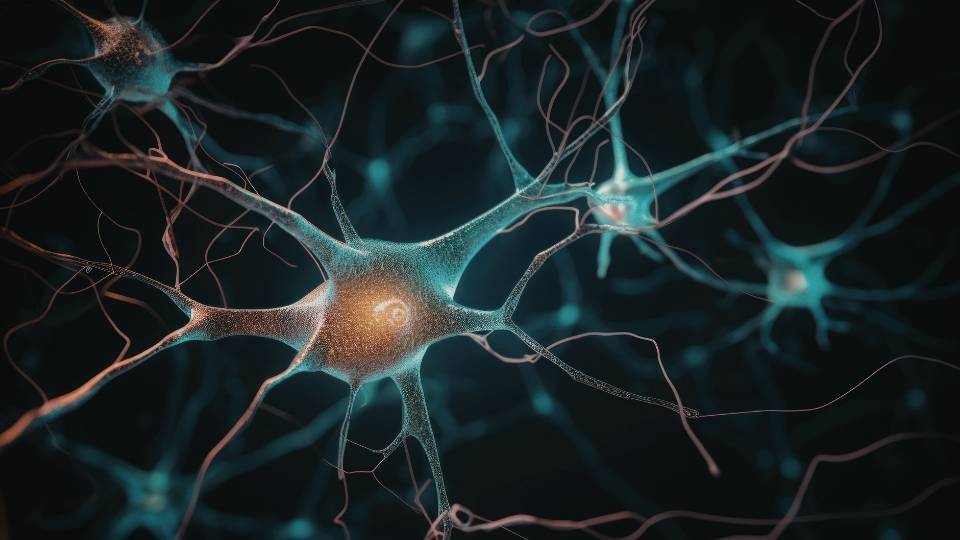
Depression and addiction both involve disruptions to brain chemistry. Chronic substance use can alter neurotransmitters such as dopamine and serotonin, the same systems involved in depressive disorders. These changes may worsen mood symptoms and make recovery more difficult.
Chemical changes caused by prolonged substance use can increase vulnerability to mental disorders. Genetic factors are estimated to account for roughly 40–60% of addiction risk, and some biological vulnerabilities may overlap with those seen in mood disorders. These shared brain pathways help explain why mental disorders and substance dependence so often overlap.
Why Addiction Depression Is So Common
Addiction depression, worsening depressive episodes associated with substance use, is extremely common. The stress of maintaining an addiction can lead to social isolation, job loss, financial trouble, and damaged relationships, which are major risk factors for major depressive disorder.
Chemical intoxication from substance use can exacerbate depressive episodes, increasing the frequency and intensity of harmful thinking patterns and self-destructive behavior. The pharmacological effects of certain substances, particularly depressants like alcohol and opioids, can directly worsen mood disturbances. Both addiction and depression can increase suicide risk, especially when they occur together, which is why proper treatment is essential.
Co-Occurring Disorders: When Mental Disorders and Addiction Collide
When depression and a substance use disorder occur together, they are known as co-occurring disorders, or dual diagnosis. These conditions reinforce each other, and addressing only one can make recovery more difficult. Both depression and substance use should be part of any effective recovery strategy.
Substance use can mask underlying mental health conditions, complicating and delaying diagnosis. Accurate diagnosis is crucial for dual diagnosis cases, as signs may overlap. Healthcare providers should use comprehensive assessment tools to develop an effective treatment plan that addresses the full clinical picture.
Co-Occurring Substance Use and Major Depression
Co-occurring substance use and depression is one of the most frequently seen dual diagnosis combinations. Federal mental health and addiction agencies emphasize that untreated mental disorders can increase vulnerability to substance misuse.
Common triggers for these conditions include genetic vulnerabilities, chronic pressure, environmental factors, and past hardship. A family history of mental illness or substance use disorder can place young adults and young people at higher risk of developing either or both conditions.
Bipolar Disorder and Substance Use
People with bipolar disorder experience dramatic shifts in mood, energy, and activity levels. During low periods, individuals may turn to drugs or alcohol to cope, while during manic phases, impulsivity can lead to increased drug use.
The National Institute of Mental Health reports that bipolar disorder frequently co-occurs with substance use disorder. Treatment models recommend addressing both conditions simultaneously for stable, long-term recovery.
The Impact of Depression on Recovery
Depression can be a significant barrier to successful recovery. When someone is battling severe fatigue, hopelessness, and a lack of motivation, engaging fully in a program becomes difficult. Withdrawal symptoms, including disrupted rest, irritability, and intense cravings, can overlap with and amplify depressive signs, making early recovery especially challenging.
A person’s mental health directly influences their ability to maintain sobriety. Without proper attention to depressive symptoms alongside a substance use disorder, the risk of relapse remains high. This is why a comprehensive plan involves addressing mental health and addiction together.
The Role of Trauma and Environmental Factors
Harmful past experiences are among the most common threads linking depressive conditions and substance-related challenges. Environmental factors such as poverty, community violence, and lack of access to mental health services also contribute to dual diagnosis.
Addressing trauma through evidence-based approaches is a cornerstone of effective dual diagnosis care. Programs that incorporate trauma-informed individual sessions help individuals process painful experiences in a safe, structured environment.
Treatment Options for Dual Diagnosis
The most effective approach to treating co-occurring disorders involves integrated care, where both conditions are treated simultaneously by a multidisciplinary team. This means mental health care and addiction support happen in coordination rather than being handled by separate providers.
A typical treatment plan for dual diagnosis often includes a combination of individual therapy, group work, and sometimes 12-Step programming to provide a stable support network and address symptoms on multiple levels. At Bright Paths Recovery, addiction treatment plans are tailored to each person’s unique needs, ensuring that all relevant conditions are addressed from day one.
Cognitive Behavioral Approaches
Cognitive behavioral therapy (CBT) is one of the most widely researched approaches for addressing depressive symptoms and substance-related conditions. CBT helps individuals identify and challenge negative thoughts and behavioral patterns. Understanding how CBT works can help family members feel more confident about recovery.
Motivational interviewing is another evidence-based therapy method that builds internal motivation for change. Different types of approaches for recovery offer multiple pathways to healing.
A combination of psychotherapy and appropriate medication may help reduce depressive symptoms, while substance use treatment may also include medication-assisted treatment when appropriate.
Medication Assisted Treatment
Medication-assisted treatment (MAT) plays an important role when treating substance use disorders alongside depression. For individuals with opioid use disorder, medications such as buprenorphine can reduce withdrawal symptoms and cravings, while medications like naltrexone may help reduce relapse risk in opioid or alcohol use disorder. Leading approaches for opioid use disorder provide a helpful overview.
Antidepressant medications may also be prescribed to help stabilize mood and reduce depressive signs. Exploring different treatment options and understanding the difference between CBT and DBT can help individuals work more effectively with their care team.
Coordinated Recovery for Both Conditions
Key approaches for treating dual diagnosis include behavioral methods, medication-assisted support, and group programs.
Choosing what to look for in a dual diagnosis center can help guide this important decision. Learning whether insurance covers dual diagnosis rehab removes a common barrier to seeking help.
| Aspect | Depression Only | Addiction Only | Dual Diagnosis |
|---|---|---|---|
| Primary Signs | Persistent sadness, fatigue, loss of interest | Cravings, compulsive use | Both depressive and substance-related indicators |
| Recommended Care | Counseling, antidepressants | Detox, behavioral therapy, MAT | Integrated treatment for both |
| Risk if Untreated | Worsening mood | Physical decline | Compounding symptoms and relapse risk |
| Duration | Varies | 30–90+ days | Often longer, more complex |
| Recovery Support | Therapy, lifestyle changes | Peer support, aftercare | Combined aftercare planning |
Supporting a Loved One Through Recovery
Watching a loved one struggle can be overwhelming. Learning about dual diagnosis and understanding the process can make a meaningful difference.
- Educate yourself about types of substance use disorders to be a more informed advocate.
- Attend family sessions when possible to improve communication and rebuild trust.
- Encourage your loved one to stay engaged with their plan and aftercare.
- Avoid enabling behaviors such as covering up substance use or minimizing severity.
- Take care of your own well-being by seeking peer support or individual counseling.
Supporting a loved one through recovery involves patience, boundaries, and compassion.
Building a Path Forward
Recovery from these co-existing conditions is achievable with the right support. The first step often involves a medically supervised detox program to safely manage the initial phase before transitioning into comprehensive support.
Factors that support recovery include:
- Receiving an accurate dual diagnosis through a comprehensive assessment
- Engaging in both individual and group sessions consistently
- Building healthy coping strategies to replace substance use
- Developing strong social connections through community and mental wellness
- Following through with a personalized aftercare plan
Understanding the stages of recovery can set realistic expectations and provide encouragement during challenging moments.
FAQs About Depression and Addiction
Can Depression Lead to Substance Use Disorder?
Yes. Individuals may turn to substances to cope, which can increase risk over time. Research from the National Institute on Drug Abuse confirms that individuals with depression face an elevated risk for co-occurring substance challenges.
What Are the Best Approaches for Co-Occurring Depression and Addiction?
Integrated care that treats both conditions simultaneously is considered most effective. Learning about personalized care benefits can help individuals understand what tailored recovery looks like.
How Do I Know If I Have a Dual Diagnosis?
A licensed provider can assess symptoms and determine whether both conditions are present. Reaching out to a center that specializes in dual diagnosis is an important first step.
Take the First Step Toward Healing
If you or someone close to you is struggling with depression alongside substance use, know that recovery is within reach. With coordinated care, evidence-based approaches, and compassionate support, it is possible to break the cycle and build a healthier, more fulfilling life. Explore your options at Bright Paths Recovery today.