
Medically Supervised Detox Program
Medical Detox Los Angeles, CA
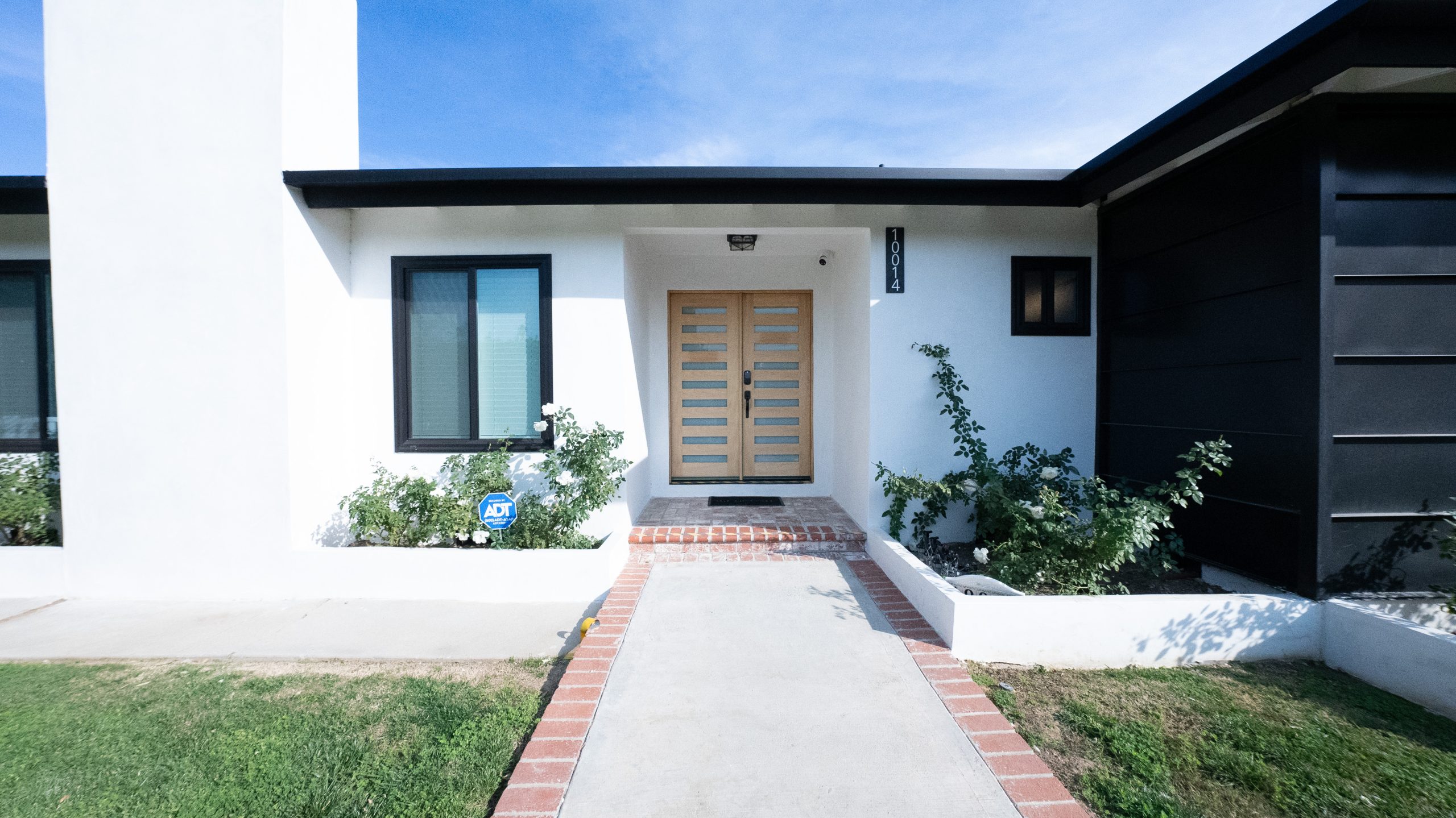
Bright Paths Recovery provides medically supervised alcohol and drug detox in Los Angeles, CA, in a private 12-bed home in Northridge, in the San Fernando Valley. Our detox center offers 24/7 medical oversight, same-day admissions, and a direct path into inpatient drug rehab with the same team, so you or your loved one can get through withdrawal safely and start recovery with comfort and dignity.
Medical detox is the first step in addiction treatment: the process of clearing alcohol or drugs from the body while a medical team manages withdrawal symptoms and keeps you stable. At our drug detox center in Los Angeles, our experienced medical team supports clients withdrawing from alcohol, opioids like fentanyl and heroin, benzodiazepines like Xanax, and stimulants like cocaine and meth, then guides each person into the next phase of care with an individualized treatment plan.
- 24-hour medical supervision during withdrawal
- Detox from alcohol, opioids, benzodiazepines, and stimulants
- A comfortable, private inpatient detox center in Los Angeles
- Seamless transition into residential addiction treatment
Our detox Los Angeles families rely on is private, confidential, and medically supervised 24/7. Verify your insurance in one short call.




12-Bed
Private Home
24/7
Medical Oversight
Same-Day
Admissions
Detox Safety and Medical Care
Why Is Medical Alcohol & Drug Detox Necessary Before Addiction Treatment?
Withdrawal from drugs or alcohol places real stress on the body and the mind. Symptoms range from anxiety, sweating, and nausea to seizures, dangerously high blood pressure, and delirium tremens, depending on the substance and how long it was used. Alcohol and benzodiazepine withdrawal in particular can be life-threatening without medical care, which is why the Substance Abuse and Mental Health Services Administration (SAMHSA) recommends medically supervised detox for people with significant alcohol or sedative dependence (SAMHSA, TIP 45: Detoxification and Substance Abuse Treatment).
Detoxification gives your body a safe place to stabilize while a physician and nursing team monitor vital signs, manage symptoms, and step in the moment something changes. At Bright Paths Recovery, detoxification is not a holding room before treatment. It is the first week of treatment, in the same home where residential care happens, with the same team who will know your story from day one.
Why Drug and Alcohol Detox Is an Important First Step
- Withdrawal can become dangerous without medical supervision
- Short-term, physician-directed medication can ease severe symptoms and lower the risk of complications
- 24-hour monitoring keeps you medically stable through the hardest days
- Clinical and emotional support turns a frightening process into a manageable one
- Detoxification prepares you for residential drug rehab, where lasting recovery is built

Clinical Leadership
Medical Detox Los Angeles Families Trust: Our Clinical Leadership
Safe detoxification requires careful clinical oversight. Our medical detox Los Angeles program is directed by experienced medical professionals who monitor withdrawal around the clock, manage medications when they are needed, and guide each client through the earliest and most vulnerable stage of recovery. Our medical philosophy is simple: we use medication for a short, supervised period to get you safely through withdrawal, and our goal is to get you off medication and back into your life, not to build a new dependence.
Our detox program is led by Dr. Adnan Khoury, M.D., MS, Medical Director of Bright Paths Recovery. Dr. Khoury is a dual-trained physician in Internal Medicine and Psychiatry with more than 40 years of experience in medical, substance use disorder, and behavioral health treatment. He completed advanced training in Sleep Medicine at Stanford University under Dr. William C. Dement, a pioneer in sleep research, which shapes how we help clients improve sleep during and after withdrawal. Dr. Khoury provides physician oversight across our detox and residential programs and remains actively involved in client evaluation, medication management, and treatment planning. Our clinical team also includes a psychiatrist, so co-occurring mental health disorders like depression, anxiety, and bipolar disorder are assessed and addressed from the start, not weeks later.
- Dual-trained physician in Internal Medicine and Psychiatry
- Over 40 years of clinical experience in behavioral health treatment
- Advanced Sleep Medicine training at Stanford University
- Physician oversight of both detox and residential inpatient treatment
- Active involvement in client evaluation and treatment planning
Which Substances Do We Detox From in Los Angeles?
Different substances affect the body in different ways, so symptoms, timelines, and medical risks vary significantly depending on the drug involved. Our medical team evaluates each client’s history of use, medical history, mental health, and withdrawal risk to build a personalized care plan around the unique challenges of that substance before anything else happens.
Explore our substance-specific drug detox and alcohol detox programs below. Each page explains what withdrawal from that substance looks like, how long it lasts, and how our medical team manages it.

Alcohol Detox
Alcohol withdrawal can be dangerous without medical supervision, which is why alcohol detox is the most common reason people search for treatment centers in Los Angeles. Symptoms may include anxiety, tremors, nausea, and in severe cases seizures or delirium tremens. Our medically supervised alcohol detox in Los Angeles manages these symptoms safely while stabilizing the body for the next stage of treatment.

Fentanyl Detox
Fentanyl is far more potent than other opioids, and withdrawal is often more intense and unpredictable. Our fentanyl detox program manages severe cravings, pain, and physical symptoms with 24/7 medical care and a physician-directed plan.

Opiate Detox
Withdrawal from prescription painkillers like oxycodone and hydrocodone causes muscle aches, nausea, sweating, insomnia, and strong cravings. Our opiate detox program eases these symptoms and supports a safer transition into ongoing treatment.

Heroin Detox
Heroin withdrawal is rarely life-threatening on its own but is intensely uncomfortable, and the risk of relapse and overdose after detox is high. Our heroin detox program keeps you comfortable and connects you directly into residential care.

Benzodiazepine Detox
Benzodiazepines such as Xanax, Ativan, Valium, and Klonopin require a gradual, physician-directed taper. Stopping suddenly can cause seizures. Our benzo detox program in Los Angeles allows for slow stabilization that reduces the risk of complications.

Xanax Detox
Xanax is short-acting, which means withdrawal can begin within hours and feel severe. Our Xanax detox program manages rebound anxiety, insomnia, and physical symptoms with medical supervision and a careful taper.

Cocaine Detox
Cocaine withdrawal is more psychological than physical, with fatigue, depression, and strong cravings. Our cocaine detox program provides monitoring, rest, nutrition, and clinical support while you prepare for residential treatment.

Meth Detox
Methamphetamine withdrawal brings exhaustion, depression, sleep disruption, and intense cravings that can last weeks. Our meth detox program stabilizes mood and sleep and gives you a safe, structured place to begin healing.
Under One Roof
Drug and Alcohol Addiction Treatment Under One Roof
Most treatment centers in Los Angeles do one of two things: they detox you and discharge you to find a rehab on your own, or they run a large facility where detox is one department and residential treatment is another. Bright Paths Recovery does neither. Drug and alcohol detox and residential drug rehab happen in the same 12-bed home in Northridge, with the same physician, psychiatrist, therapists, and support staff from your first day to your last.
That continuity matters. The people who watched you through your hardest 72 hours are the same people helping you understand why you drank or used, what triggers you, and how to overcome addiction for good. Nothing gets lost in a transfer, and nobody has to hear your story twice. That is what specialized care looks like in a small home instead of a large facility: personalized care from people who know your name.
Alcohol Rehab and Alcohol Addiction Care After Detox
Alcoholism is the most common reason clients come to our detox center, and alcohol addiction is where the risk of a medically dangerous withdrawal is highest. Our alcohol rehab program begins the moment detoxification is complete, combining evidence based treatments with family support, compassionate support, relapse prevention, and a daily structure that rebuilds your life without alcohol at the center of it.
Dual Diagnosis Treatment for Co-Occurring Disorders
Roughly half of people with a substance use disorder also live with a mental health condition (National Institute on Drug Abuse), and a substance use disorder that goes untreated alongside depression or anxiety tends to return. Our dual diagnosis treatment addresses depression, anxiety, PTSD, and bipolar disorder alongside the substance use, with a psychiatrist on our clinical team, because treating one without the other rarely leads to long term sobriety or long term recovery.
A Whole-Person Approach to Healing
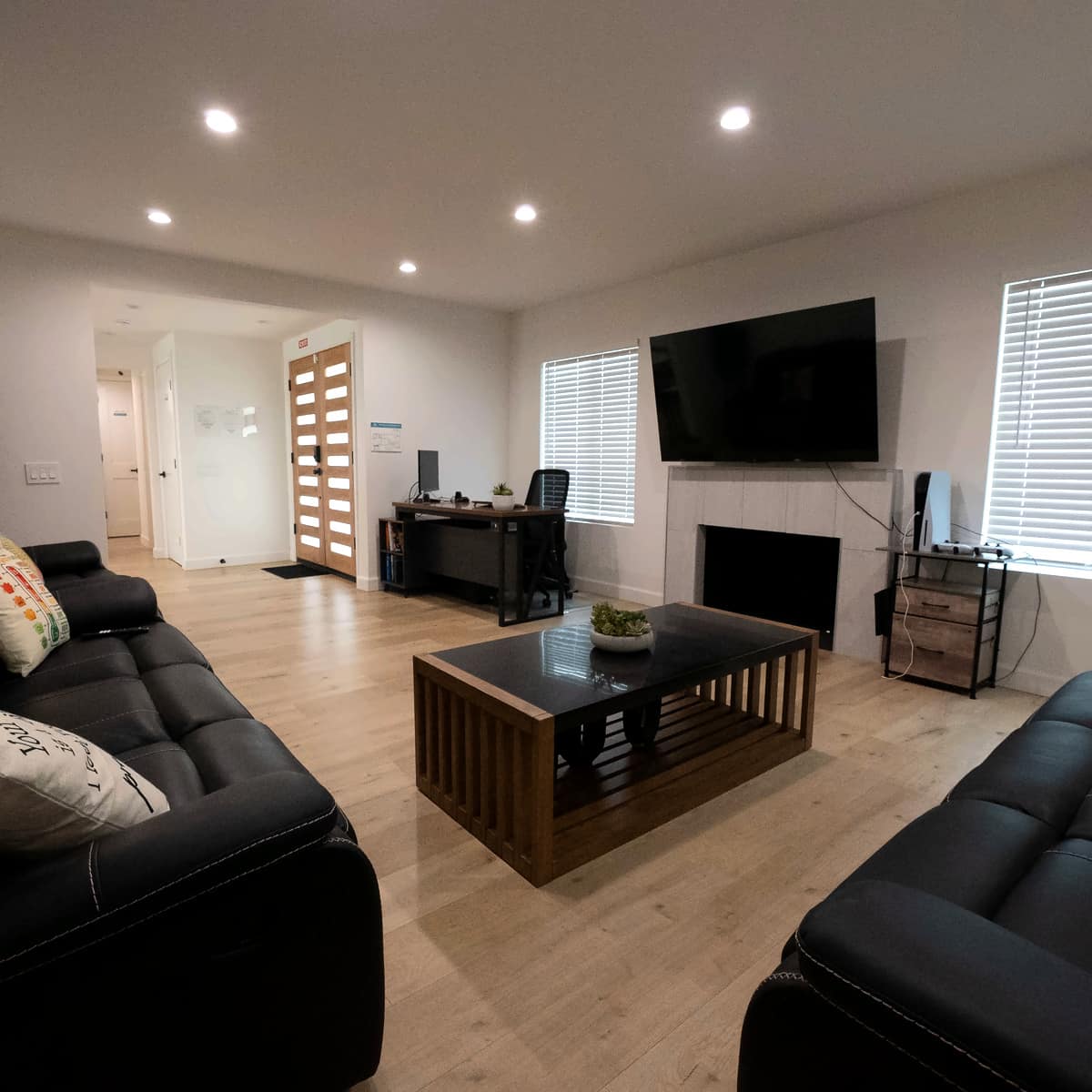
Detoxification is physical, but recovery is not only physical. Our holistic approach supports your well being and emotional healing with restaurant-grade meals from a private chef, a gym with boxing and cardio equipment, a basketball court, a green grounding area, and weekend outings into the community. Clients leave here refreshed, renewed, and rebuilt, not just sober, and far better equipped to overcome addiction for good.
Withdrawal Symptoms and Stabilization
What Should You Expect During Withdrawal?
Withdrawal begins when the body starts adjusting to the absence of drugs or alcohol after prolonged use. The severity and duration depend on the substance, how long and how heavily it was used, and your overall bodily and mental health. Medically supervised detoxification manages these symptoms safely while the body begins to stabilize.
Our medical team monitors clients closely so symptoms are managed early and comfortably. Personalized care, clinical support, medication when appropriate, and continuous monitoring reduce complications and prepare you for the next stage of addiction treatment. We also treat you as a person, not a set of vitals: our team checks in, explains what is happening, and makes sure you never feel alone in it.
Alcohol Withdrawal Symptoms
Alcohol withdrawal can cause tremors, sweating, nausea, anxiety, elevated heart rate, and difficulty sleeping. In more severe cases, symptoms include hallucinations, seizures, or delirium tremens, which can be fatal without treatment (National Institute on Alcohol Abuse and Alcoholism). Our detoxification program provides monitoring, medication support, and stabilization to manage these safely.
Benzodiazepine Withdrawal Symptoms
Withdrawal from benzos such as Xanax, Ativan, or Valium affects both the body and the nervous system. Symptoms may include anxiety, tremors, insomnia, confusion, and increased sensitivity to light or sound. Because seizures can occur, benzodiazepine withdrawal should always be medically supervised and tapered gradually.
Opioid Withdrawal Symptoms
Opioid withdrawal produces intense physical discomfort as the body reacts to the absence of fentanyl, heroin, or prescription pain medications. Symptoms include muscle aches, nausea, vomiting, diarrhea, insomnia, sweating, and strong cravings. Our program stabilizes these symptoms and supports a safer transition into treatment.
Stimulant Withdrawal Symptoms
Withdrawal from cocaine or meth is characterized by psychological and emotional symptoms rather than severe physical distress. Clients may experience fatigue, depression, sleep disturbances, irritability, and strong cravings. Clinical monitoring and dual diagnosis support help stabilize mood, and our psychiatrist is available when depression or anxiety needs more than rest and time.
How Long Does Detox Take in Los Angeles?
Most clients complete detoxification in about 5 to 10 days, though the exact length depends on the substance, how long it was used, and overall health. Some substances, especially benzodiazepines, may require a longer, slower stabilization before a client is ready for the next phase. There is no safe shortcut: the fastest way to detox is the way that keeps you medically stable, and rushing withdrawal raises the risk of complications and relapse.
At Bright Paths Recovery, detoxification flows directly into residential inpatient treatment in the same home, so there is no gap, no transfer, and no new team to meet. Most clients stay a total of 28 to 40 days across detoxification and residential care, with about 35 days being typical.
Our Los Angeles detox center provides private, confidential medically supervised withdrawal management 24/7.
Alcohol Detox Timeline
Alcohol withdrawal often begins 6 to 24 hours after the last drink, peaks within 24 to 72 hours, and eases over about 5 to 7 days. The risk window for seizures and delirium tremens falls in the first 2 to 4 days, which is when 24/7 medical monitoring matters most.
Opioid Detox Timeline
Withdrawal from short-acting opioids like heroin and fentanyl usually starts within 8 to 24 hours of the last use, peaks around days 2 to 3, and physically resolves in 5 to 10 days. Longer-acting prescription opioids may start later and last longer.
Benzodiazepine Detox Timeline
Benzodiazepine withdrawal develops more gradually, often 1 to 4 days after the last dose, and may continue for two weeks or more. Because symptoms can become severe, our physician-directed taper prioritizes safety over speed.
Stimulant Detox Timeline
Cocaine and meth withdrawal typically involves a “crash” of exhaustion and low mood in the first 1 to 3 days, followed by cravings and sleep disturbances that can continue for one to two weeks. Clinical monitoring helps you stabilize while preparing for ongoing treatment.
Why Los Angeles Trusts Bright Paths Recovery for Addiction Treatment
Insurance and Cost
How Much Does Detox Cost in Los Angeles, and Does Insurance Cover It?
The cost of detox in Los Angeles varies widely, and for most of our clients the real question is what their insurance covers. Bright Paths Recovery works with most PPO plans and out-of-network benefits, and we are in-network with Blue Shield of California and TriWest. Our admissions team verifies your coverage for free, explains exactly what your plan pays, and gives you a clear out-of-pocket estimate before you commit to anything. We do not accept Medicaid or Medi-Cal.
- Free, confidential insurance verification, usually within the hour
- In-network with Blue Shield of California and TriWest; most PPO and out-of-network plans accepted
- Aetna, Anthem, Cigna, UnitedHealthcare, Highmark, and UMR PPO members regularly use their benefits here
- Self-pay options available; ask admissions for current rates
Continuing Care
What Happens After Medical Detox?
Detoxification is the first step in recovery, but detoxification alone does not address the underlying causes of addiction. Once withdrawal has stabilized, you move straight into our residential inpatient treatment program in the same Northridge home, where the real work of recovery begins: individual therapy, group therapy, family therapy, and a daily structure that rebuilds routine, confidence, and purpose.
Our residential program uses evidence based treatments including cognitive behavioral therapy, dialectical behavior therapy for emotional regulation, motivational interviewing, and dual diagnosis treatment for co-occurring disorders like depression, anxiety, PTSD, and bipolar disorder. Group therapy happens daily, individual therapy weekly, and family therapy once or twice a week depending on what you need. Relapse prevention and aftercare planning are built into the program from the first week, and our alumni community, private app, and weekly alumni call keep you connected long after you leave. Our goal is to see every client only one time, because we want to set you up for lasting recovery and welcome you back only as a success story.
- Detoxification stabilizes the body before structured addiction treatment begins
- Inpatient drug rehab provides therapy, structure, and recovery support after detox
- Continued care addresses the underlying causes of addiction, including past trauma and mental health
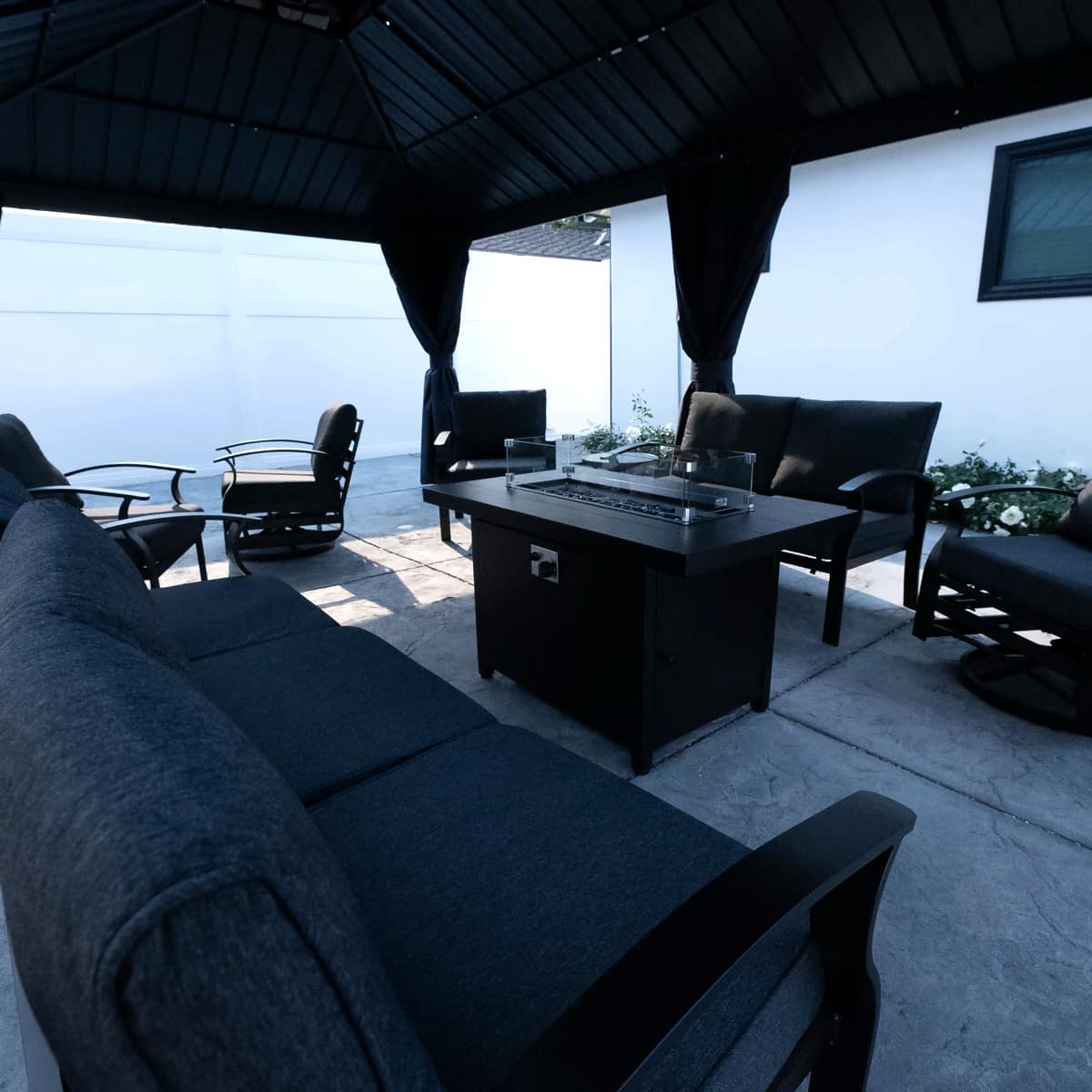
- A private chef, a gym, a basketball court, and a green grounding area support your physical and emotional well being while you heal
- Our medical and clinical teams guide each client's transition, with no gap between withdrawal management and treatment
Learn more about our Residential Inpatient Rehab Program in Los Angeles, which provides structured care immediately following medical detox.

Call Our Confidential Detox Admissions Team for Availability
Frequently Asked Questions
FAQs About Medical Detox in Los Angeles
What is medical detox?
Medical detoxification is the process of safely managing withdrawal symptoms under clinical supervision before beginning addiction treatment. During medically supervised detox, a physician and nursing team monitor your vital signs, stabilize your body, and use medication when appropriate to reduce discomfort while preparing you for ongoing treatment.
How long does a person stay in a detox center?
Most clients complete detoxification in 5 to 10 days. Alcohol and opioid withdrawal usually fall on the shorter end, while benzodiazepine withdrawal may take two weeks or longer because it requires a gradual taper. At Bright Paths Recovery, detoxification transitions directly into residential treatment, and most clients stay 28 to 40 days in total.
What is the difference between a detox center and rehab?
Detoxification addresses the bodily side of addiction: getting drugs or alcohol out of your system safely while managing withdrawal. Rehab addresses everything underneath it: the patterns, triggers, trauma, and co-occurring mental health conditions that drove the substance use, using evidence based treatments to help you overcome addiction rather than just pause it. Detoxification without rehab has a high relapse rate, which is why we provide both in one home with one team.
How much does detox cost in Los Angeles?
Costs vary widely by facility and level of medical care. For most clients, insurance covers a significant portion. We are in-network with Blue Shield of California and TriWest and accept most PPO and out-of-network plans. Our admissions team will verify your benefits for free and give you a clear estimate before you decide anything.
What medications are used during detox?
The specific medications depend on the substance involved and your medical evaluation. Our physicians use short-term, medically supervised medication to reduce the risk of seizures, ease withdrawal, manage nausea and blood pressure, and help you sleep. Our approach is non-maintenance: the goal is to get you safely through withdrawal and off medication, not to keep you on it.
Can medical detox be done at home?
Withdrawing at home is not recommended for alcohol, benzodiazepines, or heavy opioid use because withdrawal can become unpredictable or dangerous without clinical supervision. Alcohol and benzodiazepine withdrawal can cause seizures, and opioid withdrawal at home carries a high risk of relapse and overdose. A medically supervised detox program provides monitoring, medication when necessary, and immediate support if complications arise.
Is medical detox uncomfortable?
Withdrawal causes some discomfort, but medically supervised detox programs focus on reducing it as much as possible. Clinical monitoring, supportive care, and medication when appropriate make the process safer and far more manageable than withdrawing alone. Our clients receive compassionate care in a comfortable private home with restaurant-grade meals from our private chef, not a hospital ward.
How do doctors decide if someone needs medical detox?
Our medical team evaluates the type of substance used, how long and how heavily it was used, prior withdrawal history, and overall physical and mental health. This pre-assessment happens during your first call with admissions. In rare cases, such as extremely high benzodiazepine or alcohol use, we may recommend hospital-based medical clearance first, then admit you directly from the hospital.
Do you offer same-day admission for detox?
Yes. Same-day admissions are available at our Los Angeles detox center when beds are open. Call (747) 308-2500, complete a short confidential pre-assessment, and our team can verify your insurance and arrange transportation, including airport pickup for clients traveling from out of the area.
Can couples detox together, and can I bring my dog?
Yes to both. Bright Paths Recovery offers dedicated couples programming and is a pet friendly home. Speak with admissions about your specific situation so we can plan your stay before you arrive.
Where is your detox center located?
Our detox and residential treatment home is located at 10014 Louise Ave in Northridge, CA, in the San Fernando Valley area of Los Angeles County. We serve clients from across Los Angeles, including the Valley, the Westside, Pasadena, Santa Clarita, and Ventura County, as well as clients traveling from out of state.
A Safer Path Forward Starts Here
You do not have to face withdrawal on your own, and neither does the person you love. Bright Paths Recovery provides medically supervised drug and alcohol detox, evidence based treatments in residential care, and compassionate support at every stage of the recovery process.
Our team works with clients and families to create personalized treatment plans that support long term recovery, help you overcome addiction, and restore a renewed sense of purpose. Whether you are ready to begin today or exploring treatment options for someone else, help is one confidential call away.
Reach out today and let us help you find the path you were meant for.
- 100% Confidential
- Free Benefits Check
- Same-Day Admissions
- Pet Friendly