
Flakka is a synthetic stimulant that has drawn national attention for the alarming behavior it can trigger in the people who use it. Often called the “zombie drug” in media coverage, flakka has been linked to episodes of extreme agitation, paranoia, hallucinations, and aggression that look frightening to bystanders, though that nickname is not a clinical term. If you or a loved one is struggling with this drug, professional substance abuse treatment can offer a structured path toward recovery.
What Is Flakka?

So, what is flakka exactly? It is a synthetic cathinone that is chemically similar to other synthetic drugs known as “bath salts.” Flakka gained wide public attention during the past decade, especially after clusters of cases made headlines. The drug is a synthetic version of a stimulant compound, and its potency is part of what makes it such a dangerous drug.
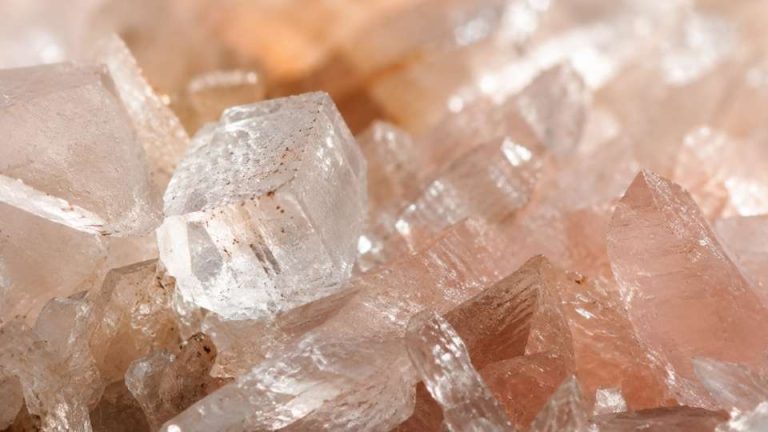
The name comes from a Spanish slang term, but the substance is also called “gravel.” Flakka is a street drug commonly found in a crystal form, and the crystals are typically white or pink, resembling gravel, which is why it earned that nickname. The gravel-like crystal form is one reason the drug is easy to disguise.
Because flakka has been sold cheaply in small amounts, it appeared in local clusters and became a public concern, especially during the Florida surge of cases. It is a street drug commonly marketed under various names, which makes it difficult to regulate and track. In Florida, especially, a surge of cases made flakka abuse a public concern, and learning to spot that abuse early is the first step toward getting help.
Flakka and the Family of Synthetic Drugs
Flakka belongs to a broad category of synthetic drugs manufactured in labs rather than derived directly from plants. These synthetic drugs are designed to mimic the effects of stimulants such as cocaine, but their chemical structure is often altered to skirt existing laws. Because the chemicals are tweaked so frequently, these synthetic drugs can be hard for medical professionals to keep up with.
Flakka is a synthetic cathinone, which means it is chemically similar to the natural stimulant found in the khat plant. The drug’s active compound, alpha-PVP, is a synthetic derivative of cathinone, and it is also chemically similar to amphetamine-type stimulants. This lineage helps explain why the drug can produce intense stimulant effects on the central nervous system.
Many people first hear about these chemicals through coverage of “bath salts,” and the connection is real. Flakka and many drugs sold as bath salts share the same cathinone family. Flakka is often sold as white or pink crystals, while bath salts may appear as crystals or powder and can vary in contents. The overlap is part of why officials group them with other synthetic drugs when issuing warnings.
Alpha-PVP: The Active Compound in Flakka
The scientific name for flakka’s active ingredient is alpha-pyrrolidinopentiophenone, also called alpha-pyrrolidinovalerophenone, usually shortened to alpha-PVP. The drug is built around this molecule, and alpha-PVP is what gives it its intense stimulant punch. While alpha-pyrrolidinopentiophenone is a mouthful, the short form alpha-PVP appears on most lab reports and harm-reduction materials.
Alpha-PVP works by blocking the brain’s ability to reabsorb dopamine and norepinephrine. This blockage can lead to an intense stimulant effect in the central nervous system, which is why the high can last far longer than people expect. Some users vaporize the drug in e-cigarettes, and inhaling it through e-cigarettes speeds the effects.
Because alpha-PVP is so potent and street products vary in purity, the gap between the intended high and toxic effects can be unpredictable and sometimes narrow. A small miscalculation with this dangerous drug can move a person from euphoria into a medical emergency.
How Flakka Compares to Bath Salts and Other Synthetic Drugs

Flakka and bath salts are frequently mentioned together, and for good reason. Both belong to the synthetic cathinone class, both may appear in a crystal form, and both can be eaten, snorted, injected, or vaporized. The line between flakka and bath salts is often blurry, since dealers may sell similar chemicals under either name.
The drug is known for stimulant effects that can lead to euphoria and increased energy similar to cocaine or methamphetamine, but toxicity can occur unpredictably because dose, purity, and contents vary. That low threshold is one reason this dangerous drug has been linked to so many emergency room visits. Because it is often snorted or injected, the onset can be rapid.
| Feature | Flakka (Alpha-PVP) | Bath Salts | Cocaine |
|---|---|---|---|
| Source | Synthetic cathinone | Synthetic cathinone | Coca plant |
| Common form | Crystal, white or pink | Crystal or powder | Powder or rock |
| Typical use | Eaten, snorted, injected, vaporized | Snorted, swallowed, injected | Snorted, smoked, injected |
| Key risk | Hyperthermia, agitation | Agitation, paranoia | Heart strain, addiction |
The table above shows how flakka sits alongside related substances. Like other synthetic drugs, flakka is sometimes vaporized in e-cigarettes for faster effects, and dosing through e-cigarettes is even harder to control.
The Drug Enforcement Administration and Flakka’s Legal Status
The DEA classified flakka as a Schedule I drug, a category reserved for substances with a high potential for abuse and no accepted medical use. That classification means there is no approved reason for human consumption of this drug, and possessing it is illegal.
Scheduling flakka as illegal was meant to slow its spread, but the shifting chemical structure of these stimulants makes enforcement difficult. When one formula is banned, makers adjust the chemicals slightly to create a new compound, an ongoing challenge for regulators.
Public health and research groups, including the National Institute on Drug Abuse, continue to study synthetic cathinones and how they affect the body. Their findings reinforce that alpha-PVP has no approved medical use and no reliably safe recreational dose, and that severe intoxication can cause lasting harm to the heart, kidneys, or brain, especially when hyperthermia, rhabdomyolysis, or oxygen deprivation occurs.
Signs of Flakka Abuse and Drug Abuse Patterns
Recognizing flakka abuse early can save a life. Drug abuse involving this stimulant can escalate quickly because of its stimulant effects and abuse potential. Family members are often the first to notice that something is wrong.
Signs of flakka use include paranoia, hallucinations, violent behavior, and self-injury. The drug can cause severe agitated delirium-like symptoms, including bizarre behavior, anxiety, agitation, confusion, involuntary muscle spasms, seizures, and medical instability. Users may also display extreme agitation, paranoid psychosis, and delusions, and the drug can lead to violent aggression and self-injury rapidly, especially when injected or vaporized.
Here are common warning signs that may point to abuse:
- Sudden episodes that lead to violent aggression and self-injury that seem out of character
- Intense paranoia, hallucinations, or a complete break from reality
- A dangerously high body temperature, heavy sweating, or removing clothing
- Erratic behavior and confusion that put the person and others at risk
Severe agitation from flakka can lead to violent aggression and self-injury, posing risks to both users and anyone nearby. Because the drug can act so suddenly, situations involving it often become emergencies before anyone realizes a stimulant is involved. If you notice these signs, learning more about stimulant addiction can help you understand what your loved one is facing.
Health Risks: Why Flakka Is So Dangerous
Flakka carries severe health risks that affect nearly every system in the body. The drug can dangerously raise body temperature and lead to rhabdomyolysis, kidney damage, or kidney failure, and severe episodes can leave lasting damage. These overlapping dangers make flakka extremely dangerous compared with many other drugs.
The most serious complications come from how the drug pushes the body past its limits. It carries risks including organ failure from hyperthermia, brain injury from oxygen deprivation, cardiovascular events such as heart attacks, seizures, and potentially fatal overdose. Because body temperature can climb so fast, hyperthermia is one of the most immediate threats to life. Stimulants like this can also lead to violent aggression and self-injury.
Symptoms of flakka use include severe agitation and a complete break from reality, hyperthermia leading to dangerously high body temperatures, and psychosis with severe paranoia and hallucinations. The hallucinations can feel real, and severe intoxication can involve both psychotic symptoms and cardiovascular complications such as a heart attack or stroke.
Flakka has been linked to a higher risk of death because of its potency and the severe complications it can cause, including renal failure. The drug causes severe physical and psychiatric states, including heightened alertness and euphoria, but the threshold for toxicity can be unpredictable, so the line between a high and a crisis is thin. This is also why the drug has been linked to sudden death.
Withdrawal Symptoms of Flakka
Stopping flakka after regular use can produce difficult withdrawal symptoms. While stimulant withdrawal differs from alcohol withdrawal, the psychological effects can be intense, including depression, anxiety, fatigue, and powerful cravings. Unlike some substance use disorders that have approved medications, there is no approved maintenance medication or safe prescribed dose of alpha-PVP.
These effects are part of why quitting alone is so hard, because withdrawal can be intense; medical supervision is recommended, especially when there is heavy use, polysubstance use, severe depression, suicidal thoughts, psychosis, or medical complications. A supervised drug detox program lets a clinical team monitor for complications, and you can read more about medically induced detox to understand that level of care.
Treating Flakka Addiction
Flakka addiction is treatable, and recovery is possible with the right support. The first step in treating flakka addiction is to detox from the drug, which should be done in a medical setting so staff can monitor for complications. Managing withdrawal alone can be risky, which is why a structured drug detox treatment program matters.
After detox, therapy is essential for treatment. It helps people identify underlying issues and learn coping strategies for triggers and cravings, and several types of therapy for addiction may be combined. Therapy can be conducted in either inpatient or outpatient settings, depending on the severity of the case.
Ongoing support keeps recovery on track once the formal program ends. Aftercare is important and may include 12-step programs and continued therapy. Building an aftercare plan for substance abuse gives a person tools to handle stress and relapse triggers, for example, after returning home.
A typical path through flakka addiction treatment often follows these stages:
- Medical detox to clear the drug and manage withdrawal under supervision
- Individual and group therapy to address the roots of addiction
- Choosing between inpatient or outpatient treatment based on need
- Aftercare, alumni support, and relapse prevention planning
Families play a role, too. If someone you love is struggling, resources on supporting a loved one in treatment and on staging an intervention can guide that difficult conversation. Comprehensive substance abuse treatment brings these pieces together in one coordinated plan.
Because flakka is part of the larger stimulant landscape, understanding related drugs helps. Guides on what crystal meth is, how meth affects the body and mind, meth withdrawal, and the types of substance use disorders give a fuller picture. Many people who use flakka mix it with other drugs such as methamphetamine, ketamine, or marijuana, which raises the danger and the risk of death.
What Is Flakka? Frequently Asked Questions
Is flakka the same thing as bath salts?
Not exactly, though they are closely related. Both are synthetic cathinones with a similar makeup, and both may appear in a crystal form. The terms are sometimes used loosely, but flakka usually refers to alpha-PVP, though street products sold under that name may contain other synthetic cathinones or adulterants. As an example, a sample sold as one may actually contain the other.
Why is flakka called the “zombie drug”?
Flakka earned the media nickname “zombie drug” because of reports of bizarre, agitated, and sometimes violent behavior, though the term is sensational and not clinical. A complete break from reality, paired with that frightening loss of control, is what inspired the comparison.
How addictive is flakka compared with other drugs?
Flakka is considered highly potent and has significant abuse potential because it strongly affects dopamine and norepinephrine signaling. Reviewing how long similar drugs stay in the body, such as in this guide on how long cocaine stays in your system, shows how these chemicals take hold. Because the drug is so addictive, professional treatment is usually the safest route back to a healthier life.