
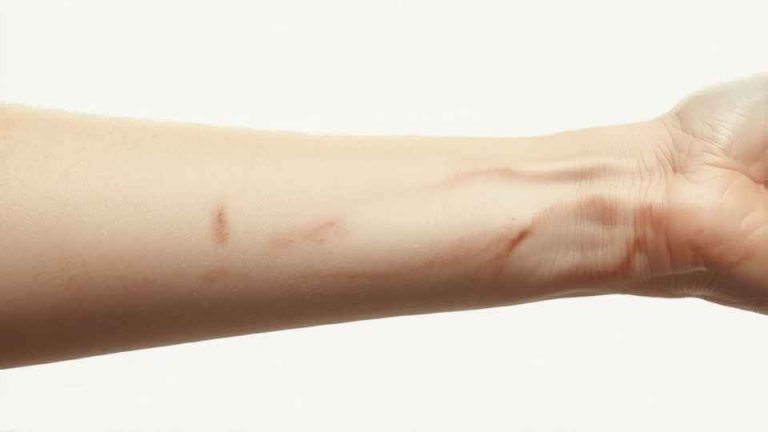
The skin can reveal what a person may be trying to hide. Among the strongest physical clues of possible injection drug use are track marks, the scars and wounds left behind by repeated needle injections, especially when they appear repeatedly along veins or alongside other signs. For parents, partners, and friends, recognizing track marks and other skin signs of drug use can be the moment worry turns into understanding, and understanding is often the first step toward getting a loved one the help they need.
This guide explains what track marks are, what they look like at different stages, where they appear on the body, and the other skin changes that can point to drug use. It also covers the serious health risks involved and what to do if you notice these signs. Injection drug use is among the most dangerous patterns of substance use, and a medically supervised detox program offers a safe place to begin recovery. This article is meant to inform and support concerned loved ones.
What Are Track Marks?
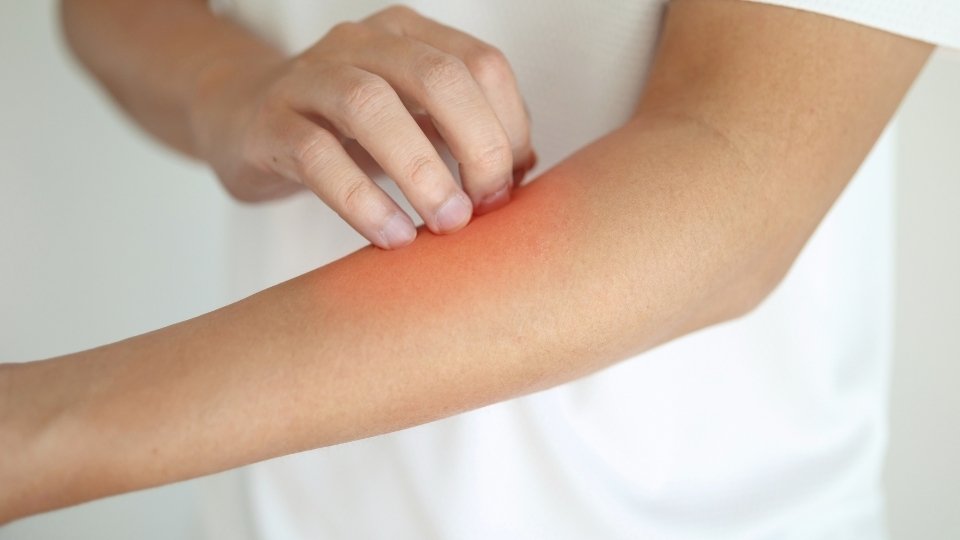
Track marks are the visible marks left on the skin from repeatedly injecting drugs into the same areas. Each injection punctures the skin and, in intravenous use, the vein beneath it. When this happens over and over in the same spot, the body cannot fully heal between injections. The result can be a pattern of scars, discoloration, and damage. When injections are made into veins, the marks may follow the path of a vein, which is why they are often called “tracks.”
Track marks are most associated with injecting opioids such as heroin and fentanyl, but they can result from injecting other drugs as well, including methamphetamine and cocaine. The marks tend to worsen over time as veins become damaged and scarred. Because they can be difficult to hide, track marks can be one of the strongest physical indicators of injection drug use, especially when paired with other signs.
What Do Track Marks Look Like?

So what do track marks look like? Their appearance changes depending on how recent the injections are and how long a person has been using. Recognizing the difference between fresh and older marks can help you understand how long use may have been going on.
Fresh Track Marks
Recent injection sites may look like small puncture wounds or pinpoint scabs. The surrounding skin may be red, swollen, bruised, or tender. Fresh marks may appear as a line or cluster of dots following a vein, sometimes with visible bruising in shades of purple, blue, or yellow as the injuries heal.
Older and Healed Track Marks
Over time, repeated injections leave lasting damage. Older track marks from drugs tend to appear as:
- Darkened or discolored lines along the veins
- Raised, hardened, or scarred tissue
- Veins that look collapsed, sunken, or rope-like
- Hyperpigmented streaks where the skin has darkened
- Clusters of small, round scars
Some people may also have circular scars, ulcers, or abscesses from injecting under the skin. In long-term users, the skin over frequently used veins can become permanently scarred and discolored, and the veins themselves may collapse and stop functioning.
Where Track Marks From Drugs Appear on the Body
Track marks typically show up wherever veins are easiest to access. As those veins become damaged, people may move to new, less visible areas, which is part of why injection sites can shift over time. Common locations include:
- The inner crease of the elbow is the most frequent site
- The forearms and wrists
- The backs of the hands
- Between the fingers and toes
- The feet and ankles
- The legs
- The neck and, in advanced cases, the groin
When veins in the arms become too scarred or collapsed to use, or when a person is trying to hide injection sites, marks may shift to hidden or higher-risk areas like between the toes or on the legs. A behavioral clue may accompany this: wearing long sleeves and pants even in hot weather to cover the marks, especially when paired with other signs.
Other Skin Signs of Drug Use
Track marks are not the only skin signs of drug use. Different substances and methods of use produce distinct changes to the skin, and recognizing them broadens the picture. The table below summarizes common skin signs and what they may indicate.
| Skin Sign | What It May Indicate |
|---|---|
| Lines of dots, scars, or bruising along veins | Repeated injection drug use |
| Abscesses, swelling, redness, or warmth | Infection at an injection site |
| Collapsed, hardened, or rope-like veins | Long-term intravenous use |
| Open sores, scabs, or picking wounds | Stimulant use such as methamphetamine or cocaine |
| Burns on the lips, fingers, or mouth | Smoking drugs such as crack or meth |
| Skin that feels unusually hot, painful, or discolored | Possible serious soft-tissue infection that needs medical care |
Infections and Abscesses
Injecting drugs can introduce bacteria into the skin and bloodstream, which can cause painful abscesses, swelling, and skin infections at injection sites. These appear as red, warm, swollen lumps that may drain fluid. Left untreated, these infections can spread and become life-threatening, so any signs of infection require prompt medical care.
Sores and Skin Picking
Stimulant use, particularly methamphetamine and sometimes cocaine, is linked to a different set of skin signs. Users may develop sores, scabs, and open wounds, often on the face and arms, caused by compulsive skin picking and the sensation of something crawling under the skin. These sores can become infected and scarred.
Health Risks of Injection Drug Use
The skin signs are visible warnings of much greater dangers. Injection drug use carries some of the highest health risks of any form of substance use. Beyond the local damage of track marks and abscesses, sharing needles and using non-sterile equipment can transmit serious bloodborne infections, including HIV and hepatitis B and C. Repeated injection can also lead to collapsed veins, blood clots, and dangerous infections of the heart valves.
Perhaps the most immediate risk is overdose, especially when injecting opioids like heroin or fentanyl, which delivers the drug to the bloodstream very quickly and sharply increases overdose risk. Because fentanyl and other synthetic opioids may be present in the illicit drug supply, how to administer Narcan is an important skill for anyone close to someone who injects drugs. Recognizing the signs of fentanyl addiction can also help loved ones gauge the seriousness of the situation.
What to Do If You Notice Track Marks
If you notice track marks or other skin signs on someone you love, it is natural to feel frightened. Try to respond with care rather than confrontation. Choose a calm, private moment when the person is sober, share what you have observed using specific and gentle language, and focus on your concern for their health and safety.
Expect that the person may deny or minimize what is happening, which is common. Staying steady and compassionate makes it more likely they will eventually open up. Because injection drug use often involves opioids, learning about the leading treatments for opioid use disorder and how to support a loved one through treatment can help you offer real, informed support. If you ever see signs of an infection or an overdose, seek emergency medical care immediately. Call 911 for overdose signs such as slowed or stopped breathing, blue lips, unresponsiveness, seizures, chest pain, or severe confusion, and give naloxone if an opioid overdose is possible.
Getting Help at Bright Paths Recovery
Noticing track marks is alarming, but it can also be the turning point that leads to recovery. Injection drug use is dangerous, yet addiction is treatable, and people rebuild healthy lives every day with the right support. Acting early, before infections, disease, or overdose take a greater toll, gives the best chance at a full recovery.
At Bright Paths Recovery, our compassionate team understands how serious injection drug use is and how difficult it can be to confront. We provide safe, medically supervised drug detox followed by personalized, evidence-based treatment designed for lasting recovery. Whether you are worried about a partner, a child, a friend, or yourself, you do not have to face this alone, and help is available right now.
Track Marks Frequently Asked Questions
What do track marks look like?
Fresh track marks may look like small puncture wounds, scabs, or clusters of dots along a vein, often with redness, swelling, or bruising. Older track marks appear as darkened, scarred lines, hardened tissue, and collapsed veins, usually following the path of frequently used veins. Some injection wounds may also appear as circular sores or ulcers.
Where do track marks from drugs usually appear?
Track marks most often appear in the inner crease of the elbow, the forearms, wrists, and backs of the hands. As veins become damaged or a person tries to hide injection sites, marks may shift to less visible areas like the legs, feet, between the toes, the neck, or the groin.
What other skin signs of drug use should I look for?
Besides track marks, watch for abscesses, swelling, and redness at injection sites, collapsed or hardened veins, and open sores or scabs from skin picking, which are common with methamphetamine or cocaine use. Burns on the lips or fingers can indicate smoking drugs like crack or meth.