

Finding an unfamiliar object in a loved one’s room, bag, or car can send your mind racing. Is it harmless, or could it be drug paraphernalia? For parents, partners, and other family members, learning to recognize possible drug paraphernalia is one practical way to identify a potential problem early, especially when items appear alongside residue, concealment, or behavior changes. Drug paraphernalia can be one of the first concrete signs that someone may be using, and spotting it can open the door to a conversation that leads to help.
This guide explains what drug paraphernalia is, the common items to look for, the subtle signs that point to it, and the places it is often hidden. It also covers what finding it actually means and what to do next. If you discover that someone you love is using drugs, a medically supervised detox program can offer a safe path forward. This article is meant to inform and support concerned loved ones, not to alarm.
What Is Drug Paraphernalia?
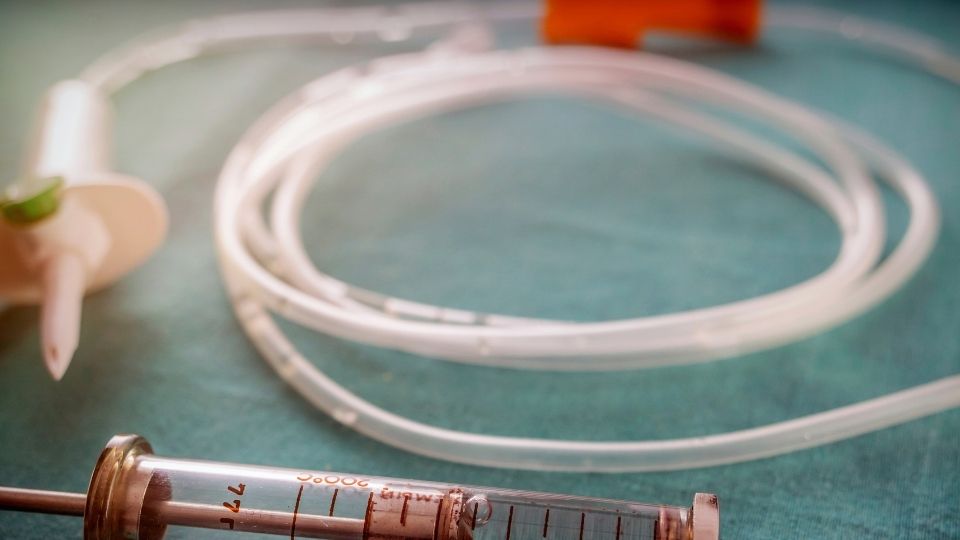
So, what is drug paraphernalia exactly? Drug paraphernalia refers to any equipment, product, material, or accessory primarily intended or used to produce, conceal, consume, prepare, or otherwise handle illegal drugs. The term covers a wide range of items, from purpose-made products sold in stores to ordinary household objects repurposed for drug use.
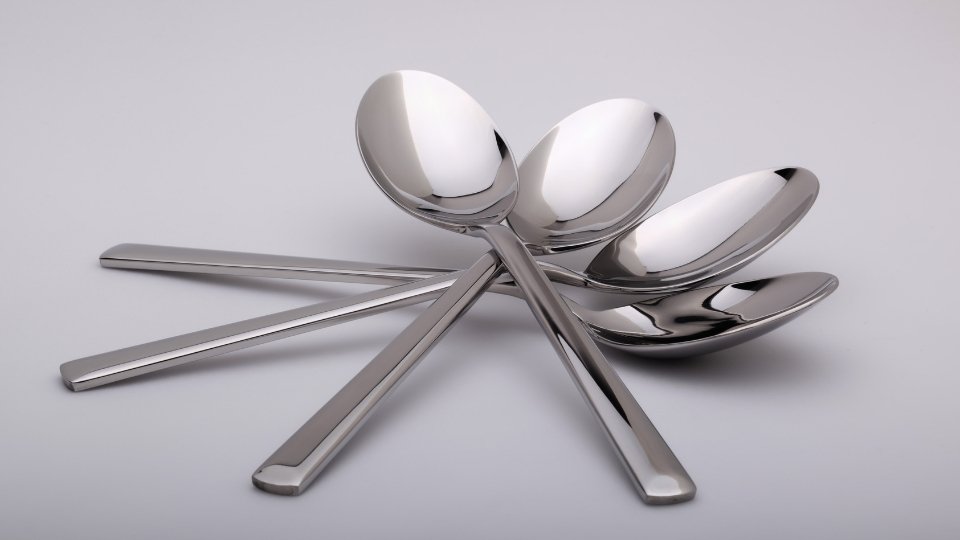
What makes recognizing paraphernalia tricky is that many of these items look completely innocent on their own. A spoon, a piece of foil, a small plastic bag, or a hollow pen can all serve everyday purposes. It is the context, the combination of items, and the presence of residue or burn marks that often reveals their true use. Understanding what to look for helps you tell the difference between clutter and a warning sign.
Common Types of Drug Paraphernalia
Drug paraphernalia generally falls into categories based on how a substance is used. Knowing the main types makes it easier to recognize what you might be seeing.
Items Used for Smoking
Smoking is one of the most common methods of drug use, and the related paraphernalia is often the easiest to spot. Items that may be associated with smoking or heating drugs include:
- Glass, metal, or wooden pipes, including small bowls
- Bongs or water pipes
- Rolling papers, blunt wraps, or cigarette papers
- Small altered glass tubes
- Burnt foil or scorched spoons
- Lighters or torches in unusual quantities
Items Used for Snorting
Drugs in powder form are often snorted, which leaves behind a distinct set of clues. Common items include rolled-up dollar bills, hollowed-out pens, cut straws, small mirrors or smooth surfaces, razor blades, and small cards used to arrange powder. Fine powder residue on these surfaces can be a strong indicator, especially when paired with other warning signs.
Items Used for Injecting
Injection paraphernalia is among the most serious to find, since it can point to high-risk use. Watch for syringes or needles, burnt spoons or bottle caps, elastic bands or shoelaces used to tie off a limb, and small cotton balls. When these items appear without a clear medical reason or alongside residue, burn marks, or other warning signs, they may suggest injection drug use and warrant immediate concern.
Storage and Packaging Items
Finally, many items are used simply to store, hide, or divide drugs. These include small plastic zip bags, folded paper packets, empty capsules, pill bottles with no label, and small containers or tins, especially when they contain residue, unusual labeling, or appear with other paraphernalia. The table below summarizes common paraphernalia and what each item may indicate.
| Item | What It May Indicate |
|---|---|
| Pipes, bongs, rolling papers | Smoking cannabis, tobacco, or other drugs; context and residue matter |
| Burnt spoons, syringes, tie-offs | Injecting drugs such as opioids, methamphetamine, cocaine, or other substances |
| Rolled bills, straws, small mirrors, razor blades | Snorting cocaine or other powders |
| Burnt foil and small tubes | Smoking or vaporizing opioids, methamphetamine, or other substances |
| Small plastic baggies, folded paper, unlabeled bottles | Storing, hiding, or dividing drugs |
No single item proves drug use on its own, but several of these appearing together paint a much clearer picture.
Signs of Drug Paraphernalia
Sometimes the paraphernalia itself is not obvious, but the signs of drug paraphernalia are. Subtle clues can point to use even when the actual items are out of sight. Be alert to:
- Powder residue, ash, or burn marks on surfaces and objects
- A strange chemical, burnt, or unusual smell in a room or on clothing
- Repeatedly missing spoons, foil, or plastic bags from the kitchen, especially when paired with other signs
- Scorch marks on spoons, foil, or other small metal items
- Small stains or burns on bedding, furniture, or clothing
- Frequent possession of lighters by someone who does not smoke cigarettes
- Pen casings or straws that have been taken apart
When these signs appear alongside behavioral changes such as secrecy, mood swings, or financial trouble, the likelihood of drug use rises significantly. These patterns may indicate one of several types of substance use disorders that respond well to professional treatment.
Where Hidden Drug Paraphernalia Is Often Found
People who are using drugs may try to keep their paraphernalia out of sight, which is why some of it is concealed. Knowing where hidden drug paraphernalia tends to turn up can help concerned family members understand what they are seeing. Common hiding places include:
- Inside shoes, the lining of bags, or coat pockets
- Tucked into drawers, under mattresses, or behind furniture
- Inside everyday containers like soda cans, lotion bottles, or makeup
- In vehicles, including glove compartments and under seats
- Inside hollowed-out books or false-bottom containers
- Within electronics cases or behind picture frames
The goal of recognizing these spots is not to invade someone’s privacy for its own sake, but to understand the seriousness of what concealment can signal. Hidden paraphernalia can suggest that substance use is being concealed and may be more than a one-time experiment, but it does not prove the full extent of use.
What Finding Paraphernalia Means
Discovering drug paraphernalia is upsetting, but it is important to interpret it thoughtfully. Finding likely paraphernalia, especially items with residue, burn marks, or several related objects together, strongly suggests that drug use may be occurring. The type of paraphernalia can hint at which substances are involved and how they are being used, though it cannot confirm the exact drug by itself. Injection equipment without a clear medical reason, for example, generally indicates a higher-risk pattern than rolling papers alone.
At the same time, paraphernalia is a sign, not a complete diagnosis. It tells you that use may be happening, but not the full extent of it or what is driving it. The most useful response is to treat the discovery as an opportunity to start a caring, honest conversation rather than as grounds for punishment or shame.
What to Do If You Find Drug Paraphernalia
If you find drug paraphernalia belonging to someone you love, try not to react out of panic or anger. Take time to gather your thoughts, and choose a calm, private moment to talk when the person is sober. Lead with concern rather than accusation, share what you found and how it made you feel, and focus on your love for them.
Avoid touching needles, powders, burnt foil, or unknown residue with bare hands. If there are overdose symptoms, call 911 immediately and give naloxone if an opioid overdose is possible. Safety comes first, especially when the substance or risk is unclear.
Expect that the person may deny, minimize, or become defensive, which is common. Staying steady and compassionate makes it far more likely that they will eventually open up. Learning how to support a loved one through treatment and how to plan a structured intervention can give you a clear, compassionate framework for these conversations. The goal is always to guide the person toward help, not to drive them away.
Getting Help at Bright Paths Recovery
Finding drug paraphernalia can be the moment that changes everything, the point where worry turns into action. Whatever substance is involved, addiction is treatable, and people rebuild healthy lives every day with the right support. Acting early, before the situation worsens, gives the best chance at a full recovery.
At Bright Paths Recovery, our compassionate team understands how frightening it is to realize that someone you love may be using drugs. We provide safe, medically supervised drug detox followed by personalized, evidence-based treatment designed for lasting recovery. Whether you are worried about a child, a partner, a friend, or yourself, you do not have to face this alone, and help is available right now.
Drug Paraphernalia Frequently Asked Questions
What is considered drug paraphernalia?
Drug paraphernalia is any equipment, product, material, or item primarily intended or used to produce, conceal, consume, prepare, or handle illegal drugs. It includes purpose-made products like pipes and bongs as well as ordinary objects repurposed for use, such as burnt spoons, rolled bills, foil, syringes, and small plastic bags.
What are the signs of drug paraphernalia?
Signs include powder residue, ash, or burn marks on surfaces, unusual chemical smells, scorched spoons or foil, repeated missing kitchen items, and altered pens or straws. These clues become more telling when paired with behavioral changes like secrecy, mood swings, or financial problems.
Where is drug paraphernalia usually hidden?
Hidden drug paraphernalia often turns up in shoes, bag linings, drawers, under mattresses, inside everyday containers like cans or bottles, in vehicles, and within hollowed-out books or false-bottom containers. Concealment can signal that drug use is being hidden and may be ongoing, but it does not prove the full extent of use.