
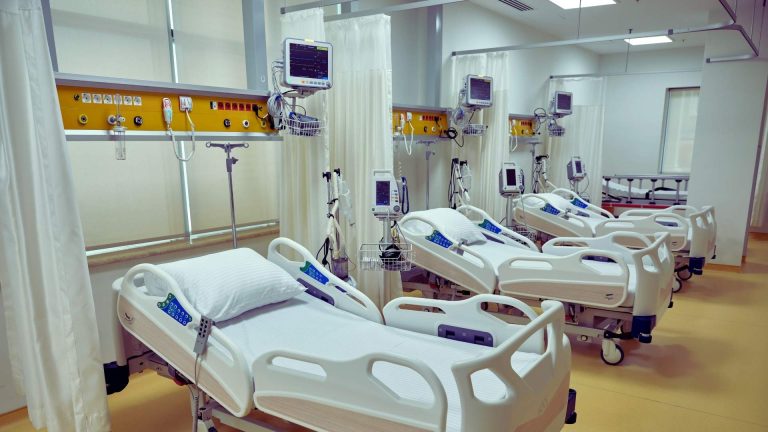
Withdrawal can feel like an emergency because sometimes it is. When someone suddenly stops using alcohol, opioids, benzodiazepines, or other addictive substances, their body can go into shock. Heart rate can spike. Blood pressure can soar. Seizures and hallucinations can start without warning.
In that moment, many people go straight to the emergency room, which is completely understandable. Emergency rooms are designed to handle life-threatening crises, and severe withdrawal fits that category. But while ERs can save lives during withdrawal, they are not equipped to help someone fully detox or recover from addiction. This is where we at Bright Paths Recovery can make a difference. We help people move from emergency stabilization to safe, medically monitored detox in a calming environment.
Before you decide how to get help, it can be reassuring to know what emergency room detox really looks like, what its limits are, and how it compares to residential detox programs.
What Happens During Detox in the Emergency Room
Emergency room detox is very different from a luxury detox center in Los Angeles. In the ER, the focus is on crisis management, not long-term recovery.
If you arrive at the ER experiencing withdrawal symptoms, the medical team will act quickly to stabilize you. This often starts with assessing your vital signs. They may check heart rate, blood pressure, oxygen levels, and temperature every few minutes. Blood and urine tests are usually done to see if your body is dehydrated or if organs are under stress from substance use.
Doctors may also ask about your substance use history. This helps them determine what type of withdrawal you’re experiencing and how severe it might become. Alcohol and benzodiazepine withdrawal are especially dangerous because they can cause seizures and life-threatening spikes in blood pressure.
Once the staff understands your condition, they will begin symptom management. This may include:
- IV fluids to prevent dehydration
- Electrolyte replacement
- Sedatives to reduce the risk of seizures
- Anti-nausea medication
- Medication to stabilize heart rate or blood pressure
If you are in extreme distress, the ER may admit you to the hospital for short-term observation, typically for 24 to 48 hours.
What the ER will not do is complete your detox. They generally will not provide multiple days of withdrawal medication or ongoing therapy. Once you are medically stable, they will discharge you and encourage you to seek formal treatment.
Managing Withdrawal Symptoms in an Emergency Setting
A common question people have is whether emergency rooms can actually help with withdrawal symptoms. The answer is that they can, but their role is limited to the most dangerous situations. Here are some examples of symptoms that may require emergency care:
Seizures, Hallucinations, or Severe Vomiting
If you are experiencing seizures, hallucinations, or severe vomiting, ER doctors can use fast-acting medications to stabilize your system and keep you safe.
Alcohol Withdrawal
For alcohol withdrawal, they may give benzodiazepines to prevent seizures.
Opioid Withdrawal
For opioids, they might provide medications like clonidine to lower blood pressure and ease restlessness.
Benzodiazepine Withdrawal
For benzodiazepine withdrawal, they often use long-acting versions of the same medication class to prevent dangerous spikes in symptoms.
Limits of ER Treatment
However, most ERs do not continue withdrawal medications for more than a day or two. They typically do not give maintenance medications for opioid use disorder, such as buprenorphine or methadone, unless you are in acute distress.
Why Residential Detox Offers Safer and More Complete Care
Residential detox centers like ours at Bright Paths Recovery are built specifically to support people through the full detox process. This means not only keeping you medically safe but also making the experience more comfortable, structured, and supportive before stepping down into inpatient rehab.
Key advantages of residential detox include:
- Round-the-clock supervision: Your vital signs and withdrawal symptoms are monitored 24/7. If anything changes, medical staff can respond immediately.
- Medication management over several days: Unlike ERs, residential detox centers can safely provide medications for the entire withdrawal period. This can reduce pain, anxiety, nausea, and cravings.
- Therapeutic support: Counselors are available every day to help you cope with fear, depression, or stress that often surface during detox.
- Smooth transition to ongoing care: When detox is complete, you can move straight into residential treatment or therapy without having to start from scratch at a new location.
- A calming environment: Instead of the noise and urgency of a hospital, you stay in a peaceful setting where your focus is on healing.
Can I Detox in an Emergency Room?
Yes, you can start detoxing in an emergency room, but it’s not where detox is completed. Emergency rooms are meant to handle crises, not provide ongoing withdrawal care.
If your symptoms are life-threatening, going to the ER is the safest choice. But if you are not in immediate danger, heading directly to a detox center is usually safer and far more effective.
Think of it this way: the ER can keep you alive during a medical emergency, while a detox center can guide you through the full process of recovery.
If you do end up in the ER for withdrawal, ask the staff to connect you with a detox center as soon as you are stable. Bright Paths Recovery accepts transfers from local hospitals and can often admit patients the same day. This helps prevent the risk of leaving care too soon and relapsing before you’re ready.
When to Choose Emergency Room Detox and When to Choose a Detox Center
If you are unsure which type of care to choose, it helps to look at the severity of your symptoms.
Go to the ER right away if you experience:
- Seizures
- Hallucinations or confusion
- Chest pain
- Severe vomiting or diarrhea
- High fever
- Uncontrolled shaking
- Suicidal thoughts
Go directly to a detox center if you experience:
- Mild to moderate withdrawal symptoms
- Cravings and anxiety
- Early withdrawal signs like sweating, chills, and restlessness
- No life-threatening symptoms, but you know you cannot stop on your own
In many cases, people start in the ER to get stabilized and then transfer to a detox center. Bright Paths Recovery works with hospitals to make this transition smooth and fast so you don’t lose momentum.
How Bright Paths Recovery Helps People After ER Detox
Bright Paths Recovery is a residential detox and treatment center in Los Angeles that specializes in helping people safely move from crisis to recovery.
If you have gone through detox in the emergency room, you can contact our team directly once you are stable, and we can help you get admitted into our detox program. Once you arrive, you’ll receive continuous medical monitoring, personalized withdrawal management, and daily therapy sessions to help you prepare for treatment.
Our program focuses on healing both the body and mind. After detox, you can transition into residential treatment on the same campus, where you’ll work on relapse prevention, mental health, and rebuilding daily routines.
Contact Bright Paths Recovery Today
If you or someone you care about is experiencing withdrawal, help is available now. Contact Bright Paths Recovery to speak with our admissions team. We are here to provide safe detox and guide you into a supportive treatment program that can lead to lasting recovery.