Knowing how to administer Narcan can mean the difference between life and death during an opioid overdose. Recent data from the CDC shows that widespread naloxone distribution has contributed to a nearly 24% decline in overdose deaths in 2024 compared to the previous year. You don’t need medical training to use this medication, and you don’t need to second-guess yourself when someone’s breathing has stopped.
This article walks you through how to recognize an opioid overdose, step-by-step instructions for administering naloxone, what happens after you give it, and how to prepare yourself emotionally for this moment. We’ll also talk about what comes next after survival, including treatment for opioid use disorder and long-term support
How to Administer Naloxone Step-by-Step
The most important thing you can do during an opioid overdose is act quickly. Naloxone nasal spray is designed for anyone to use, not just medical professionals.
Naloxone Nasal Spray Instructions
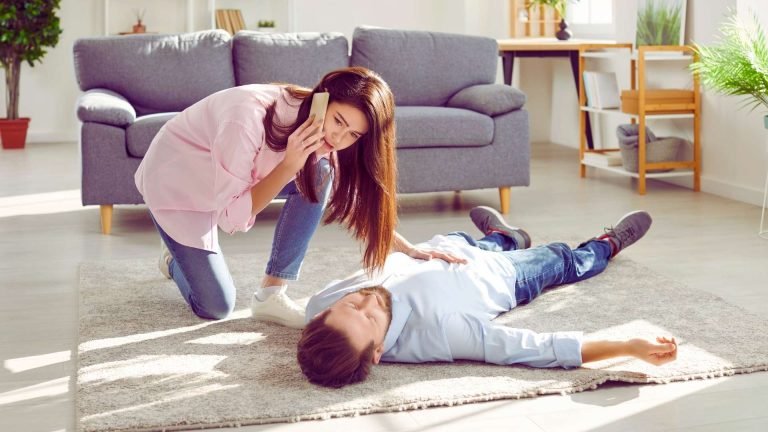
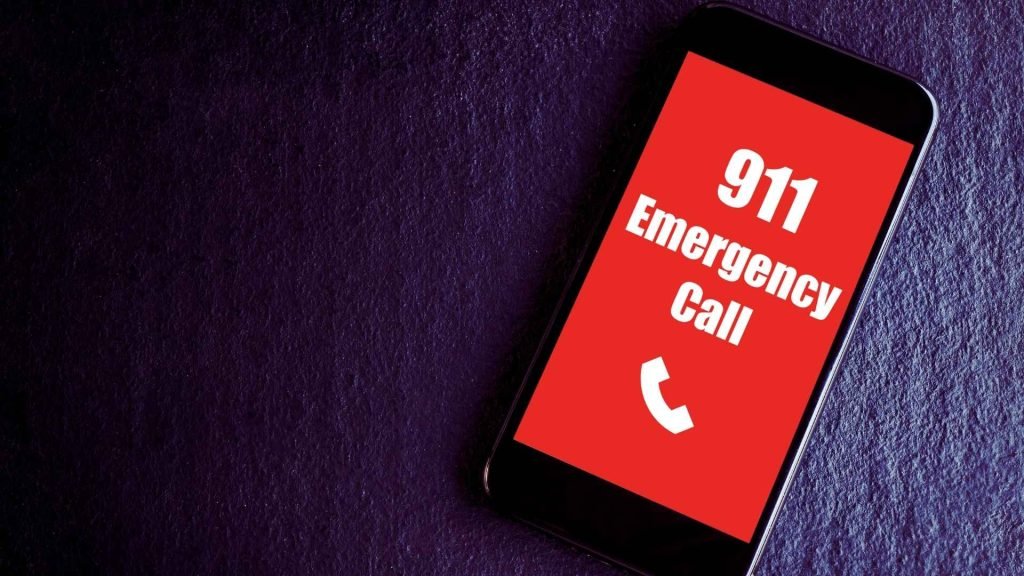
- Step 1: Call 911 right away. If you’re alone and naloxone is in your hand, give the first dose immediately, then call.
- Step 2: Lay the person on their back on a flat surface. Remove the naloxone nasal spray from its packaging.
- Step 3: Place the nozzle tip into one nostril. Press the plunger firmly to deliver the full dose of naloxone.
- Step 4: If the person doesn’t respond within 2 to 3 minutes, give a second dose in the other nostril. This can be common with potent or long-acting opioids, or if a large amount was taken.
- Step 5: If the person begins breathing on their own, place them in the recovery position on their side. Stay with them until first responders arrive.
Naloxone is available as a nasal spray and an injection. The nasal spray is easier to access and simpler to use, which is why most community programs distribute this version.
How to Recognize an Opioid Overdose
Time matters when someone overdoses. Brain damage can occur as few as 4 minutes without oxygen. The following are the signs and symptoms of an overdose that you need to be aware of:
| What to Look For | What It Means |
| No or very slow breathing | The brain isn’t getting enough oxygen |
| Gurgling sounds or choking | The airway may be blocked |
| Blue or gray lips, fingertips, or skin | Lack of oxygen in the body |
| Limp body, unable to respond | Loss of consciousness |
| Pinpoint pupils | Classic opioid effect |
| Slow heartbeat or no pulse | The cardiovascular system is shutting down |
You might worry that you’re wrong about what’s happening. Maybe it’s not an overdose at all, you think. Maybe you’ll look foolish or make things worse. The most important thing to remember is: when in doubt, administer naloxone.
Naloxone won’t harm someone who hasn’t taken opioids. If you’re unsure whether someone is experiencing an overdose, use it anyway. Acting quickly prevents overdose death and reduces the risk of brain damage. Hesitation costs lives, and you’ll never regret trying to save someone.
What Happens After Naloxone Administration
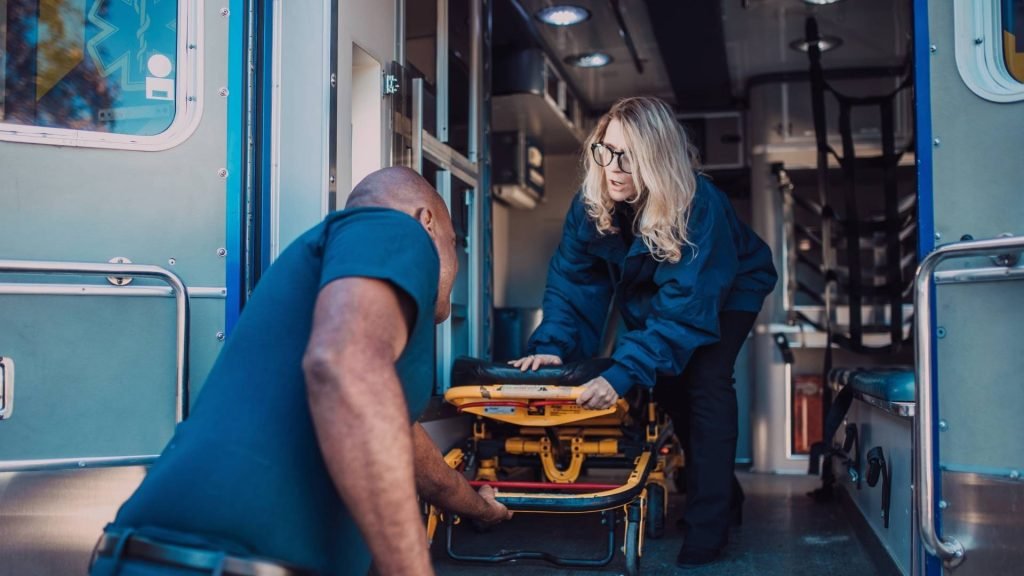
Naloxone doesn’t fix everything. It buys time, and that time matters more than almost anything else.
Why Emergency Medical Assistance Is Still Essential
The medication wears off in 30 to 90 minutes, but drugs like heroin, fentanyl, and morphine can stay active in someone’s system much longer. If more drugs are still present, the person overdoses again once the naloxone stops working. That’s why calling 911 isn’t optional, even if the person wakes up and seems fine. Emergency room evaluation can catch complications you can’t see, including increased blood pressure, breathing problems, and other medical emergencies that require professional care.
What to Expect as Naloxone Takes Effect
The person may wake up confused or agitated. Withdrawal symptoms start almost immediately and are uncomfortable: nausea, body aches, runny nose, sweating, and restlessness. None of this is life-threatening, but it can be distressing to watch. Agitation can be intense, so be sure to give the person space and prioritize safety until EMS arrives. First responders and emergency medical professionals know how to manage these symptoms and provide comfort while ensuring the person remains stable.
The Emotional and Physical Aftermath
Survival is only the beginning. Medical help ensures the person is truly safe and addresses any complications from the overdose itself. This moment also opens a door to conversations about treatment and recovery, though those conversations don’t need to happen immediately. What matters most in the hours after an overdose is medical evaluation, physical safety, and support rather than judgment.
Preparing Yourself Emotionally to Respond
Fear is normal. The thought of witnessing an overdose and being the person responsible for responding is overwhelming. Common fears include:
| Fear | Reality |
| “What if I panic?” | Your instinct to help is stronger than fear. Focus on one step at a time. |
| “What if I mess this up?” | Naloxone is simple to use. Doing something is always better than doing nothing. |
| “What if they’re angry when they wake up?” | Withdrawal can cause agitation. This isn’t personal; it’s just the medication working. |
| “What if I’m accused of drug possession?” | Good Samaritan laws protect people who call 911 and administer naloxone during an overdose. |
Most states (and D.C.) have overdose Good Samaritan protections, but the details vary. In general, these laws are meant to reduce fear of calling 911 by offering protection from certain drug possession charges when someone seeks emergency help.
Naloxone Saves a Life, But Treatment Helps Rebuild It
Naloxone is an emergency treatment, not a cure. It gives someone another chance, but what they do with that chance requires more than a single dose of medication.
Surviving an overdose creates an opportunity for change. Treatment addresses the root causes: trauma, opioid use disorder, co-occurring mental health disorders, and the patterns that led to substance use in the first place. Recovery involves evidence-based care, medication management when appropriate, therapy, and community support that extends well beyond initial stabilization.
This isn’t about pressure or conversion. It’s about information. Overdose survival is a second chance, and getting help can turn that chance into lasting change. People rebuild their lives after addiction every day through personalized care that addresses their specific needs and circumstances.
Knowing How to Administer Narcan Could Save Someone You Love
You now know how to recognize the signs and symptoms, administer naloxone correctly, call 911, and stay with someone until emergency help arrives. You understand what happens after the medication takes effect and how to manage your own fears in a medical emergency. Most importantly, you know that acting quickly gives someone the best possible chance of survival.
If you or someone you love has survived an overdose, Bright Paths Recovery offers compassionate, personalized treatment that addresses addiction and co-occurring mental health conditions. Our evidence-based programs support long-term recovery through medical care, therapy, and whole-person healing. Contact us today to learn more about how we help people rebuild their lives after addiction. Naloxone saves lives, and we help rebuild them.