

You might find yourself sitting in a quiet room, wondering how your life became so centered around drugs. The weight of choices feels heavy, and the path forward looks like a blur of medical terminology and strange buildings. You’re likely feeling a mix of fear, exhaustion, and a quiet hope that things can finally change.
Entering a residential treatment program is a brave step toward reclaiming the person you used to be before the fog of addiction took over. This level of drug treatment provides a sanctuary where you can focus entirely on healing without the distractions of your daily environment. This guide will walk you through what to expect from the moment you walk through the doors until you’re ready to transition back home.
Defining Residential Drug Treatment

Residential drug treatment is live-in care that provides you with 24/7 supervision and clinical support. You’ll stay in a professional facility where your safety and health are the primary focus of every staff member. This environment is specifically designed to stabilize your physical body and your mind after a period of heavy use.
Many people choose a residential drug rehab after they’ve completed a medically supervised detox. Detox helps you safely manage withdrawal symptoms and stabilize medically. Residential treatment then gives you time and structure to address the patterns and factors that keep substance use going. It’ll provide more structure than you’d find in outpatient care or a partial hospitalization program.
There are several specific advantages to choosing this path to recovery:
- You’ll have access to round-the-clock staff support to manage any lingering withdrawal symptoms or sudden cravings.
- Daily schedules include individual and group therapy to help you process your emotions in real time.
- The facility offers a completely substance-free environment that removes the immediate triggers of your home life.
- Your care team coordinates all of your medical and clinical needs, so you don’t have to manage them alone.
These benefits create a protective bubble that allows your brain to begin healing from the effects of drug abuse. You won’t have to worry about the stressors of work or household chores while you’re in this stage of your journey.
Identifying Who Residential Drug Treatment Is Designed For
Residential addiction treatment is specifically created for individuals who find it difficult to stay sober in an unstructured home environment. It’s often the best choice for those who are experiencing a loss of control over their daily lives. Consider the following signs that suggest a residential treatment program might be the right fit for your current needs.
- You’ve experienced a relapse after participating in an outpatient program.
- Your substance use is escalating despite your best efforts to cut back or stop.
- You’re experiencing significant anxiety or depression that makes it hard to function without using a substance.
- Safety concerns related to your drug use have become a regular part of your life.
If these situations sound familiar, you’re not alone in your struggle. Millions of Americans face these same challenges every year. According to the 2023 National Survey on Drug Use and Health by SAMHSA, 48.5 million people ages 12+ (17.1%) had a past-year substance use disorder.
Determining If Another Level of Care Is Appropriate
There are times when a different level of care might be a better match for your specific situation. Some individuals are clinically stable enough to benefit from outpatient care while living at home. This often depends on the strength of your local support system and your current level of physical dependence.
A professional assessment with an admissions team will help you decide which path is safest. They’ll look at your history and your current symptoms to make a recommendation that prioritizes your health. You’ll want to be honest during this process so you get the exact type of help that’ll lead to successful outcomes.
Navigating The Admissions And Intake Process
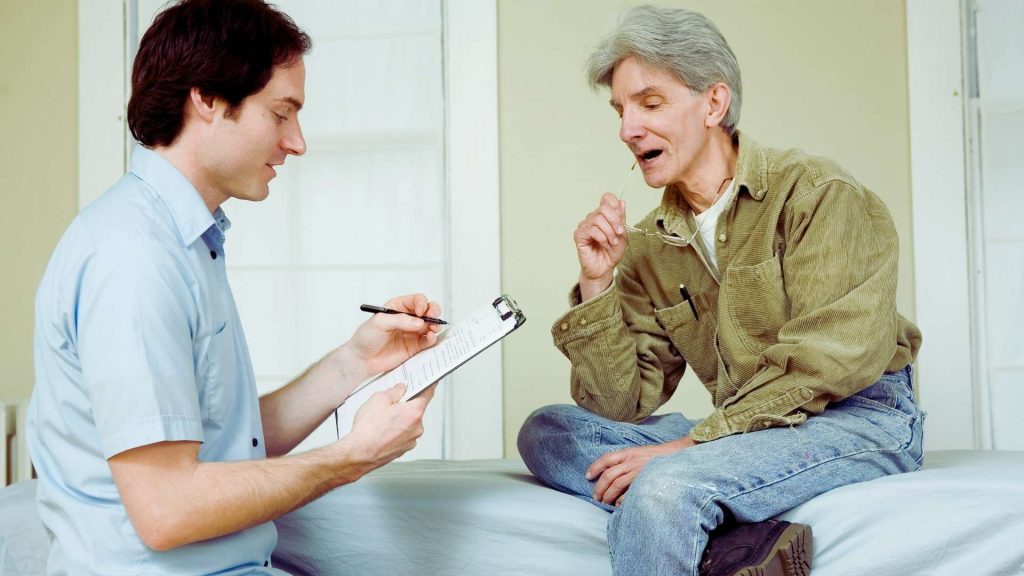
When you first arrive at a residential drug treatment facility, the process begins with a warm welcome and a thorough intake. You’ll meet with clinicians who want to understand your unique story and your medical needs. The initial clinical assessment covers several key areas of your life to make sure nothing is missed. The following list outlines what the care team typically reviews with you on your first day.
- Your complete substance use history and any previous attempts at recovery.
- Any current mental health symptoms you’re experiencing, like panic or persistent sadness.
- A review of your current medications and any chronic medical conditions that require attention.
Once the paperwork is finished, you’ll receive an orientation to the daily program. You’ll be introduced to the care team members who will be facilitating your counseling sessions. They’ll help you settle into your room and explain the community’s safety guidelines.
A Day In The Life Of A Resident
Life in residential rehab follows a predictable daily schedule that helps you rebuild a sense of order. When your life has been chaotic due to substance use, this routine acts as a stabilizing force for your nervous system. You’ll find that having a set time for meals and therapy reduces the stress of making constant decisions.
Each day is designed to balance hard clinical work with periods of rest and reflection. You’ll spend time with others facing similar challenges, which helps reduce feelings of isolation. The following table provides an example of how your time might be structured throughout the week.
| Time of Day | Typical Activities | Focus of Care |
| Morning | Wake-up, breakfast, morning check-ins | Establishing a healthy routine |
| Late Morning | Group therapy or educational sessions | Developing new social skills |
| Afternoon | Individual therapy or clinical appointments | Working on personal goals |
| Evening | Recovery activities or downtime | Processing the day’s emotions |
| Night | Wind-down and consistent bedtime | Prioritizing physical rest |
Your treatment plan will be adjusted as you make progress and your health improves. This structure allows you to build the discipline you’ll need when you eventually return home.
Clinical Support And Therapeutic Approaches

Residential treatment programs often utilize evidence-based treatments to help you heal the underlying causes of addiction. You’ll participate in behavioral therapy sessions that help you identify the thoughts and feelings that lead to drug use. These sessions are led by licensed professionals who specialize in substance abuse treatment.
Individual therapy provides a private space to discuss your life experiences and personal traumas. You’ll work one-on-one with a counselor to develop practical coping skills for the future. Group therapy provides a peer community where you can practice these skills in a safe and supportive environment.
Many programs integrate mental health treatment directly into the daily schedule to address co-occurring disorders. The following list describes how clinicians manage your mental health symptoms alongside your addiction recovery.
- Regular psychiatric evaluations help the care team monitor your progress and adjust your care.
- Doctors may prescribe medications to help manage symptoms of depression or anxiety if they’re needed.
- Specialized counseling sessions focus on emotional regulation and healthy communication.
You also may have the opportunity to participate in family therapy. These meetings help heal the relationships with your family members that may have been strained by substance use. Building these bridges is essential to creating a strong support network for your life after treatment.
Measuring Your Progress And Length Of Stay
The amount of time you spend in residential drug abuse treatment isn’t set in stone. While many programs offer 30, 60, or 90-day options, your stay will depend on your specific progress. Your care team will regularly evaluate how you’re responding to the therapies and support offered.
They’ll look for signs that you’re ready to take the next step in your recovery journey. This includes showing an ability to use your new coping skills when you’re feeling stressed or overwhelmed. You’ll work together to determine when you’re ready to transition to a lower level of care, such as an outpatient program.
As you move toward the end of your stay, you’ll start working on a detailed aftercare plan. This plan might include connections to local support groups, such as SMART Recovery, or continued counseling. Having these resources in place will help you maintain the successful outcomes you worked so hard for during treatment.
Finding Strength In Structured Care
Entering residential drug treatment is a significant life transition that requires courage and a willingness to accept assistance. The structure and professional support you’ll receive are designed to help you stabilize your life and build a foundation for long-term health. While the journey isn’t always easy, the peer community and clinical resources available will guide you through the most difficult moments.
If you’re ready to start your journey toward a healthier future, the first step is just a phone call away. You don’t have to navigate the complexities of addiction or mental health conditions by yourself. Reach out to our compassionate team at Bright Paths Recovery by visiting our contact page to learn more about our programs.