

When comparing Xanax vs. Ativan, it helps to know that both belong to a class of drugs called benzodiazepines. These two medications are commonly prescribed to treat anxiety disorders, but they differ in potency, speed of action, and duration of effects. If you or a loved one is struggling with benzodiazepine use, professional substance abuse treatment can provide the support needed. Understanding the key differences between lorazepam and xanax helps healthcare providers create tailored treatment plans.
What Are Ativan and Xanax?
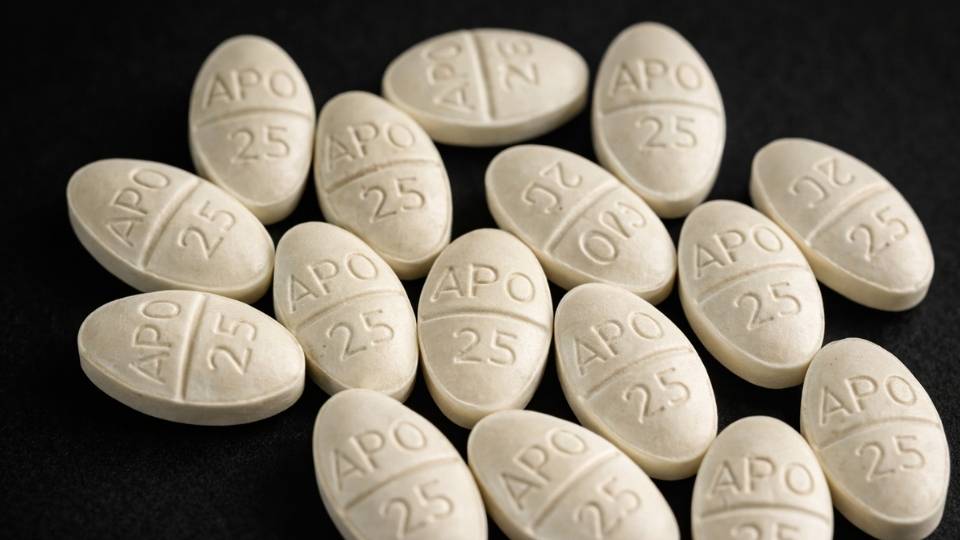
Ativan (lorazepam) and Xanax (alprazolam) are each a benzodiazepine medication used primarily for treating anxiety disorders. Xanax is FDA-approved for anxiety disorders and panic disorders, while lorazepam is also used for anxiety, though approved uses can vary by formulation.
Both Ativan and xanax enhance the effects of gamma-aminobutyric acid GABA in the brain, a neurotransmitter that calms the nervous system. By binding to GABA A receptors, these two medications increase the calming effect throughout the central nervous system, reducing overactive nerve signals that contribute to anxiety symptoms.
Ativan vs Xanax: How These Medications Treat Anxiety Disorders
Healthcare providers prescribe Xanax and Ativan to treat anxiety across a range of mental health conditions. Xanax is particularly effective for panic attacks, and its rapid onset makes it ideal when relief from panic symptoms is needed.
Ativan may provide somewhat longer relief than Xanax in some situations. Its calming effect can last longer, making it useful in certain cases where a longer window of symptom relief is needed.
When comparing ativan vs xanax for anxiety disorders, healthcare providers consider whether the patient experiences intermittent anxiety or persistent symptoms before recommending a specific benzodiazepine medication.
Relieving Anxiety Symptoms With Benzodiazepines
For individuals experiencing acute anxiety episodes, the rapid onset of Xanax, often within about 30 minutes, provides fast relief during panic attacks, where acute symptoms escalate rapidly. Both Xanax and Ativan reduce the nervous system’s overactivity, but their differing timelines make each suited for different scenarios.
Ativan also begins working fairly quickly, though timing can vary depending on the individual and formulation. Because Ativan may last longer than Xanax in some cases, it can provide a more prolonged calming effect.
The Role of Mental Health in Medication Decisions
Mental health plays a central role in determining which medication is appropriate. A mental health professional will assess symptom severity, co-occurring conditions, medication response history, and overall mental health before prescribing either benzodiazepine.
Individuals with a history of substance use disorders face a higher risk of developing dependence. The risk is greater for those who use these medications outside of medical guidelines, which is why professional medical advice is essential before starting any treatment plan.
Addressing Mental Health Conditions With the Right Approach

Managing anxiety disorders effectively often requires more than medication alone. Cognitive behavioral therapy and mindfulness-based stress reduction can enhance therapeutic outcomes when used alongside benzodiazepine treatment.
For those dealing with anxiety and addiction simultaneously, healthcare providers balance symptom relief with minimizing risks of dependence. Alternative treatments and relaxation techniques can complement or replace benzodiazepine use.
Ativan vs Xanax: Onset of Action and Duration
One of the most significant key differences in the ativan vs xanax comparison involves their onset of action and duration of effects.
How Quickly They Work
When evaluating Ativan vs. Xanax for treatment options, Xanax has a faster onset of action, often within about 15 to 30 minutes after oral administration, making it effective for sudden anxiety or panic disorders. Ativan also works fairly quickly but may offer a somewhat longer window of relief in some cases.
For individuals who need immediate relief from panic episodes, the rapid onset of vs xanax is a clear advantage. For those who may benefit from somewhat longer symptom relief from a benzodiazepine, Ativan may be considered.
Duration and Half-Life Differences
The effects of Xanax usually last about 4 to 6 hours, giving it a shorter duration and shorter half-life compared to Ativan. This means the medication leaves the body more quickly, which can lead to rebound anxiety or symptoms between doses in some people.
Ativan may last somewhat longer than Xanax, and its half-life is generally longer as well. The half-life of each medication also affects withdrawal timelines and tapering strategies.
| Feature | Xanax (Alprazolam) | Ativan (Lorazepam) |
|---|---|---|
| Speed of Effect | 15–30 minutes | Fairly quick onset |
| Duration of Effects | 4–6 hours | May last somewhat longer |
| Half Life | Around 11 hours on average | ~10–20 hours |
| Potency | More potent per milligram | Less potent per milligram |
| Primary Use | Anxiety disorder, panic disorder | Anxiety-related uses vary by formulation |
| Liver Metabolism | Heavily metabolized by liver | Less reliant on liver metabolism |
| Oral Administration | Standard | Oral and injectable |
| Rebound Anxiety Risk | May be higher | May be lower |
Managing Persistent Anxiety With Benzodiazepines
For chronic anxiety, clinicians must weigh ongoing relief against the risks of long-term use. Compared to other benzodiazepines, xanax and Ativan can be effective for managing anxiety symptoms, but extended use increases the chance of dependence. Treating long-term anxiety often requires combining medication with therapy approaches for addiction recovery.
In severe cases, higher doses may be needed for adequate relief, but this raises the risk of impaired coordination, mental confusion, and drowsiness. Clinicians recommend the lowest effective dose for the shortest duration to minimize risks.
Addiction Treatment and Benzodiazepine Dependence
Both Ativan and Xanax have a potential for addiction and should be used cautiously under medical supervision to minimize risks. Addiction treatment is critical for anyone using these medications regularly at elevated doses.
Benzodiazepines can lead to physical dependence, and abrupt cessation can cause withdrawal symptoms such as insomnia, irritability, and increased anxiety. Severe withdrawal symptoms, including seizures, can occur without proper oversight. This is why medical detox is strongly recommended.
Recognizing Benzodiazepine Dependence
Signs of benzodiazepine dependence include needing higher doses to achieve the same calming effect, experiencing symptoms between doses, and feeling unable to function without the medication. Early intervention can improve treatment outcomes significantly.
Common side effects of both Ativan and Xanax include:
- Drowsiness and excessive sedation
- Dizziness and impaired coordination
- Tiredness and fatigue
- Blurred vision
- Mental confusion and difficulty concentrating
Both medications can affect mood, alertness, and emotional responsiveness, and individual reactions vary.
Key Differences Between Lorazepam and Xanax
The key differences between lorazepam and Xanax extend beyond how quickly they take effect and their duration of action. Xanax has a comparatively shorter half-life and is more potent than Ativan, which affects its use in various clinical scenarios.
Potency and Dosage
Xanax is considered more potent than Ativan on a milligram-for-milligram basis, meaning lower doses of Xanax produce similar effects to higher doses of Ativan. While beneficial for quick relief of anxiety, this potency also contributes to a greater risk of dependence.
Both Ativan and Xanax dosages should be carefully calibrated by healthcare providers to find the minimum effective dose for adequate anxiety management while reducing dependence risks.
Side Effects and Risks
Mixing either Xanax or Ativan with alcohol or opioids is extremely dangerous and can lead to fatal respiratory depression. Both medications depress the central nervous system, and combining them with other depressants amplifies this effect.
Ativan is less reliant on liver metabolism, which may make it a preferred option in certain liver-related situations. However, benzodiazepines in general still require caution in older adults because of increased risks of falls, sedation, and cognitive impairment.
Risks associated with long-term use of ativan vs xanax include:
- Tolerance and dependence
- Cognitive decline and impaired coordination
- Increased risk of falls in older adults
- Rebound anxiety upon discontinuation
- Potential for misuse and addiction
Safe Use and Medical Supervision
Xanax and Ativan require careful medical supervision throughout treatment. Healthcare providers monitor for signs of dependence, adjust dosages, and develop strategies for discontinuation when appropriate.
For individuals already experiencing signs of dependence, seeking support from a Xanax detox program can provide the structured environment and medical oversight needed for safe withdrawal.
Gradual Tapering and Withdrawal Management
Gradual tapering is the recommended approach for discontinuing xanax and Ativan. Abruptly stopping either medication can trigger severe withdrawal symptoms, including seizures. A structured tapering schedule helps minimize withdrawal symptoms.
Healthcare providers may incorporate non-addictive anxiety medication options as part of the step-down plan to address both physical and psychological components of dependence.
Alternative Treatments for Anxiety Management
Effective anxiety management often extends beyond medication. Therapeutic alternatives play a vital role in reducing reliance on benzodiazepines, especially since both xanax and Ativan work by enhancing gamma-aminobutyric acid activity in the brain.
CBT and Holistic Approaches
Cognitive behavioral therapy is one of the most effective treatment options for anxiety disorders. CBT helps individuals challenge thought patterns that fuel panic symptoms and anxiety. Mindfulness-based stress reduction and relaxation techniques can further enhance therapeutic outcomes.
For individuals in recovery, a strong aftercare plan for substance abuse that includes therapy and ongoing support is crucial. Individual therapy for addiction can address the underlying mental health conditions that contribute to both anxiety and substance use.
FAQs About Xanax vs Ativan
What Are the Key Differences in Onset of Action Between Lorazepam and Xanax?
Xanax typically has a quicker onset of action, often within about 15 to 30 minutes, making it effective for acute anxiety or acute panic attacks. Ativan also works fairly quickly. This makes Xanax more suitable for rapid relief, while Ativan may provide somewhat longer-lasting relief in some situations after oral administration.
Can Ativan and Xanax Lead to Dependence?
Yes. Both ativan and xanax can lead to dependence, especially with prolonged use or higher doses. Benzodiazepine dependence develops as the body adapts to the medication, requiring increasing amounts to achieve the same calming effect. A slow taper under medical supervision is essential to minimize withdrawal symptoms.
Which Medication Is Better for Chronic Anxiety vs Acute Panic Attacks?
Ativan vs xanax comparisons often come down to the type of anxiety being treated. Xanax, with its faster onset and shorter duration, is better suited for acute anxiety episodes and panic disorders. Ativan may provide somewhat longer relief in some cases. A mental health professional can determine which fits your treatment plan, and long-term anxiety management often relies on therapy and non-benzodiazepine treatments rather than ongoing benzodiazepine use.
Taking the Next Step Toward Recovery
Understanding the differences between Ativan vs Xanax is important for managing anxiety and mental health. Whether you need help tapering off a benzodiazepine or exploring personalized recovery programs, professional guidance makes all the difference.
If dependence has become part of your story, you are not alone. Professional treatment at Bright Paths Recovery offers compassionate care designed to help you build a foundation for lasting recovery. Explore our step-by-step guide to treatment or learn more about the difference between Xanax and Ativan to take your next step.