
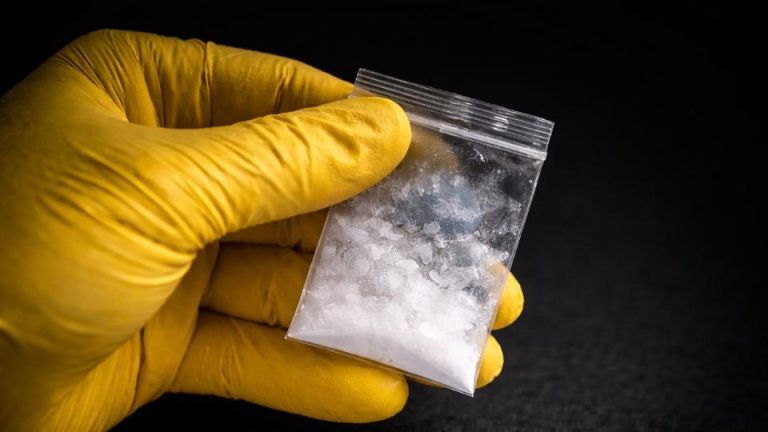
Methamphetamine is one of the most dangerous stimulant drugs in the United States, and knowing what it looks like could save a life. Whether you are a concerned parent or someone struggling with substance use, learning to identify methamphetamine is a critical first step. Methamphetamine is found in several different forms, primarily distinguished by their appearance, color, and texture, influenced by the production method and chemical additives. If you or a loved one is battling meth addiction, professional meth treatment can provide the structured support needed to begin recovery.
Long-term meth use can lead to lasting brain and mental health effects and severe physical deterioration, making it one of the most dangerous drugs to abuse. Understanding what this dangerous drug looks like and the street names it goes by empowers you to take action before substance abuse spirals further.
What Does Meth Look Like?
Meth can look different depending on how it was manufactured and what chemical additives were involved. The meth identification process means recognizing that crystal meth, powder meth, pill form meth, liquid meth, and base meth each have distinct characteristics. Because the meth looks so different between batches, many people confuse meth with everyday household items, which makes proper identification essential.
Some illicit meth may be contaminated or mixed with fentanyl, which cannot be identified by sight alone. This reality makes understanding the visual appearance of meth even more urgent for anyone who suspects drug exposure in their home. For a broader understanding of its chemical history and why its potency varies so significantly, you can read our complete guide on what crystal meth is
How to Identify Methamphetamine by Form
Learning to identify methamphetamine requires understanding its various physical presentations. The meth look of crystal methamphetamine changes depending on purity, the toxic chemicals used during production, and whether it has been cut with other substances. Because methamphetamine use is so widespread, recognizing each form of crystal methamphetamine is vital.
Crystal Meth: The Most Recognizable Form

Crystal meth typically appears as shiny, glass-like rocks or fragments, often in clear, white, or bluish hues, which is why it is sometimes referred to as “ice” or “glass.” This form is often smoked using glass pipes or a meth pipe. Smoking crystal meth delivers the drug rapidly to the brain, producing an intense high.
Pink, blue, and yellow coloring in meth may be due to impurities or dyes used during production, and does not indicate higher quality. Abusing crystal meth carries extreme health consequences, and crystal meth abuse is closely linked to rapid decline. Glass-like residue in a loved one’s belongings, especially alongside paraphernalia, may suggest crystal meth use.
Being able to identify the substance is vital because the physical transformation it causes happens rapidly, as evidenced by these crystal meth before and after photos showing the extent of the damage.
Meth in Powder Form
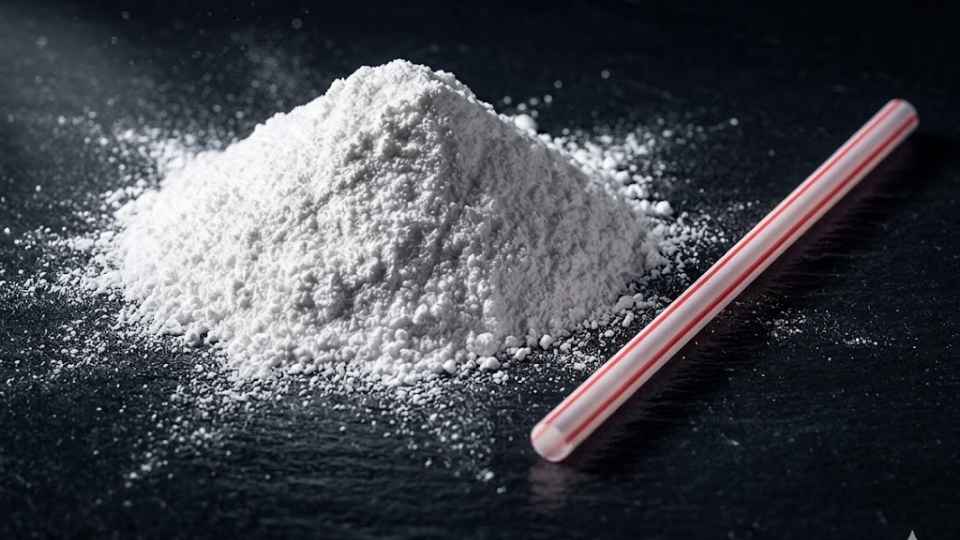
Powder meth appears as a fine, white, or off-white powder that can be mistaken for other substances like flour or powdered sugar, and its color can vary to include shades of yellow, pink, or light brown depending on purity and additives. Powdered meth is commonly snorted, swallowed, or used to inject methamphetamine.
Powdered meth in powder form can also carry a bitter taste. The off-white powder appearance makes meth identification challenging. Never taste, smell closely, or handle an unknown substance to identify it. Crank, a version of powdered meth considered more impure, will appear similar ot other powdered meth forms.
Pill Form Meth and Common Street Names
Meth can also be found in pill form, often referred to as “yaba,” which can vary in color and is sometimes used medicinally for conditions like ADHD, though it is more commonly abused for its stimulant effects. Pill form meth tablets may be brightly colored and designed to look like legitimate prescription medication.
Illicit meth is often pressed into small tablets that can mimic pharmaceutical medications, making them particularly dangerous. Street names for methamphetamine include ice, glass, crank, speed, and Tina. Recognizing these street names can help you identify meth references in conversation.
Liquid and Base Meth

Liquid meth is a less common form of methamphetamine and may appear as a clear or yellowish liquid. Base meth is sometimes described as having a waxy, oily, or pasty texture and can vary in color from white to brown.
Compressed meth is a less refined form that may appear as a wet, waxy, or sticky substance with a yellowish to white color. Residue from smoked meth leaves a sticky, amber, or yellow-brown film on paraphernalia.
Is Crystal Meth Legal Under Federal Law?
Crystal meth’s legal status is clear. Methamphetamine is classified as a Schedule II controlled substance under the Controlled Substances Act. This classification by the Drug Enforcement Administration means it has a high potential for drug abuse and severe addiction. The Drug Enforcement Administration has documented widespread production using toxic chemicals. These labs produce a controlled substance that poses an enormous risk through chemical exposure.
How to Identify Meth Compared to Other Substances
One of the biggest dangers is how easily someone can confuse meth with other common powders or pills. Below is a reference table to help identify meth:
| Meth Form | Appearance | Color | Texture | Common Use Method |
|---|---|---|---|---|
| Crystal Meth | Glass-like shards | Clear, white, bluish | Hard, crystalline | Smoking, injecting |
| Powder Meth | Fine powder | White, off-white, yellow, pink | Soft, powdery | Snorting, injecting |
| Pill Form | Small pressed tablets | Various colors | Smooth, solid | Swallowing |
| Liquid Meth | Liquid | Clear, yellowish-brown | Wet, viscous | Less common form |
| Base Meth | Waxy or pasty clump | White to brown | Sticky, oily | Less commonly encountered |
Methamphetamine can be identified by its specific appearance and the presence of paraphernalia like glass pipes. When trying to identify meth, always consider context and associated drug paraphernalia. If you suspect drug exposure, do not handle unknown substances.
Physical Signs of Meth Use
Physical signs of methamphetamine use include enlarged pupils, hyperactivity, restlessness, and a pronounced increase in energy levels, often leading to decreased appetite and significant weight loss. Over time, visible signs become harder to conceal.
Behaviorally, individuals under the influence may display intense euphoria and talkativeness, but can also experience agitation and paranoia. Signs of meth use often escalate quickly; recognizing them early is critical. Prolonged crystal meth and methamphetamine use reshape behavior in alarming ways. Learn more about overcoming stimulant addiction.
Key warning signs include:
- Severe weight loss and decreased appetite
- Skin sores and infections from repeated picking
- Meth mouth (severe dental decay)
- Dilated pupils and rapid eye movement
- Paranoia, hallucinations, and erratic behavior
- Burns on fingers or lips from smoking meth
Methamphetamine is associated with severe short-term health risks such as elevated heart rate, hyperthermia, and psychosis, as well as long-term effects including cognitive decline, cardiovascular issues, and extreme physical deterioration. Methamphetamine use can result in serious physical problems, including organ damage, mental illness, and an increased risk of overdose and death, causing lasting physical harm.
Click HERE to learn more about overcoming stimulant addiction.
Glass Pipes and Common Drug Paraphernalia
Common paraphernalia associated with meth use includes glass pipes, burnt spoons, syringes, and hollowed-out pens, which can indicate consumption methods such as smoking or injecting. A meth pipe typically has a bulbous end with burn marks or white residue inside.
Other drug paraphernalia to watch for includes:
- Tin foil with burn marks or residue
- Small plastic bags with powder residue
- Broken glass from shattered pipes
- Tourniquets or rubber tubing near syringes
If you find these items, approach with compassion. Learning about what to expect in treatment can help start that conversation.
Health Risks and Long-Term Effects of Meth Abuse
Meth abuse takes an enormous toll on the body. Chronic meth use accelerates physical aging, and the meth look of long-term users becomes unmistakable. Mental health issues are deeply intertwined with crystal meth addiction and meth addiction. Substance use disorder involving methamphetamine frequently co-occurs with mental health disorders such as depression and psychosis. Understanding dual diagnosis treatment is essential.
Substance use involving meth continues to rise, particularly when combined with other substances like fentanyl. Understanding the effects of fentanyl is critical. Drug abuse and untreated mental health issues fuel continued methamphetamine addiction and severe health risks.
Identifying the drug by sight is only the first step; it is equally important to recognize the deep consequences of methamphetamine use on both the body and mind that occur with sustained use.
Treatment Options for Meth Addiction
Meth addiction treatment typically involves counseling and therapy to address both physical and psychological aspects of addiction, along with supportive care during withdrawal when needed. Recovery from crystal meth addiction is possible with the right support. Substance abuse treatment programs provide comprehensive care for drug addiction and meth abuse.
Addiction treatment for crystal methamphetamine begins with stabilization and progresses through increasingly independent levels of care. Meth addiction treatment should address meth withdrawal symptoms from ongoing meth use, including intense cravings, fatigue, and depression.
Medical Detox and Withdrawal Management
Medical detox for meth addiction treatment safely manages withdrawal symptoms under professional supervision, ensuring a stable transition into further treatment. A supervised drug detox program provides medical monitoring and medications to ease discomfort. Understanding detox versus rehab helps set realistic expectations. Withdrawal symptoms should always be managed by trained professionals.
Behavioral therapies play a central role in recovery. Evidence-based approaches may include counseling, cognitive behavioral therapy, and contingency management. Exploring different types of therapy for addiction recovery can help you find what works best.
Stopping the cycle of use requires professional help, and knowing what to expect during methamphetamine withdrawal can help you prepare for the challenges of early recovery
Inpatient and Outpatient Treatment Programs
Inpatient treatment for meth addiction offers a structured environment with 24/7 care. Residential and outpatient treatment both play important roles in recovery. Explore inpatient vs. outpatient treatment to understand the differences.
Outpatient treatment programs allow individuals to receive therapy while living at home, offering flexibility for those with less severe addiction. Outpatient programs may include individual therapy and group counseling. Learning about PHP vs. IOP programs can determine the right level of support.
Choosing a Meth Addiction Treatment Facility
Finding the right meth addiction treatment facility is crucial. Look for evidence-based therapies, experienced staff, and a continuum of care from medical detox through aftercare. Many facilities work with most major insurance providers. Effective addiction treatment incorporates personalized approaches and a clear aftercare plan for long-term sobriety
When and How to Seek Treatment
If someone you love is struggling, the decision to seek treatment is the most important step. Severe addiction to crystal methamphetamine can feel overwhelming, but recovery is within reach. Aftercare for meth addiction involves ongoing support, including sober living, group therapy, and counseling to prevent relapse.
Starting the journey toward a substance-free life begins with reaching out. Contact Bright Paths Recovery’s meth treatment program today to learn how we can help you build a substance-free life free from methamphetamine. Major insurance providers are accepted, and treatment for meth is available now.
What Does Meth Look Like? Frequently Asked Questions
How Can I Tell the Difference Between Meth and Other White Powders?
Meth powder is often a fine off-white powder, but many substances can look similar. Never taste or handle an unknown substance; contact authorities for safe handling and drug exposure prevention. Once use has occurred, the body begins the processing of the substance; many individuals and families find it useful to know how long methamphetamine stays in your system for detection and safety purposes.
What Are the Earliest Physical Signs That Someone Is Using Meth?
Early signs of meth use include sudden weight loss, decreased appetite, dilated pupils, and erratic sleep. You may also notice meth mouth developing over time. These visible signs worsen over time, so early recognition is vital for connecting your loved one with substance use disorder support and mental health services administration resources.
What Should I Do If I Find Drug Paraphernalia Like Glass Pipes?
Finding glass pipes, a meth pipe, or other drug paraphernalia can be alarming. Approach the situation calmly. Avoid handling items directly, as residue and sharp objects can cause physical harm. Explore treatment options at a trusted facility and have an honest conversation. Professional guidance makes a difference in navigating these difficult moments.