

If you’ve been drinking heavily and are wondering how to detox your liver from alcohol, you’re asking one of the most clinically important questions in early recovery. The liver is the primary organ responsible for metabolizing alcohol, and prolonged alcohol use can place a serious strain on it over time. The good news is that the body begins a process of recovery relatively quickly after you stop drinking, though how much improvement is possible depends on the extent of existing liver damage and how long heavy drinking continued. This article walks through what happens to your liver during alcohol use, what the detoxification process involves, and which habits may support liver health during and after recovery.
Medically Supervised
Ready to Start Your
Detox Journey?
Our Los Angeles detox program provides 24/7 medical supervision to help you safely manage withdrawal and take the first step toward recovery.
Learn About Detox →Alcohol Use and Liver Damage: What You Should Know
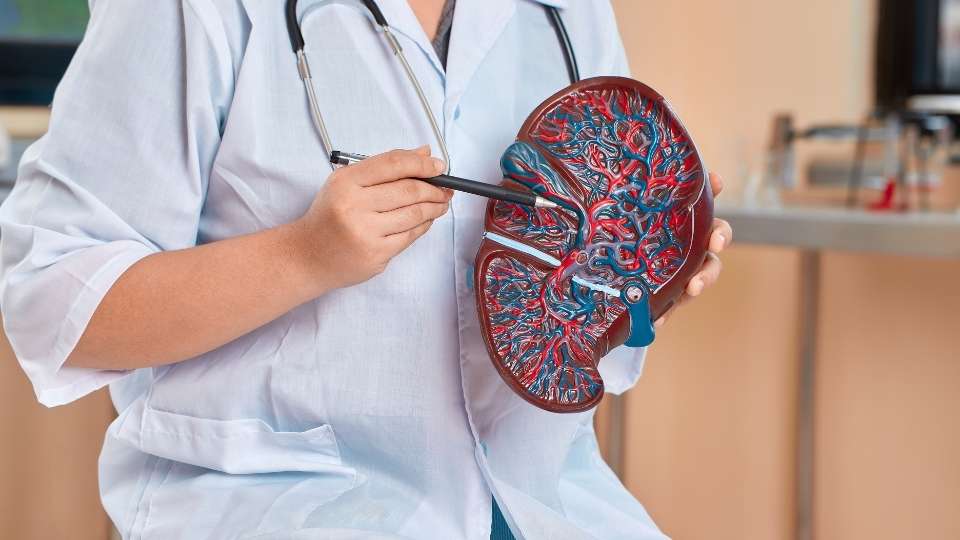
The liver performs hundreds of functions, but one of its central roles is metabolizing substances from the bloodstream, including alcohol. When you drink alcohol regularly, the liver works continuously to break it down. Heavy drinking over time can exceed the liver’s capacity to process alcohol efficiently, which can lead to a buildup of fat in liver cells, inflammation, and eventually more serious structural damage.
Liver damage related to alcohol use disorder tends to progress through recognizable stages:
- Alcoholic fatty liver disease: Fat accumulates in liver cells. This stage is often reversible with alcohol cessation.
- Alcoholic hepatitis: Inflammation of the liver, which can range from mild to severe. Severe alcoholic hepatitis can be life-threatening.
- Alcoholic cirrhosis: Scarring of liver tissue. Once cirrhosis develops, damage cannot be fully reversed for many patients, though stopping drinking can slow progression significantly. A recent paper published in the Journal of Hepatology found that abstinence can enable regeneration and recompensation for some patients, even those with advanced liver cirrhosis.
One of the challenges is that liver damage often produces few noticeable symptoms in its early stages. By the time health problems linked to the liver become apparent, significant damage may have already occurred. This is one reason healthcare providers recommend early intervention for alcohol abuse and alcohol use disorder.
Breakthroughs in Liver Re-compensation
Groundbreaking 2026 research has shifted the clinical view on cirrhosis. While previously deemed permanent, we now know “re-compensation” is achievable for one-third of abstinent patients. This process involves resolving severe complications and achieving significant functional recovery. Early, total abstinence is the decisive factor, doubling the chance of your liver’s successful regeneration.
The Critical Gut-Liver Axis
Liver health is inseparable from gut health. Alcohol damages the intestinal lining, causing “leaky gut” where toxins escape into the bloodstream and inflame the liver. Modern recovery protocols now emphasize restoring the microbiome with probiotics and fiber. Healing this gut-liver axis reduces the toxic workload, allowing your liver to regenerate more efficiently
Risk Factors for Alcohol-Related Liver Disease
Not everyone who drinks heavily develops the same degree of liver damage. Risk factors that may increase vulnerability include:
- Duration and quantity of alcohol intake
- Genetic factors affecting how the body metabolizes alcohol
- Poor nutrition associated with heavy drinking
- Existing health conditions, such as obesity or viral hepatitis
- Binge drinking patterns that place acute stress on the liver
The Alcohol Detox Process and Your Liver
When you stop drinking, the alcohol detox process begins. The body begins clearing alcohol from the system, and the liver may begin reducing inflammation and improving function, where recovery remains possible. During early detox, alcohol withdrawal symptoms may emerge as the central nervous system adjusts to the absence of alcohol.
Mild symptoms during early detox can include mild anxiety, irritability, trouble sleeping, nausea, and elevated heart rate. In some cases, alcohol withdrawal syndrome can progress to include more severe withdrawal symptoms such as seizures, hallucinations, and delirium tremens, which represents the most severe form of acute withdrawal and requires emergency medical management.
The Overlap Between Liver Health and Withdrawal Management
Liver function directly affects how the body processes medications used to ease withdrawal symptoms during detox. Impaired liver function may alter the metabolism of certain medications, which is one reason healthcare providers conduct a thorough medical assessment before beginning alcohol withdrawal treatment. Individuals with known liver damage or other medical problems related to alcohol use may require closer monitoring and modified treatment approaches during detox.
How to Detox Your Liver From Alcohol: Habits That May Support Liver Recovery After Alcohol

Once the acute detox phase is complete, several evidence-supported habits may support the liver’s natural recovery process. These are not cures and should be understood as part of a broader recovery and health strategy, ideally guided by healthcare providers.
| Habit | Why It Matters | Practical Starting Point |
|---|---|---|
| Stop drinking entirely | Removes the primary source of liver stress | Medically supervised detox for those with alcohol dependence |
| Adequate hydration | Supports overall recovery and normal kidney and metabolic function | Consistent water intake throughout the day |
| Balanced nutrition | Provides nutrients needed for tissue repair and overall health | Whole foods, reduced processed sugar, adequate protein |
| B-vitamin support | Heavy alcohol use is often linked to nutrient deficiencies, especially thiamine | Guided supplementation under medical supervision |
| Regular light movement | May support general recovery and metabolic health | Walking, gentle activity as tolerated |
| Reviewing medications and supplements | Helps reduce unnecessary liver stress | Review all medications and supplements with healthcare providers |
Nutrition and the Liver During Recovery
Heavy drinking is often associated with nutritional deficiencies that compound liver health problems. Alcohol abuse can deplete thiamine and other B vitamins, folate, and sometimes minerals such as zinc, all of which play roles in cellular repair and overall health. During the alcohol detox process and afterward, addressing these deficiencies through diet and, where appropriate, supplementation may support overall health and liver recovery.
It is worth noting that some supplements marketed as liver detox products lack strong clinical evidence. Major public health and clinical organizations recommend focusing on evidence-based treatment options rather than unverified supplements for managing alcohol-related health conditions.
When Liver Damage Requires Medical Attention
Some people entering recovery from alcohol use disorder discover liver-related health conditions that require direct medical management, separate from addiction treatment. Signs that liver health problems may require prompt evaluation by healthcare providers include:
- Jaundice (yellowing of the skin or eyes)
- Persistent abdominal discomfort or swelling
- Unusual fatigue that does not improve with rest
- Nausea that continues well beyond early withdrawal symptoms
- Confusion or changes in mental clarity, which may indicate hepatic encephalopathy
Effective treatment for serious alcohol-related liver conditions is a distinct area of medicine, and healthcare providers may recommend specific medications, dietary protocols, or, in advanced cases, evaluation for additional interventions. Substance abuse treatment and liver disease management can and should happen in coordination with one another.
The Role of Substance Abuse Treatment in Liver Recovery
Liver health cannot meaningfully improve if alcohol use continues. This is why stopping drinking is the single most impactful step a person can take for their liver, and why substance abuse treatment plays a central role in physical recovery, not just psychological wellbeing.
Structured treatment options, including residential care, individual therapy, group support, and relapse prevention planning, address the underlying patterns of alcoholism and alcohol dependency that drive continued drinking. Organizations like the Substance Abuse and Mental Health Services Administration (SAMHSA) and the National Institute on Alcohol Abuse and Alcoholism emphasize that recovery from alcohol-related health problems, including liver damage, is best supported through integrated care that treats addiction alongside its physical consequences.
| Stage of Liver Damage | Reversibility | Key Action |
|---|---|---|
| Fatty liver | Often reversible with abstinence | Stop drinking, improve nutrition |
| Alcoholic hepatitis (mild-moderate) | May improve with abstinence and treatment | Medical evaluation, alcohol cessation |
| Alcoholic hepatitis (severe) | Serious medical management required | Immediate healthcare provider involvement |
| Cirrhosis | Not reversible, but progression may slow | Sustained abstinence, ongoing medical care |
Beginning Recovery With the Support You Deserve
Knowing how to detox your liver from alcohol is only part of the picture. Lasting liver recovery depends on stopping drinking and addressing the alcohol use disorder or alcohol dependency that drives continued harm.
At Bright Paths Recovery in Northridge, Los Angeles, the alcohol detox process is medically supervised, and every client receives a personalized treatment plan that addresses both physical health and the deeper patterns of addiction. If heavy drinking has been affecting your health, reaching out to a clinical team is a meaningful next step. Contact Bright Paths Recovery to learn more about your options and begin the process of whole-person healing.