
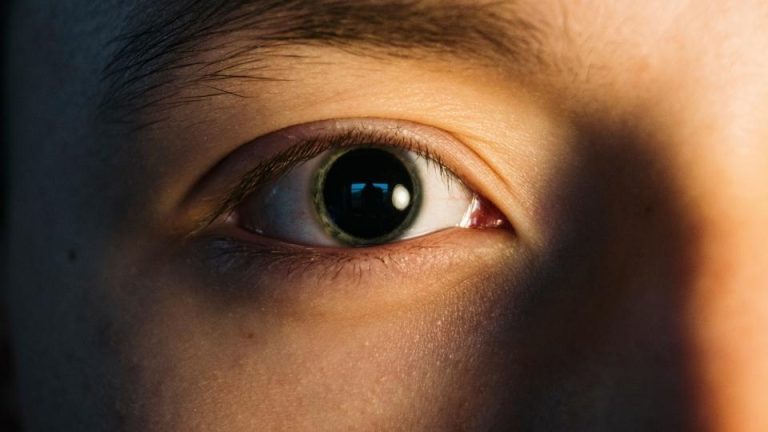
Pupils are surprisingly honest. They widen and narrow automatically in response to light, emotion, and the chemicals moving through the body, which makes them a revealing clue about what a person may have taken. If you have noticed someone with unusually large, dark pupils and wondered whether drugs are involved, you are asking a reasonable question. So what drugs cause dilated pupils, and when should enlarged pupils be a cause for concern?
This guide explains why certain substances widen the pupils, which drugs are most likely to do it, and how to tell drug-related dilation apart from harmless everyday causes. Recognizing the connection between dilated pupils and drugs can be an early step toward getting a loved one help. If you suspect substance use, a medically supervised detox program can offer a safe path forward. This article is educational and not a substitute for medical advice. This article is educational and not a substitute for medical advice.
Why Do Pupils Dilate?

The pupil is the dark opening in the center of the eye that lets light reach the retina. Tiny muscles in the iris control its size, opening it wide in dim light to let more in and shrinking it in bright light to protect the eye. This happens automatically through the nervous system.
Many drugs interfere with this system. Pupil dilation, known medically as mydriasis, often occurs when a substance stimulates the sympathetic nervous system, the “fight or flight” network that prepares the body for action. Stimulants and hallucinogens are especially likely to trigger this response. Other drugs cause dilation by blocking the signals that would normally tell the pupil to constrict. Either way, the result is the same: pupils that stay noticeably enlarged, sometimes even in bright light, where they would usually shrink.
What Drugs Cause Dilated Pupils?

A wide range of substances can produce enlarged pupils. The most common culprits fall into a few major categories. The relationship between these drugs and pupil dilation is consistent enough that widened pupils can be a classic clue of recent use, especially when paired with other physical or behavioral signs.
Stimulants
Stimulants are among the most reliable causes of dilated pupils. By increasing sympathetic nervous system activity and chemicals like dopamine and norepinephrine, they ramp up the nervous system and can widen the pupils. Stimulants that dilate the pupils include:
- Cocaine and crack cocaine
- Methamphetamine
- Amphetamines such as Adderall, especially when misused
- MDMA, also known as ecstasy or Molly, A stimulant with hallucinogen-like effects
- Synthetic cathinones, often called bath salts
With these drugs, dilated pupils typically appear alongside high energy, rapid speech, restlessness, and reduced appetite. Repeated use of any stimulant points toward a developing stimulant addiction.
Hallucinogens
Hallucinogens are also strongly linked to enlarged pupils. These drugs alter perception and mood, and they affect the nervous system in ways that widen the pupils. Common examples include LSD, psilocybin mushrooms, mescaline, and DMT. Pupil dilation from hallucinogens can be noticeable and may be paired with altered perceptions, mood shifts, and unusual behavior.
Other Substances and Medications
Several other substances can cause large pupils. Certain prescription medications, including some antidepressants such as SSRIs, can lead to dilation as a side effect. Anticholinergic drugs, which block specific nerve signals, are well known for widening the pupils. Some over-the-counter products, especially certain antihistamines or decongestants, and some supplements or plant-based products may also have this effect.
It is also worth noting that opioid withdrawal causes pupil dilation. While opioids themselves shrink the pupils, a person going through withdrawal will often have noticeably enlarged pupils, which can be an important clue for loved ones.
The table below summarizes how different drug categories affect pupil size.
| Drug Category | Examples | Effect on Pupils |
|---|---|---|
| Stimulants | Cocaine, meth, Adderall, MDMA | Dilated (enlarged) |
| Hallucinogens | LSD, psilocybin, mescaline | Dilated (enlarged) |
| Antidepressants | Some SSRIs and SNRIs | Can cause dilation |
| Anticholinergics | Certain prescription and OTC drugs | Dilated (enlarged) |
| Opioids (during use) | Heroin, fentanyl, oxycodone | Constricted (pinpoint) |
| Opioids (during withdrawal) | Same as above | Dilated (enlarged) |
Drugs That Cause the Opposite Effect
Not every drug widens the pupils, and knowing the difference can help you interpret what you are seeing. Opioids are the most important exception. Heroin, fentanyl, oxycodone, morphine, and similar drugs constrict the pupils, often shrinking them to tiny pinpoints. So if you are trying to figure out what causes large pupils, drugs in the opioid family generally do the reverse during active use.
This distinction is useful. Pinpoint pupils combined with drowsiness, slowed breathing, and nodding off can signal opioid use or an opioid overdose, which is a medical emergency. If this happens, call 911 immediately and give naloxone if available. Enlarged pupils with agitation and high energy may point toward stimulants or hallucinogens, but other causes are possible. Because street drugs are frequently mixed, understanding what it means when a drug is laced is important, since a single substance can carry the effects and dangers of several.
When Enlarged Pupils and Drugs Are a Concern
Dilated pupils alone do not confirm drug use, but when they appear with other warning signs, the picture becomes clearer. Pay attention if enlarged pupils show up along with:
- Sudden bursts of energy or, in the case of mixed substances or withdrawal, unusual drowsiness
- Rapid or rambling speech
- Restlessness, fidgeting, or an inability to sit still
- Paranoia, anxiety, or unusual fearfulness
- Mood swings between elation and irritability
- Sensitivity to light or unusually bright, glassy eyes
- Changes in sleep, appetite, or weight
- Secretive behavior and withdrawal from family and friends
When several of these signs cluster together, the connection between drugs and pupil dilation is much more likely to be the explanation. Repeated patterns like these may indicate one of several types of substance use disorders that respond well to professional treatment.
Other Causes of Dilated Pupils
Before assuming the worst, it helps to remember that not all enlarged pupils are caused by drugs. Many ordinary and medical factors can widen the pupils, including:
- Dim or low lighting, which naturally opens the pupils
- Strong emotions such as fear, excitement, or attraction
- Eye drops used during an eye exam
- Certain prescribed medications taken as directed
- Head injuries or neurological conditions
- Eye injuries or specific medical disorders
Sudden, lasting dilation in only one eye, or dilation paired with a severe headache, confusion, loss of consciousness, vision changes, eye pain, weakness, or recent head injury, can signal a serious medical problem and warrants immediate medical attention. The key is to look at the whole situation rather than the pupils alone.
What to Do If You Suspect Drug Use
If dilated pupils and other signs are leading you to suspect drug use in someone you love, approach the conversation with care rather than accusation. Choose a calm moment when the person is sober, share your concerns using specific observations, and focus on how much you care about them. People who feel supported are far more likely to open up than those who feel attacked.
Coming prepared with information helps. Knowing the signs, understanding how substances affect the body, and being ready with concrete next steps allows you to offer real support rather than vague worry. If the situation involves possible opioid overdose, especially pinpoint pupils, slowed or stopped breathing, or unresponsiveness, call 911 immediately and give naloxone if available.
Getting Help at Bright Paths Recovery
Noticing the signs, including something as subtle as enlarged pupils, can be the moment that changes everything. Whatever substance is involved, addiction is treatable, and people rebuild healthy lives every day with the right support. Acting early gives the best chance at a full recovery.
At Bright Paths Recovery, our compassionate team understands how frightening it is to suspect that someone you love is using drugs. We provide safe, medically supervised drug detox followed by personalized, evidence-based treatment designed for lasting recovery. Whether you are worried about a family member, a friend, or yourself, you do not have to face this alone, and help is available right now.
What Drugs Cause Dilated Pupils? Frequently Asked Questions
What drugs cause dilated pupils most often?
Stimulants and hallucinogens are the most common causes. Cocaine, methamphetamine, amphetamines like Adderall, MDMA, LSD, and psilocybin all widen the pupils. Some antidepressants and anticholinergic medications can also enlarge the pupils, and opioid withdrawal causes dilation as well.
Do all drugs cause pupil dilation?
No. While stimulants and hallucinogens dilate the pupils, opioids such as heroin, fentanyl, and oxycodone do the opposite during use, shrinking pupils to pinpoints. Pupil size and direction of change can therefore offer clues about which type of substance may be involved, but they cannot identify a substance with certainty.
Can dilated pupils be caused by something other than drugs?
Yes. Dim lighting, strong emotions, eye exam drops, certain prescribed medications, head or eye injuries, and some medical conditions can all enlarge the pupils. Because of this, dilated pupils alone do not confirm drug use and should be considered alongside other signs.