
Cocaine is a powerful stimulant derived from the coca plant, and one of the most common questions people ask after using it is: ” How long does cocaine stay in your system?” The answer depends on which test is being used, how often someone uses cocaine, and several factors unique to each individual. Whether you’re preparing for a drug test, worried about a loved one, or simply trying to understand the risks of cocaine use, knowing the timelines can help you make informed decisions about your health and recovery options.
For anyone struggling with cocaine, professional support matters. At Bright Paths Recovery, our substance abuse treatment programs help individuals safely move beyond addiction with personalized, evidence-based care. This guide breaks down how long cocaine and its metabolites linger in urine, blood, saliva, and hair, what factors influence those timelines, and when professional addiction treatment becomes essential.
How Long Does Cocaine Stay in Your System?

Cocaine itself has a relatively short half-life of about 1 hour, though estimates vary, meaning the active drug clears the bloodstream quickly. However, cocaine metabolites, the compounds the liver creates as it processes cocaine, can remain detectable for far longer. Most drug tests are designed to detect cocaine metabolites rather than cocaine itself.
For occasional users, cocaine typically clears the body within a few days. For chronic users, however, urine tests may remain positive for 10 days or longer, sometimes up to two weeks or more, depending on use pattern and test sensitivity. The exact timeline depends on the type of test, frequency of cocaine use, dose, and the individual’s metabolism and liver function.
What Is Cocaine and How Does the Body Process Cocaine?
Cocaine is extracted from the leaves of the coca plant and is typically sold as a white powder or in the rock form known as crack cocaine. Once cocaine enters the bloodstream, whether by snorting, injecting, smoking cocaine, or rubbing it on the gums, the liver immediately begins to break it down into a series of byproducts.
These byproducts, called metabolites, are what most drug tests detect. Understanding the difference between cocaine itself and its metabolites is key to understanding cocaine detection times across different testing methods.
Cocaine’s Short Half-Life vs. Its Cocaine Metabolites
Cocaine has a short half-life of roughly 1 hour, but its primary metabolite, benzoylecgonine, remains detectable much longer. While cocaine’s effects fade within an hour or two, benzoylecgonine can remain detectable for days, especially in urine and after repeated cocaine use.
This difference between the parent drug and its metabolites is why a person can feel completely sober and still test positive on a cocaine drug test days after the last use.
Detect Cocaine Metabolites: What Lab Tests Look For
The body breaks cocaine down into several distinct compounds, and lab tests can detect cocaine metabolites with high accuracy. The most important ones include:
- Benzoylecgonine: The primary metabolite tested in urine, commonly detectable for 2 to 4 days after occasional use, with longer windows in heavy or chronic use.
- Ecgonine methyl ester: Another cocaine metabolite that can support the interpretation of recent cocaine exposure when reviewed with other lab findings.
- Cocaethylene: Formed only when cocaine and alcohol create a combined byproduct in the liver, with a longer half-life than cocaine alone.
When laboratories detect cocaine metabolites in urine tests, they typically search for benzoylecgonine because of its reliable detection window. Confirmation testing using GC-MS or LC-MS/MS can verify disputed screening results.
The Most Common Method of Use and Its Effect on Onset
The common method of taking cocaine influences how quickly the drug reaches the brain, but it affects the onset and intensity more than the overall detection window. Injecting or smoking cocaine produces a rapid, intense high lasting 5 to 30 minutes. Snorting takes longer to peak and produces a more prolonged duration of cocaine’s effects.
Even though the route of administration changes how fast cocaine’s effects appear, the body processes cocaine and its metabolites along similar pathways regardless of how it was used. For more on how stimulants affect the body and mind, see our guide on stimulant addiction.
Factors That Affect How Long Cocaine Stays in Your System
Several factors influence how long cocaine and its metabolites remain detectable. No two people will eliminate cocaine at exactly the same rate, which is why drug detection windows are presented as ranges rather than fixed numbers.
Frequency and Chronic Use
Repeated cocaine use can lead to prolonged metabolite elimination, which extends detection windows. A first-time user may clear cocaine within a few days, while chronic users might still test positive up to two weeks later or longer in some cases.
Dose and Higher Doses
Higher doses take longer to fully eliminate. The larger the amount of cocaine consumed, the more time the body needs to metabolize and excrete the drug. This is why a single use and an all-night binge produce very different detection timelines.
Person’s Metabolism and Liver Function
Because the liver does much of the work breaking cocaine down, liver function plays a major role in cocaine elimination. Impaired liver function, whether from disease, alcohol abuse, or other causes, may slow the process. A faster person’s metabolism may shorten how long cocaine stays detectable, while a slower metabolism extends it.
Other Biological Factors and Hydration
Other biological factors, such as age, body fat percentage, urine concentration, and overall health history, also influence cocaine detection times. Proper hydration supports kidney function and helps flush metabolites through urine, though it cannot reliably “beat” a drug screen. Detox products that claim to eliminate cocaine quickly are generally ineffective and unreliable.
How Long Does Cocaine Stay in Urine? Urine Tests Explained
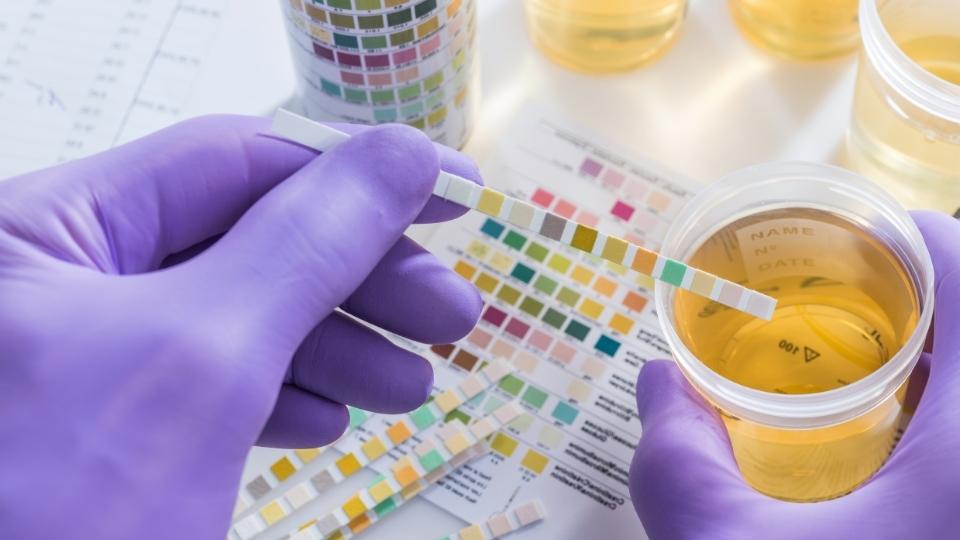
Urine tests are the most common method of cocaine drug testing because they are affordable, non-invasive, and offer a useful detection window. For occasional users, cocaine can be detected in urine for 2 to 4 days after the last use.
For heavy users, the picture changes. Cocaine metabolites can extend the urine detection window to 10 days or longer, sometimes up to two weeks or more, depending on use pattern and test sensitivity. The exact timing depends on urine concentration, hydration, and how long cocaine metabolites continue to be eliminated.
Most urine tests look for benzoylecgonine. Rapid screening tests provide quick results within minutes, but rapid tests are sometimes confirmed with more sensitive lab tests when accuracy matters, for example, in legal cases or pre-employment screening.
How Long Does Cocaine Show Up in Blood Tests
Blood tests have the shortest detection window of any common cocaine test. Because cocaine has a relatively short half-life, blood tests generally detect recent cocaine use for several hours up to about 1 to 2 days, depending on the analyte and test sensitivity.
Blood tests are less common than urine tests due to their invasive nature and short detection time. They are most useful when clinicians need to confirm very recent use, such as in emergency rooms or accident investigations. For chronic users, blood tests may detect cocaine for slightly longer periods due to accumulated metabolites.
Saliva Tests for Cocaine Detection
Saliva tests can detect cocaine for approximately 1 to 3 days after the last use, though most reliable saliva tests work within a 24- to 48-hour window. A saliva sample is easy to collect under direct supervision, which makes saliva tests harder to tamper with than other testing methods.
Despite this advantage, saliva tests are less commonly used than urine tests because they are typically more expensive and have a shorter detection window. They are often used in roadside drug screen scenarios or workplace testing where supervised collection is important. A saliva sample can sometimes detect cocaine within minutes of use, making this method useful for confirming very recent ingestion.
Hair Testing: The Longest Detection Window for Cocaine
Hair testing offers the longest detection window of any cocaine test, capable of identifying cocaine use for up to 90 days after the last dose. Longer hair segments may sometimes provide a longer historical pattern, but standard testing usually focuses on about 90 days.
When cocaine and its metabolites enter the bloodstream, small amounts are deposited into growing hair follicles. As the hair grows, those metabolites become trapped, creating a long-term record of cocaine exposure that hair testing can analyze.
However, hair testing has limitations. It usually cannot detect cocaine use within the first 7 to 10 days after exposure because hair needs time to grow above the scalp. This makes hair testing better suited for assessing patterns of drug use rather than recent or one-time use.
Cocaine Detection Times: Comparison Table
The following table summarizes typical cocaine detection times across different testing methods. These ranges reflect general estimates; individual results vary based on the factors discussed above.
| Test Type | Occasional Use | Chronic Use |
|---|---|---|
| Urine Test | 2–4 days | 10+ days, sometimes 2 weeks or more |
| Blood Test | Several hours–1–2 days | Up to 2–3 days |
| Saliva Test | 1–2 days | Up to 3 days |
| Hair Test | Up to 90 days | Up to 90 days |
These cocaine detection times help illustrate why someone who used cocaine on Friday night may pass a Monday morning blood test but still fail a urine test the same day.
When Will You Test Positive on a Cocaine Test?
A person can test positive on a cocaine test as soon as benzoylecgonine builds up to detectable levels, usually within a few hours of use. How long someone continues to test positive depends on the test type and personal factors like metabolism and frequency of use.
False positives are uncommon but possible. Coca leaf products and lab or chain-of-custody errors can occasionally lead to disputed results. Confirmation testing using gas chromatography-mass spectrometry or LC-MS/MS can rule out false positives when cocaine screen results are challenged.
If a cocaine screen comes back positive in a clinical or treatment setting, providers typically use those results to guide care rather than to penalize the patient. Honest communication with treatment professionals about drug use leads to better outcomes and more effective care planning.
Cocaine and Other Substances: A Dangerous Combination
Mixing cocaine with other substances dramatically increases health risks. When cocaine and alcohol are used together, the liver produces a unique compound called cocaethylene. This metabolite has a longer half-life than cocaine itself and significantly raises the risk of heart attack, liver damage, and sudden death.
Alcohol can create cocaethylene, which may extend the detection of cocaine-related compounds and increase toxicity. Combining cocaine with opioids, benzodiazepines, or other drugs further compounds risks and complicates treatment.
If you’re navigating polysubstance use, our article on types of substance use disorders offers additional context.
Cocaine Elimination: Can You Speed It Up?
Many products claim to speed up cocaine elimination, but the evidence shows most do little or nothing. The body processes cocaine on its own timeline, and trying to “flush” the drug rarely works the way marketers suggest. Detox products are generally ineffective at meaningfully shortening detection times.
Helpful steps to support natural cocaine elimination include staying hydrated, eating balanced meals that support liver function, getting adequate sleep, and avoiding additional drug use or drinking alcohol. None of these strategies will defeat a properly conducted drug test, however. The only reliable way to eliminate cocaine and avoid future positive results is to stop using cocaine and allow the body time to recover. For people who use cocaine regularly, professional medical detox provides medically supervised support during the most difficult days of withdrawal symptoms, including intense cravings, depression, and fatigue.
For people who use cocaine regularly, professional medical detox provides medically supervised support during the most difficult days of withdrawal symptoms, including intense cravings, depression, and fatigue.
Health Risks Linked to Cocaine Addiction
Cocaine addiction carries serious health risks beyond what shows up on a drug test. Chronic use can cause:
- Cardiovascular complications, including high blood pressure, heart attack, and stroke
- Neurological complications, including seizures, stroke, bleeding in the brain, and possible long-term cognitive effects
- Severe gastrointestinal complications, including tears and ulcers in the stomach and intestines, sometimes leading to ischemic colitis
- Liver damage, especially when cocaine and alcohol are combined into cocaethylene
- Mental health complications, including depression, anxiety, paranoia, and psychosis
- Withdrawal symptoms range from intense cravings to severe depression after stopping use
These health risks compound with continued cocaine abuse. Even occasional cocaine use can trigger sudden cardiac events in otherwise healthy people. Read more about how stimulants affect the body in our guide on the consequences of methamphetamine use on body and mind; many of the cardiovascular and neurological patterns are similar to those of cocaine.
Recognizing Cocaine Use Disorder
Under DSM-5-TR criteria, cocaine use disorder is diagnosed when cocaine use causes clinically significant impairment or distress, with symptoms occurring within a 12-month period. Warning signs include strong cravings, loss of control over use, tolerance, and continued use despite harm to relationships, work, or mental health.
If you recognize these patterns in yourself or a loved one, professional cocaine addiction treatment can help. Effective programs combine medical care, therapy, and long-term recovery planning. Explore options through our overview of inpatient vs outpatient treatment for drug addiction and our breakdown of the difference between detox and rehab.
For comparison with how the body clears other commonly tested drugs, see our guides on how long methamphetamine stays in your system, how long opioids stay in your system, how long alcohol stays in your system, and how long fentanyl stays in your system. Each substance follows its own metabolic pathway and produces a different detection profile.
Frequently Asked Questions About Cocaine Drug Detection
Do Detox Products Work to Eliminate Cocaine?
Detox products that claim to eliminate cocaine rapidly are generally ineffective and unreliable. While drinking water and supporting healthy liver function may help slightly, no over-the-counter product can dramatically shorten how long cocaine stays detectable. The body needs time to fully process cocaine and its metabolites on its own.
Can a Cocaine Test Produce False Positives?
False positives on a cocaine screen are uncommon but possible. Coca leaf products and lab or chain-of-custody errors can occasionally lead to disputed results. Confirmation lab tests are used to verify any disputed positive result, and most treatment programs follow up rapid screening tests with confirmatory testing when accuracy matters.
How Long Does Cocaine Stay Detectable in Chronic Users?
For chronic users, cocaine metabolites can stay in the system up to two weeks or longer in urine and up to 90 days in hair. The longer detection window for heavy users reflects prolonged metabolite elimination, which can continue to show up on drug tests well after someone has stopped using.
Find Help for Cocaine Addiction at Bright Paths Recovery
Knowing how long cocaine stays in your system is useful, but it doesn’t address the deeper challenge: the cycle of cocaine addiction itself. Whether you’re early in your journey or returning after a relapse, professional treatment dramatically improves your chances of lasting recovery from cocaine use disorder.
At Bright Paths Recovery, we offer compassionate, individualized substance abuse treatment that combines medical detox, evidence-based therapy, and long-term recovery planning. Our team understands that addiction touches every part of life, physical health, mental health, relationships, and identity, and we treat the whole person, not just the substance use.
If you or someone you love is struggling with cocaine, reach out today. Recovery is possible, and the first step is closer than you think. Learn more about our approach in our guide to the stages of addiction recovery and what to expect when you’re ready to begin healing.