

When you suspect that someone you love is using drugs, the uncertainty can be one of the hardest parts. You may sense that something is wrong without being able to put your finger on it. They seem different, distant, or unpredictable, and you find yourself wondering whether you are imagining things or overreacting. Learning the signs of drug use can replace that confusion with clarity, and clarity is what allows you to act with confidence and compassion.
The truth is that drug use often leaves traces. It shows up in the body, in behavior, in mood, and in the patterns of daily life. No single sign proves that someone is using, but when several appear together, they form a picture that is hard to ignore. This guide is a complete walkthrough of how to tell if someone is using drugs, covering physical signs, behavioral signs, psychological changes, and substance-specific clues.
It also explains what to do once you recognize the signs. If you discover that a loved one is struggling, a medically supervised detox program can provide a safe place to begin recovery. This article is meant to inform and support, not to diagnose.
Why Recognizing the Signs of Drug Use Matters

Catching drug use early can change the entire course of a person’s life. Substance use can progress over time, and the longer it continues, the more harm it can cause to health, relationships, finances, and the brain itself. Recognizing the warning signs gives you the chance to step in before a casual problem becomes a life-threatening one.
Early recognition also matters because of how dangerous the current drug supply has become. Illicit drugs may be contaminated with fentanyl or other synthetic opioids, which means that even occasional or experimental use can carry overdose risk. Understanding the signs of drug use is no longer just about confronting a habit. In many cases, it is about saving a life.
It is important to approach this knowledge with balance. The goal is not to become suspicious of every yawn or bad mood, but to notice meaningful patterns and changes over time. With that in mind, let us look at the specific signs to watch for. Catching use early also lowers the odds of a sudden cocaine overdose or similar emergency.
Physical Signs of Drug Use
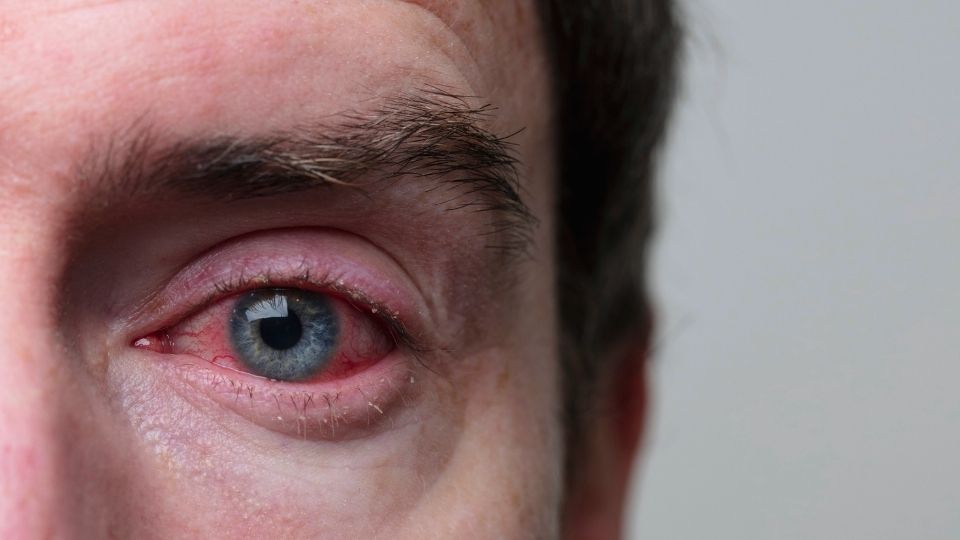
The body often shows the first and most noticeable evidence of drug use. Different substances affect the body in different ways, but many physical signs of drug use are common across a range of drugs. Sudden or unexplained changes in someone’s physical appearance and functioning are especially telling.
Changes to the Eyes
The eyes are remarkably revealing. Stimulants like cocaine and methamphetamine, along with hallucinogens, can cause the pupils to dilate, sometimes appearing very large even in bright light. Opioids do the opposite, shrinking the pupils to tiny pinpoints. Marijuana commonly causes red, bloodshot eyes. Glassy, unfocused, or unusually bright eyes can all signal recent use, and changes in pupil size can be among the more noticeable physical clues, especially when paired with other signs.
Because pupil size shifts so visibly, it is worth knowing exactly what drugs cause dilated pupils.
Changes in Appearance and Hygiene
A noticeable decline in grooming and personal hygiene can be a sign of ongoing drug use. A person who once took pride in their appearance may stop bathing regularly, wear dirty or wrinkled clothing, or seem generally unkempt. You might also notice that they wear long sleeves and pants even in hot weather, which can be an attempt to hide marks on the skin. These signs are most concerning when they appear suddenly or alongside other physical and behavioral changes.
Changes in Sleep and Energy
Drugs disrupt the body’s natural rhythms. Stimulants can keep a person awake for unusually long stretches, followed by crashes of extreme exhaustion. Depressants and opioids tend to cause drowsiness, nodding off at odd times, or sleeping far more than usual. Dramatic swings between hyperactivity and lethargy are a common pattern worth noting.
Weight and Appetite Changes
Sudden weight loss is often associated with stimulant use, which suppresses appetite and revs up metabolism. Marijuana, on the other hand, frequently increases appetite. Any rapid, unexplained change in weight or eating habits can be a physical sign worth noticing, especially when paired with other changes.
Other Physical Signs
A range of additional physical signs can point to drug use, including:
- Frequent nosebleeds or a constantly runny nose, often linked to snorting drugs
- Burns on the fingers, lips, or mouth from smoking substances
- Track marks, bruising, or scarring along the veins from injecting
- Skin sores, scabs, or picking wounds are common with methamphetamine use
- Slurred speech or poor physical coordination
- Tremors, shakes, or jaw clenching and teeth grinding
- An unusual chemical, smoky, or otherwise strange smell on the body or clothing
- Frequent sniffling, sweating, or a racing heartbeat
When several of these physical signs appear together, particularly alongside the behavioral changes described below, the likelihood of drug use rises considerably. Marks along the veins deserve a closer look, as explained in our guide to track marks and skin signs of injection drug use.
Behavioral Signs of Drug Use
Behavior can change dramatically with drug use, especially as use becomes more frequent or harmful. The behavioral signs of drug use can be the most painful for families to witness, because they affect how a person treats the people around them. These changes tend to develop gradually and then accelerate as use deepens.
Mood and Personality Changes
One of the clearest behavioral signs is a shift in personality and mood. A normally calm person may become irritable, hostile, or quick to anger. Someone outgoing may grow withdrawn and quiet. Many people experience intense mood swings, bouncing between euphoria and depression, or between energy and apathy. These shifts often seem disconnected from what is actually happening in their lives.
Social Changes
Drug use frequently reshapes a person’s social world. You may notice that your loved one has a new group of friends, often ones they are reluctant to introduce or talk about. At the same time, they may pull away from longtime friends, family, and the activities they used to enjoy. Hobbies, sports, and passions that once mattered can fall by the wayside. These changes are most concerning when they are sudden, extreme, secretive, or paired with other warning signs.
Secrecy and Dishonesty
Increased secrecy can be a common warning sign of drug use. A person may become evasive about where they have been, who they were with, and what they were doing. They might lie about small things, keep their phone or room off limits, or react defensively to ordinary questions. Unexplained absences and a general sense that they are hiding something are common.
Financial and Legal Problems
Drugs are expensive, and the cost shows up in a person’s finances. Watch for unexplained spending, frequent requests to borrow money, missing cash or valuables, and an inability to account for where money has gone. In more serious cases, legal troubles such as arrests or charges may appear. These financial and legal signs often accompany a developing substance problem.
Decline in Responsibilities
As drug use takes priority, responsibilities slip. A person may begin missing work or school, performing poorly, or neglecting family obligations. Reliability fades, commitments are broken, and tasks that were once handled easily start to fall apart. The following behavioral signs frequently appear together:
- Increased secrecy and lying
- New friend groups and withdrawal from old ones
- Loss of interest in hobbies and activities
- Mood swings, irritability, and personality changes
- Unexplained financial trouble or missing money
- Declining performance at work or school
- Risky or impulsive behavior
- Defensiveness when asked about their well-being
Psychological Signs of Drug Use
Beyond mood and behavior, drug use affects mental and emotional health in deeper ways. Many people who use drugs experience heightened anxiety, paranoia, or unfounded fears. Others sink into depression, lose motivation, or seem emotionally flat and disconnected. Confusion, memory problems, and difficulty concentrating are also common.
These psychological signs can be especially confusing because they overlap with mental health conditions. In fact, substance use and mental health struggles frequently occur together, each one feeding the other. The connection between depression and substance abuse is well-documented, and untreated emotional pain is a common driver of drug use. When mental health symptoms and drug use appear at the same time, professional evaluation is especially important.
Signs by Drug Type
While many signs are shared across substances, each category of drug produces its own characteristic effects. Recognizing these patterns can help you understand which type of substance may be involved. The table below summarizes the common physical and behavioral signs associated with major drug categories.
| Drug Type | Common Physical Signs | Common Behavioral Signs |
|---|---|---|
| Stimulants (cocaine, meth, Adderall when misused) | Dilated pupils, reduced appetite, weight loss, jaw clenching, rapid heartbeat | Talkativeness, restlessness, paranoia, staying awake for long stretches |
| Opioids (heroin, fentanyl, painkillers) | Pinpoint pupils, drowsiness, slowed breathing, track marks, nodding off | Secrecy, isolation, intense cravings, neglecting responsibilities |
| Depressants (benzodiazepines, alcohol) | Slurred speech, poor coordination, drowsiness, dizziness | Confusion, memory lapses, mood swings, slowed thinking |
| Marijuana | Red eyes, increased appetite, delayed reactions, distinctive smell | Changes in motivation, altered sense of time, giddiness or withdrawal |
| Hallucinogens (LSD, mushrooms) | Dilated pupils, sweating, increased heart rate, nausea | Hallucinations, paranoia, erratic behavior, altered perception |
For one stimulant in particular, our guide to the signs someone is on cocaine goes deeper.
Stimulants
Stimulant use, including cocaine, methamphetamine, and the misuse of prescription drugs like Adderall, tends to produce bursts of energy, talkativeness, and confidence followed by hard crashes. Dilated pupils, weight loss, and the inability to sleep are common. Repeated use signals a developing stimulant addiction. Because cocaine clears the body quickly, people sometimes wonder how long cocaine stays in the system, which can be useful context when piecing together a pattern.
Opioids
Opioids such as heroin, fentanyl, and prescription painkillers cause drowsiness, slowed breathing, and pinpoint pupils. Users may nod off mid-conversation and withdraw from daily life. Because opioids carry an extreme overdose risk, recognizing the signs of fentanyl addiction can be lifesaving.
Depressants, Marijuana, and Hallucinogens
Depressants like benzodiazepines and alcohol slow the body and mind, producing slurred speech, poor coordination, and confusion. Marijuana often causes red eyes, increased appetite, and a noticeable change in motivation and perception of time. Hallucinogens like LSD and psilocybin can cause dilated pupils, altered perception, and unpredictable behavior. Each of these falls among the recognized types of substance use disorders that respond to professional treatment.
Drug Paraphernalia and Physical Evidence
Sometimes the clearest sign of drug use is the equipment left behind. Drug paraphernalia includes pipes, bongs, rolling papers, burnt spoons, syringes, small plastic bags, rolled bills, and unlabeled pill bottles. You may also notice residue, burn marks, or a strange chemical smell.
Many of these items look ordinary on their own, so it is the context and combination that matter. Finding such items, especially with residue, burn marks, or other warning signs, can strongly suggest drug use and may indicate that use is being hidden. Discovering paraphernalia is often the moment when concern becomes more concrete. Each of those items is a form of drug paraphernalia, and spotting it can turn a suspicion into something concrete
Signs of Drug Use in Teenagers
Spotting drug use in teenagers can be especially challenging because many warning signs overlap with normal adolescent development. Moodiness, a desire for privacy, and shifting friendships are part of growing up. The key is to look for sudden, extreme, or persistent changes rather than typical teenage behavior.
Warning signs in teens may include a dramatic drop in grades, abandoning longtime friends or activities, increased secrecy and hostility, changes in sleep and appetite, missing money, and the smell of smoke or alcohol. Physical clues like bloodshot eyes, unusual smells, or unexplained items also apply. Parents who notice a cluster of these changes should take them seriously and approach their child with concern rather than accusation. Among teens, misused study drugs are common, which raises the question of how much Adderall is too much.
How to Tell If Someone Is Using Drugs Versus Other Explanations
Before jumping to conclusions, it is worth remembering that many of these signs can have other causes. Fatigue, stress, illness, mental health conditions, and the ordinary ups and downs of life can all produce changes in mood, sleep, appearance, and behavior. A teenager who is moody or a partner who is tired is not necessarily using drugs.
The difference lies in the pattern. Problematic drug use often produces multiple signs across several categories, and those signs may worsen over time. When physical changes, behavioral shifts, financial problems, and secrecy all appear together and intensify, drug use becomes a far more likely explanation. Trust your instincts, but also stay open to other possibilities, and let the overall picture guide you rather than any single observation.
What to Do If You Recognize the Signs
Recognizing the signs of drug use is difficult, but it is also empowering, because it allows you to take meaningful action. How you respond can make a real difference in whether your loved one moves toward help or further away from it.
Approaching the Conversation
Choose a calm, private moment when the person is sober and not in crisis. Lead with love and concern rather than anger or accusation. Use specific observations, focusing on what you have noticed and how worried you are, rather than labeling or blaming them. Expect denial or defensiveness, which is common, and try to stay steady and compassionate. The goal is to keep the door open, not to win an argument. Learning how to support a loved one through treatment can give you a helpful foundation for these conversations.
Considering an Intervention
If one-on-one conversations are not working and the situation is serious, a more structured approach may help. A planned intervention brings together family and loved ones, often with professional guidance, to encourage the person to accept treatment. Knowing how to stage an intervention thoughtfully can make the difference between a productive conversation and one that pushes the person away.
Finding Treatment
When your loved one is ready to accept help, having information about treatment ready makes the next step easier. Recovery may begin with professional assessment and withdrawal support when needed, followed by ongoing treatment that addresses the underlying causes of use. Understanding what drug detox treatment involves allows you to offer concrete next steps rather than vague encouragement.
When to Seek Emergency Help
Some signs require immediate action. If you ever see indications of an overdose, treat it as a medical emergency and call 911 right away. Warning signs of overdose include unresponsiveness, slowed or stopped breathing, bluish lips or skin, seizures, or a person who cannot be woken. Because illicit drugs may be contaminated with fentanyl, knowing how to administer Narcan can save a life when an opioid overdose is possible while you wait for help to arrive. Never wait to see if a suspected overdose resolves on its own.
Getting Help at Bright Paths Recovery
Recognizing that someone you love may be using drugs is painful, but it is also the first step toward getting them help. Whatever substance is involved and however far things have progressed, addiction is treatable, and people rebuild healthy, fulfilling lives every day with the right support. Acting early gives the best chance at a full recovery.
At Bright Paths Recovery, our compassionate team understands how overwhelming it is to face the possibility of a loved one’s drug use. We provide safe, medically supervised detox followed by personalized, evidence-based treatment designed for lasting recovery. Whether you are worried about a child, a partner, a friend, or yourself, you do not have to navigate this alone. Reaching out is a sign of strength, and help is available right now.
How to Tell If Someone Is Using Drugs: Frequently Asked Questions
What are the most common signs of drug use?
The most common signs include changes in the eyes, such as dilated or pinpoint pupils, shifts in sleep and appetite, declining hygiene, mood swings, secrecy, new friend groups, financial problems, and a drop in performance at work or school. Multiple signs appearing together are most telling.
How can you tell if someone is using drugs versus just stressed?
The difference lies in the pattern. Stress or illness may cause one or two changes, while problematic drug use often produces several signs across physical, behavioral, and psychological categories. These signs tend to become more concerning when they worsen over time rather than improve as circumstances change.
What should I do if I recognize the signs of drug use in a loved one?
Approach them calmly and privately when they are sober, lead with concern rather than blame, and use specific observations. Expect denial, stay compassionate, and have treatment information ready. If you suspect an overdose, call 911 immediately. Professional guidance and intervention support can also help.