

If you have been prescribed an SSRI or are considering one, you may have wondered whether the medication could fundamentally alter who you are. It is a common and understandable concern. SSRIs (selective serotonin reuptake inhibitors) are among the most widely prescribed medications in the United States, used to treat depression, anxiety, obsessive-compulsive disorder, and other conditions.
Can SSRIs change your personality? This question touches on something deeper than symptom management. It raises questions about identity, emotional authenticity, and what it means to feel like yourself. For individuals navigating both mental health challenges and substance use, these concerns often arise during treatment. Programs like residential treatment at Bright Paths Recovery address medication questions as part of a comprehensive, individualized approach to care.
This article examines what the current research says about SSRIs and personality, along with other frequently asked questions about how these medications affect the body and mind.
What Are SSRIs and How Do They Work?

The Basics of Serotonin Reuptake Inhibition
SSRIs work by blocking the reabsorption (reuptake) of serotonin in the brain, making more of this neurotransmitter available in the synaptic space between neurons. Serotonin plays a role in regulating mood, sleep, appetite, and social behavior. By increasing serotonin availability, SSRIs aim to reduce symptoms of depression and anxiety.
Common SSRIs include fluoxetine (Prozac), sertraline (Zoloft), escitalopram (Lexapro), paroxetine (Paxil), and citalopram (Celexa). Each has a slightly different pharmacological profile, which is why one SSRI may work well for a person while another does not. Understanding the side effects and uses of medications like Paxil can help you have more productive conversations with your prescriber.
It is worth noting that SSRIs are not the only medication option for anxiety and mood disorders. Some individuals, particularly those with a history of substance use, may benefit from exploring non-addictive anxiety medication options with their treatment team.
SSRIs vs. Other Psychiatric Medications
SSRIs are just one class within a larger landscape of psychiatric medications. Benzodiazepines like Xanax and Ativan, for example, work on the GABA system rather than serotonin and carry a higher risk of dependence. Understanding the difference between Xanax and Ativan or the comparison of Xanax vs. Ativan in terms of potency and risks can be valuable when evaluating treatment options. SSRIs are generally considered to have a lower abuse potential, which is one reason they are often preferred in addiction treatment settings.
Do SSRIs Change Your Personality?
What the Research Suggests
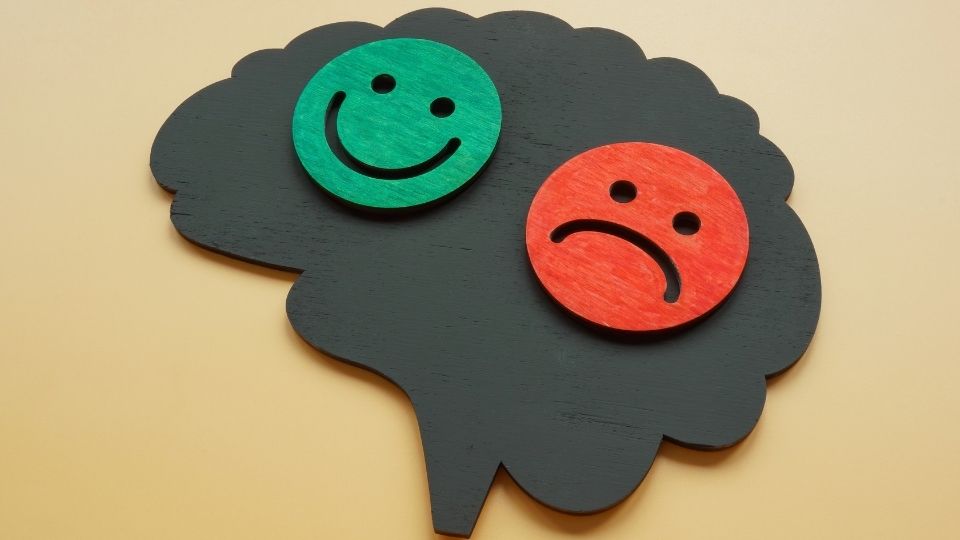
The short answer is that SSRIs do not appear to fundamentally change who you are, but they may shift certain personality-adjacent traits. A notable 2009 study published in Archives of General Psychiatry found that participants taking paroxetine showed decreases in neuroticism and increases in extraversion, even after controlling for improvements in depression. The researchers suggested that SSRIs might have a direct effect on personality traits beyond their antidepressant action.
However, interpretation matters here. Many clinicians argue that what looks like a personality change may actually be the emergence of a person’s baseline temperament once the distorting effects of depression or anxiety are lifted. Depression can make a naturally sociable person withdraw. Anxiety can make a naturally confident person hesitant. When those symptoms are treated, the person may seem different, but they may simply be returning to a version of themselves that the illness had obscured.
Some individuals do report feeling emotionally “blunted” or “flattened” on SSRIs, describing a reduced range of both negative and positive emotions. This experience is real and worth discussing with a prescriber, as it may indicate that the dosage or specific medication needs adjustment. The concern that SSRIs can change personality often stems from this blunting effect rather than a true alteration of core identity.
Personality Change vs. Symptom Relief
Distinguishing between personality change and symptom relief is not always straightforward. If someone has lived with untreated depression for years, their depressive patterns may feel like an integral part of who they are. When an SSRI alleviates those patterns, the shift can feel disorienting, even if it is ultimately positive.
This is where therapy plays a critical role. Cognitive behavioral therapy and other evidence-based approaches can help individuals process the emotional changes that come with medication and develop a clearer sense of their authentic self. For those in recovery, individual therapy for addiction provides space to explore these questions in depth.
Do SSRIs Affect Dopamine?
One of the more nuanced questions about SSRIs is whether they influence dopamine, the neurotransmitter most closely associated with motivation, pleasure, and reward. SSRIs primarily target serotonin, but the brain’s neurotransmitter systems do not operate in isolation. Serotonin and dopamine interact in complex ways, and increasing serotonin can, in some cases, modulate dopamine activity.
Some research suggests that certain SSRIs may indirectly reduce dopamine signaling in specific brain regions, which could contribute to symptoms like emotional blunting, decreased motivation, or reduced interest in activities. The exact mechanism is not fully understood, though serotonin’s interactions with other neurotransmitter systems may play a role.
This is not a universal experience, and it varies by medication and individual. However, it is a factor worth considering, particularly for individuals in addiction recovery, where dopamine pathways are already affected by substance use. Understanding the effects of substances on the brain and body provides important context for how medications interact with neurochemistry that may already be disrupted.
Do SSRIs Affect Appetite?
Changes in appetite are among the more commonly reported side effects of SSRIs, though the direction of change varies. Some people experience increased appetite and weight gain, while others notice decreased hunger, particularly in the early weeks of treatment.
Serotonin is involved in regulating satiety, so altering its availability can influence eating patterns. Weight gain associated with SSRIs has been studied extensively, and it appears to be more pronounced with certain medications (such as paroxetine) than others (such as fluoxetine, which is sometimes associated with modest weight loss in the short term).
For individuals in recovery, appetite changes can be particularly significant. Nutritional and physical wellness in recovery is an important component of overall healing, and any medication side effect that disrupts eating habits should be monitored. The role of nutrition in recovery is well-documented, and treatment teams should be made aware of any appetite-related concerns.
Do SSRIs Affect Fertility?
The question of whether SSRIs affect fertility is relevant for many people of reproductive age. Research in this area is still evolving, and the findings are mixed.
In men, some studies have suggested that SSRIs may affect sperm quality, including motility and DNA integrity. A 2015 review in Human Reproduction Update noted that certain SSRIs were associated with changes in semen parameters, though the clinical significance of these changes is not fully established.
In women, the evidence is less clear. Some research has explored whether serotonin plays a role in ovulation and implantation, but no strong consensus has emerged linking SSRI use to reduced female fertility. The decision to continue or discontinue SSRIs during attempts to conceive should always be made in consultation with both a psychiatrist and an OB-GYN, weighing the risks of untreated mental illness against any potential medication effects.
For individuals in treatment programs, these conversations are part of building a personalized addiction treatment plan that accounts for the whole person, including reproductive health goals.
Do SSRIs Affect Sex Drive and Libido?
Why Sexual Side Effects Are So Common
Sexual side effects are among the most frequently reported complaints associated with SSRIs. Research estimates vary, but some studies suggest that 30 to 70 percent of people taking SSRIs experience some degree of sexual dysfunction. This can include decreased libido, difficulty with arousal, delayed orgasm, or anorgasmia.
The mechanism behind these effects involves serotonin’s influence on sexual response pathways. Increased serotonin may dampen dopamine and norepinephrine activity in areas of the brain associated with sexual desire and pleasure. It can also affect peripheral nerve signaling involved in physical arousal. The reality is that virtually all SSRIs carry some risk of sexual side effects, though the severity varies by medication and individual. Sexual side effects likely reflect serotonin’s effects on central and peripheral pathways involved in desire, arousal, and orgasm, though the exact mechanisms are complex
Managing Sexual Side Effects
If you are experiencing sexual side effects from an SSRI, several strategies may help:
- Discuss dosage adjustments with your prescriber. A lower dose may reduce side effects while still managing symptoms effectively.
- Consider timing of medication. Some clinicians suggest taking the SSRI at a time of day that minimizes interference with sexual activity.
- Explore alternative medications. Certain antidepressants outside the SSRI class, such as bupropion, are less likely to cause sexual dysfunction.
- Give it time. Some sexual side effects improve after the first few months as the body adjusts to the medication.
- Communicate openly. Discussing these effects with your partner and your treatment team can reduce the shame and frustration that often accompany them.
Sexual health is an important aspect of overall well-being, and it should not be dismissed as a minor inconvenience. For those in recovery, honest communication with providers is essential. Learning to open up in therapy about sensitive topics is a skill that benefits every area of treatment. Understanding the full picture of what to expect during residential drug treatment includes knowing that medication management and side effect monitoring are part of the process.
Comparing Common SSRI Side Effects
The following table provides a general overview of how commonly reported side effects vary across several widely prescribed SSRIs. Individual experiences will differ, and this should not replace a conversation with a medical professional.
Note: Side effect patterns overlap substantially across SSRIs. In general, paroxetine is more often associated with weight gain, sedation, and discontinuation symptoms, while fluoxetine tends to cause fewer discontinuation symptoms because of its longer half-life.
| Side Effect | Fluoxetine (Prozac) | Sertraline (Zoloft) | Paroxetine (Paxil) | Escitalopram (Lexapro) |
|---|---|---|---|---|
| Appetite changes | May decrease appetite early on | Variable | May increase appetite in some individuals | Usually mild, but variable |
| Weight gain | Often less likely than with some other SSRIs | Possible | More likely than with some other SSRIs | Possible |
| Sexual dysfunction | Common | Common | Common and sometimes more pronounced | Common |
| Emotional blunting | Possible | Possible | Possible | Possible |
| Sedation | Less common | Possible | More common | Mild to moderate possibility |
| Discontinuation symptoms | Lower risk because of long half-life | Moderate possibility | Higher risk | Moderate possibility |
This comparison underscores why medication decisions should be individualized. What works well for one person may not be the right fit for another, which is why personalized treatment approaches matter so much.
Making Informed Decisions About SSRIs
Will SSRIs change my personality? The evidence suggests that while SSRIs may influence certain traits like neuroticism and emotional reactivity, they are unlikely to transform who you fundamentally are. What they can do is reduce the symptoms that may be preventing you from functioning as your best self. The key is to work closely with a qualified provider, monitor your response carefully, and communicate openly about both benefits and side effects.
For individuals dealing with co-occurring mental health and substance use challenges, medication decisions are part of a larger picture. Understanding the stages of addiction recovery and the different types of therapy for addiction recovery can help you see how SSRIs fit within a comprehensive treatment plan rather than serving as a standalone solution.
Can SSRIs Change Your Personality? FAQs
Can SSRIs change your personality permanently?
Current research does not support the idea that SSRIs cause permanent personality changes. The trait shifts observed in studies, such as reduced neuroticism, tend to be associated with active medication use and symptom improvement. When SSRIs are discontinued, personality measures generally return to baseline, though some individuals report lasting benefits from the behavioral changes they made while on medication. If you are concerned about long-term effects, discussing a gradual tapering plan with your prescriber is advisable.
Do SSRIs affect dopamine enough to cause motivation problems?
For some individuals, the indirect effects of SSRIs on dopamine signaling may contribute to feelings of reduced motivation or emotional flatness. This is sometimes described as “SSRI apathy syndrome.” It is not universal, and it can often be addressed by adjusting the dose, switching medications, or adding a complementary treatment. If you notice a significant drop in motivation, it is important to raise this with your provider. In addiction recovery settings, maintaining motivation is critical, and building a strong aftercare plan can help sustain progress even when medication adjustments are needed.
Do all SSRIs affect libido, or are some better than others?
While all SSRIs carry some risk of sexual side effects, the degree varies. Paroxetine tends to be associated with higher rates of sexual dysfunction, while some studies suggest fluoxetine and sertraline may have slightly lower rates in certain populations, though the differences are modest. Medications outside the SSRI class, such as bupropion or mirtazapine, are generally less likely to affect libido. Discussing your concerns openly with your prescriber, including your priorities regarding sexual health, will help guide the selection of the most appropriate medication for your needs.