
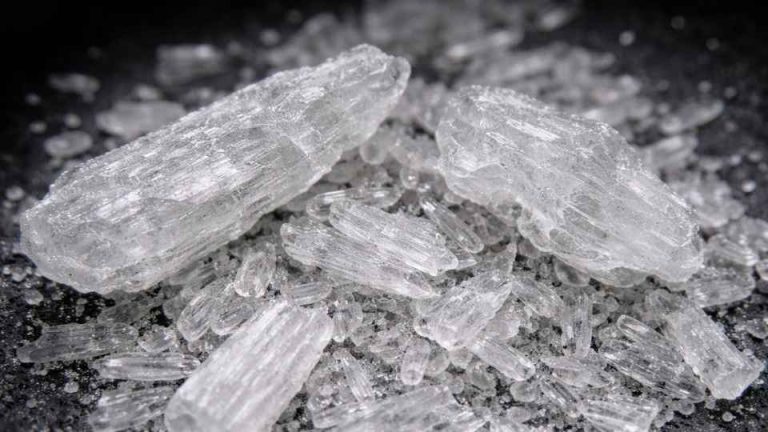
Ice, a street name for crystal methamphetamine, is a potent, synthetic stimulant drug that is often more powerful than lower-purity forms of methamphetamine. This dangerous drug has devastated communities and individual lives. If you or someone you love is struggling with ice, professional methamphetamine addiction treatment can provide the clinical care needed to begin recovery.
In this guide, we break down the science behind ice, the risks of using ice, and how to find help through evidence-based treatment options and support services.
What Is the Drug Ice and Where Does It Come From?
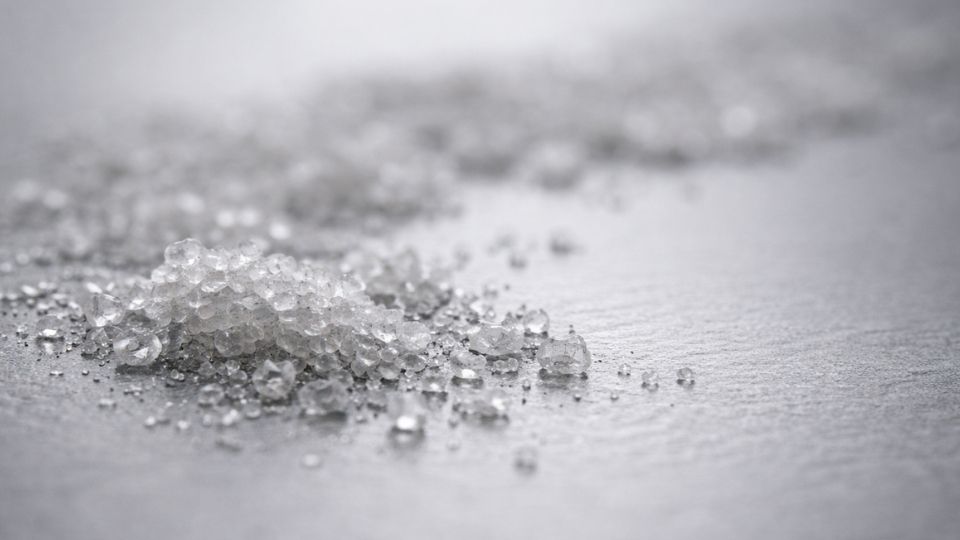
Ice is the crystalline form of methamphetamine that typically appears as small, translucent to white, jagged crystal shards or a white or brownish crystalline substance resembling ice crystals or glass. The drug is a type of methamphetamine, a powerful stimulant drug that speeds up messages between the brain and the body.
Methamphetamine differs chemically from amphetamine by an additional methyl group, which contributes to its stronger central nervous system effects.
Ice is often sold at a higher purity than some powder methamphetamine products, making it especially potent, though purity can vary widely by source and market. Making meth in illegal labs involves hazardous chemicals and toxic byproducts, which contribute to its toxicity and strong smell.
The Drug Enforcement Administration classifies methamphetamine as a Schedule II controlled substance. The Drug Enforcement Administration reports that methamphetamine is a major trafficked illicit drug. Using methamphetamine (ice) is illegal, and laws impose penalties for possessing, using, or selling it.
To better understand the scope of this epidemic, you can read our complete guide on what crystal meth is and how it differs from other stimulants.
How Ice Crystal Differs From Other Forms of Meth
Methamphetamine comes in several forms, including a white or brown powder, tablets, and the crystalline form known as ice. Ice crystal is often more potent than other forms of methamphetamine and is associated with especially serious harms.
The drug is known by many aliases depending on its purity and form, including the common street name ‘crank,’ which refers to a specific type of methamphetamine Other drugs in the meth family may be found in powder form or as a brown powder. Ice is most commonly smoked using a small glass pipe, sometimes called ice pipes, or injected. It can also be ingested orally.
Ice crystal is distinct because of its appearance, small crystals that look like shattered glass. To learn more, read our guide on what meth looks like in all its forms.
What Does Crystal Methamphetamine Do to the Brain?
Ice causes a massive surge of dopamine in the brain, leading to a rapid and intense “rush.” This flood of dopamine is what makes crystal methamphetamine so highly addictive.
The National Institute on Drug Abuse has documented how meth disrupts normal brain function. Research from the National Institute highlights that repeated drug abuse disrupts dopamine signaling and reward function, making it harder for a person to experience pleasure from everyday activities over time.
Ice is associated with cognitive decline, resulting in memory loss and impaired decision-making, along with structural brain changes.
How Ice Affects the Body: Short-Term and Immediate Risks
Users of ice may experience intense bursts of energy, increased alertness, rapid heart rate, elevated blood pressure, excessive sweating, and a significant reduction in appetite. Compared to other drugs, ice produces far more intense stimulant effects on the body.
The effects of ice can last many hours, but users may struggle to sleep for an extended period afterward. This extended wakefulness causes severe exhaustion, sleep problems, and impaired judgment.
Short-Term Effects of Using Ice
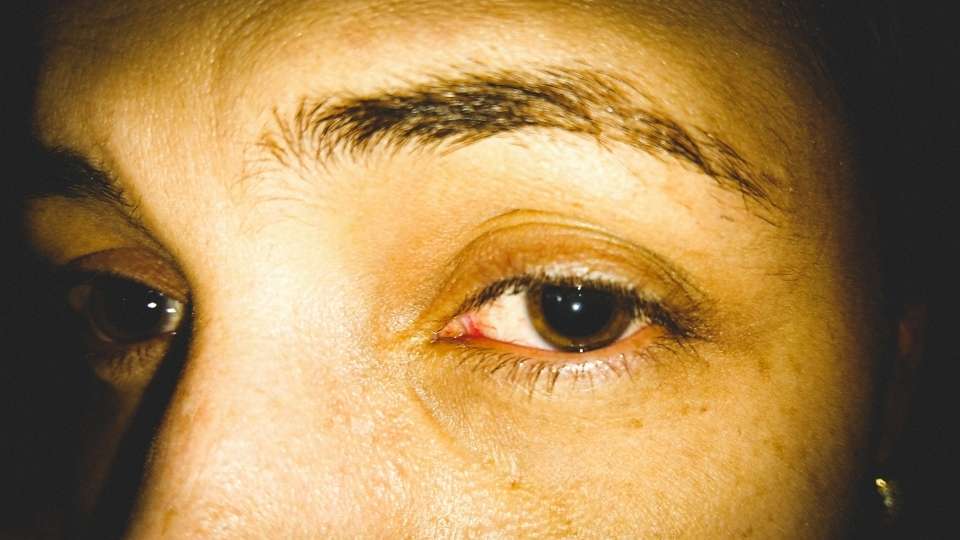
When someone begins using ice, even at relatively low doses, the body responds immediately. The following symptoms are commonly reported:
- Enlarged pupils and dry mouth
- Increased sex drive and heightened confidence
- Rapid weight loss and reduced appetite
- Elevated body temperature and excessive sweating
- Severe headache and chest pain
- Mood swings, agitation, and violent behavior
- Paranoia and emotional problems
High doses can intensify these reactions dramatically. A strong batch of ice or using more meth than the body can handle can quickly lead to a medical emergency requiring an emergency department visit.
Ice Overdose: Recognizing the Warning Signs
Overdosing on ice can lead to severe health complications, including heart issues and death, especially if taken in large amounts or if the batch is particularly strong. Knowing the following symptoms of an ice overdose could save a life:
- Heart attack or irregular heartbeat
- Dangerously high body temperature
- Kidney problems or organ failure
- Seizures or loss of consciousness
- Chest pain and difficulty breathing
- Severe headache and confusion
If you suspect someone is experiencing an ice overdose, call emergency services immediately. Ambulance officers are trained to manage stimulant overdoses and can provide life-saving care. There is no safe level of drug use, and ice carries severe, unpredictable risks to both physical and mental health. Many people starting their recovery journey are concerned about the detoxification timeline and how long methamphetamine stays in your system after the last use.
Long-Term Effects of Meth Use
Long-term use of ice can result in chronic physical and mental health problems, including severe psychological issues and increased risk of dependence.
Regular use of ice can result in increased tolerance, meaning users need to consume larger amounts to achieve the same effect. Many users find themselves taking more meth just to feel normal, a hallmark of substance abuse. The rapid physical decline caused by the drug is often shocking, as shown in these crystal meth images and before-and-after photos that document the damage.
Ice is highly addictive, and individuals can quickly develop a dependence on it, feeling the need to use it just to function in daily life. Understanding the stages of addiction recovery can help families recognize what steps to take.
Mental Health Consequences of Drug Use
Regular use of ice can cause long-term mental health issues, including anxiety and depression, which may persist for weeks or months after cessation. SAMHSA has documented the strong link between stimulant drug abuse and psychiatric disorders.
High doses and frequent use of ice can cause “ice psychosis,” characterized by paranoia and hallucinations. These symptoms may improve after stopping use, but for some individuals, these psychological challenges can become chronic or persist for weeks or months.
Suicidal thoughts, emotional problems, and mood swings are also common among people engaged in ongoing meth use. If you or someone you know is dealing with anxiety alongside substance use, specialized dual-diagnosis care is available.
Ongoing research continues to study how methamphetamine damages mental health over extended periods. This body of research underscores the importance of seeking help early.
Physical Health Damage From Using Ice
Sustained use leads to devastating physical and psychological effects; you can learn more about the long-term consequences of methamphetamine use on the body and mind here. Physical health risks associated with ice use include cardiovascular damage, dental decay, and organ damage. Below is a summary of key health consequences:
| Health Area | Specific Risks |
|---|---|
| Cardiovascular | Cardiac arrest, high blood pressure, irregular heartbeat |
| Dental (Meth Mouth) | Severe decay, dry mouth, dental problems, cracked teeth |
| Neurological | Memory loss, cognitive decline, nervous system damage |
| Organ Damage | Kidney problems, liver damage, elevated body temperature |
| Skin and Appearance | Sores, rapid weight loss, premature aging |
| Immune System | Increased vulnerability to infection, especially if users share needles |
| Mental Health | Depression, anxiety, psychosis, violent behaviour |
Injecting ice increases the risk of blood-borne diseases, particularly if needles are shared, which can cause serious health consequences. Needle and syringe programs (NSPs) provide access to clean needles and syringes, which can significantly reduce the risk of blood-borne diseases for individuals who inject drugs.
Meth Mouth and Dental Decay
One of the most visible long-term effects of meth use is meth mouth. This involves severe dental problems, including cracked, blackened, and rotting teeth caused by dry mouth, teeth grinding, and poor oral hygiene.
Meth mouth develops because the drug reduces saliva production, leading to persistent dry mouth. Addressing these issues requires dental and medical intervention alongside substance abuse treatment.
The Alcohol and Drug Foundation on Ice
The Alcohol and Drug Foundation provides resources about crystal methamphetamine and its impact on communities. According to this organization, ice remains one of the most destructive illicit substances. Resources are available in other languages for diverse communities.
Pill testing or drug checking services may help users determine if a drug is unusually strong or mixed with other substances in some regions, reducing the risk of harm. However, the safest approach remains avoiding illegal methamphetamine entirely.
Mixing ice with alcohol or more than one drug dramatically increases the danger. Combining these substances can mask intoxication and increase the risk of alcohol poisoning. If you are struggling with substance and alcohol use, understanding polydrug risks is critical.
Ice and the Central Nervous System
As a stimulant drug, ice directly impacts the central nervous system by flooding neural pathways with dopamine. This overstimulation produces the intense energy and euphoria users experience.
Over time, chronic methamphetamine use can lead to tremors and impaired motor function. The National Institute on Drug Abuse has published research on how stimulant addiction rewires the brain’s reward pathways..
Withdrawal Symptoms and the Road to Recovery
Withdrawal symptoms from ice can be challenging and may include fatigue, depression, and intense cravings, typically lasting about a week but sometimes persisting longer. When a person stops using ice, the body must readjust. The path to sobriety begins with managing the difficult symptoms of methamphetamine withdrawal and knowing what to expect during the first few days of detox
How the Body Responds When a Person Stops Using Ice
The crash that follows ice use can be severe. Common withdrawal symptoms include extreme tiredness, sleep problems, increased appetite, depression, and irritability.
Seeking professional help and support services can assist individuals in managing their ice use and navigating withdrawal symptoms, which can be challenging without guidance. A medically supervised drug detox program provides clinical support to ensure safety throughout withdrawal.
For those wondering how long it takes to get sober after ice use, the timeline varies based on the duration of use and overall health.
Treatment Options and Support Services
Recovery from ice dependence is possible with the right combination of clinical care, therapy, and ongoing support services. SAMHSA recommends integrated treatment that addresses both substance abuse and co-occurring psychological conditions.
Finding Help Through a Substance Abuse Treatment Program
If ice use has taken over your life, a structured meth addiction treatment program offers the best path forward. Many support services offer resources in other languages. Those who inject ice and share needles face additional risks. Unlike other drugs, methamphetamine dependence often requires longer treatment. Programming begins with supervised detox and addresses the root causes of drug abuse.
At a quality treatment center, clients receive care targeting both physical and psychological dimensions of substance abuse. Individual therapy for addiction plays a central role.
Building a solid aftercare plan for substance abuse is equally important. Understanding common relapse triggers empowers individuals to protect their sobriety long after leaving treatment. For a clear overview of the process, see our guide on what happens in rehab.
FAQs About Ice and Crystal Meth
What Are the Immediate Signs That Someone Is Using Ice?
Immediate signs of ice use include enlarged pupils, rapid speech, increased energy, agitation, mood swings, dry mouth, and reduced appetite. Users may display violent behavior or an inability to sleep. If you notice these signs alongside items like a small glass pipe or ice pipes, substance abuse may be occurring.
Can You Overdose on Ice the First Time You Use It?
Yes, it is possible to overdose on ice the first time. Because users have no established tolerance, even a moderate dose, or a strong batch, can overwhelm the body. An ice overdose can cause heart attack, seizures, dangerously high body temperature, and death. If you observe these warning signs, contact ambulance officers immediately.
How Does Ice Differ From Cocaine and Other Stimulants?
While both ice and cocaine are stimulant drugs, ice produces a much longer-lasting high, often lasting many hours compared to cocaine’s shorter duration. Unlike other drugs in this class, methamphetamine is strongly associated with cognitive impairment, psychosis, and other serious harms, especially with sustained use.
If you or a loved one is struggling with ice or substance abuse, Bright Paths Recovery is here to help. Learn about our personalized treatment programs and take the first step toward lasting recovery.