

If you have spent any time around conversations about drugs, you may have heard the phrase “8 ball” tossed around. It sounds harmless, almost playful, but in the world of cocaine use, it refers to a specific quantity of a powerful and dangerous stimulant. Understanding what an 8 ball of cocaine actually is, how much it costs, and why it carries such serious risks can help you recognize warning signs in yourself or someone you love. It can also be the first step toward getting professional help through a structured medical detox program.
This guide breaks down everything you need to know about the 8-ball of Coke, from the amount it contains and the typical price to the physical and mental dangers it poses. Cocaine addiction can escalate over time, especially as tolerance develops and people begin using larger or more frequent doses. Knowing the facts gives you the power to make safer, more informed decisions.
What Is an 8 Ball?

So, what is an 8-ball exactly? In drug slang, an 8 ball refers to one eighth of an ounce of a substance, most commonly cocaine. That works out to roughly 3.5 grams. The term is most often associated with cocaine, but it is also used to describe the same weight of crystal methamphetamine and, in some regions, other powdered drugs.
The “8 ball” name is a reference to fractions. An ounce contains eight eighths, so a single eighth of an ounce became known as an “8 ball.” Some people also connect the name to the black 8 ball used in the game of pool, partly because the amount is small and dense when packaged, and partly because of the gambling and underground culture the term grew out of. Regardless of the exact origin, when someone refers to an 8-ball cocaine purchase, they are almost always talking about 3.5 grams.
It is worth pointing out that 3.5 grams is a substantial amount for a single person. A line of cocaine can vary widely in size, but if a single use is measured in tens of milligrams, an 8-ball can contain dozens of individual-use amounts. People who buy at this quantity may be using heavily, sharing with others, or, in some cases, reselling. Buying or possessing an 8 ball of coke is often a warning sign that use has moved beyond casual, occasional use.
Because the same term gets used for more than one form of the drug, it helps to understand the difference between crack and powder cocaine before assuming what an 8 ball contains.
Common Cocaine Measurements and Slang
Cocaine is sold in a range of quantities, each with its own street name. Understanding these terms can help loved ones recognize what they might be seeing or hearing. Here are some of the most common units:
- A bump or a line: A single small dose, often a fraction of a gram.
- A gram (a “G”): One gram of cocaine, frequently the smallest amount sold at the street level.
- An 8 ball: One eighth of an ounce, or about 3.5 grams.
- A quarter: A quarter ounce, or roughly 7 grams.
- A half: A half ounce, or about 14 grams.
- An ounce (an “O” or “zip”): A full ounce, or roughly 28 grams.
When the conversation jumps from grams to 8 balls and beyond, it often signals that tolerance is rising and use is becoming more frequent. This pattern is one of the clearest markers of a developing stimulant addiction.
How Much Cocaine Is in an 8 Ball?
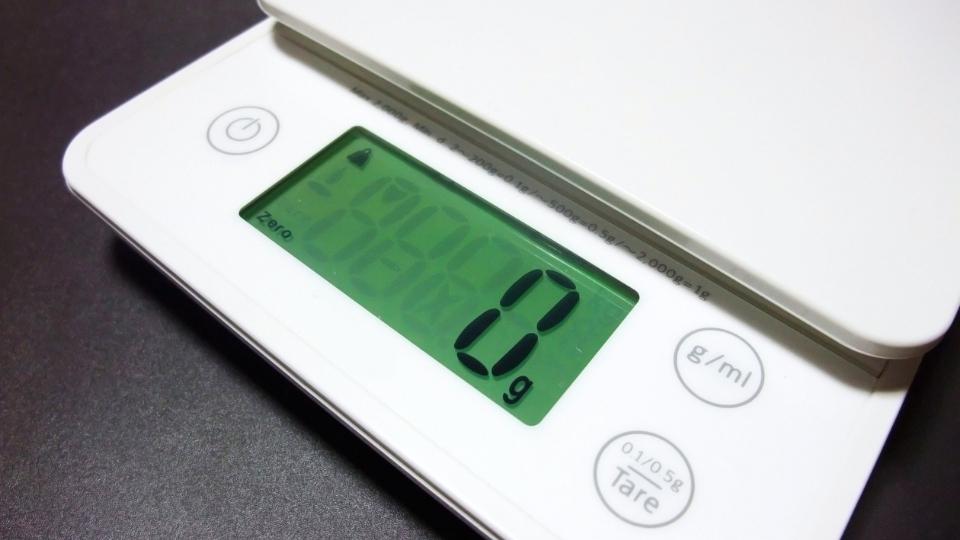
The simple answer is that an 8-ball of cocaine contains approximately 3.5 grams. More precisely, one eighth of an ounce equals 3.5436875 grams, but dealers and users almost always round down to 3.5 grams. In practice, the real amount can vary because cocaine sold on the street may be “cut,” diluted, or adulterated with other substances to stretch the supply and increase profit.
This is one of the most dangerous realities of buying any amount of cocaine, including an 8-ball. The buyer has no reliable way to know how much of the powder is actual cocaine and how much is a filler or an entirely different drug. Possible cutting agents can include inert powders, local anesthetics like lidocaine, and far more dangerous additives.
Why the Real Amount Often Varies
The purity of street cocaine can fluctuate widely. One 8-ball might be much stronger than another from a different source, even if the amount looks the same. This inconsistency is part of what makes cocaine so unpredictable and so deadly. A person who has built up a tolerance to a weaker batch can take what they believe is a normal dose from a stronger or contaminated batch and suffer an overdose.
Cocaine across the United States may also be contaminated with fentanyl or other synthetic opioids, creating a serious overdose risk, especially for people without opioid tolerance. Because fentanyl is extremely potent, very small amounts can be fatal. To understand more about how drugs get contaminated and what the term means, it helps to read about what it means when a drug is “laced”. The bottom line is that an 8-ball is never a guaranteed, measured product. It is a gamble with potentially lethal stakes.
How Much Is an 8 Ball of Cocaine?
One of the most common questions people ask is “how much is an 8-ball” of cocaine? The answer depends heavily on location, purity, supply, and the relationship between buyer and seller. As a broad, non-authoritative estimate, an 8-ball of coke may cost somewhere between 120 and 300 dollars in some United States markets. In areas with limited supply or higher purity, the price can climb higher.
To put that figure in context, here is a breakdown of common cocaine quantities and their approximate street price ranges. These figures are broad estimates meant for educational and awareness purposes only and can vary significantly by region and over time.
| Quantity | Common Slang | Approximate Weight | Typical Street Price Range |
|---|---|---|---|
| Single dose | Bump, line | Less than 0.1 gram | $5 to $15 |
| Gram | A gram, a “G” | 1 gram | $60 to $100 |
| 8 ball | 8 ball, eight ball | 3.5 grams | $120 to $300 |
| Quarter ounce | A quarter | 7 grams | $200 to $500 |
| Half ounce | A half | 14 grams | $400 to $900 |
| Ounce | An “O,” a zip | 28 grams | $800 to $1,800 |
So, how much is an 8-ball of coke in practical terms? Buying at the 8-ball level usually offers a lower per-gram price than buying single grams, which is exactly why heavier users and people who sell often purchase in this quantity. The “bulk discount” mentality is part of what fuels escalating use. As the cost per gram drops, people may rationalize buying and using more, accelerating the cycle of addiction.
The Hidden Costs Beyond the Price Tag
The dollar figure on an 8-ball is only the most visible expense. The true cost of cocaine use reaches into nearly every part of a person’s life. Frequent buyers can spend hundreds or even thousands of dollars per week, draining savings, maxing out credit cards, and borrowing money they cannot repay.
Beyond money, there are the costs to health, relationships, employment, and freedom. Cocaine possession carries serious legal penalties, and in some jurisdictions and circumstances, the amount in an 8-ball can contribute to more serious charges, especially if other evidence suggests intent to distribute. The financial price of an 8-ball is real, but it is often the smallest part of what the drug ultimately takes from a person.
Why Is It Called the 8 Ball Drug?
The phrase “8 ball drug” has become shorthand in popular culture, music, and movies, which has spread the term well beyond the people who actually use cocaine. As noted earlier, the clearest explanation is the measurement. One eighth of an ounce is an “eighth,” and an eighth came to be called an 8 ball.
The black 8 ball from pool may have reinforced the imagery, since the amount, when bagged, is small and dense. Over time, the term stuck and became one of the most widely recognized pieces of drug slang in the country. Hearing someone casually mention an 8 ball, whether in person or in the media, should not minimize the danger. The slang may sound lighthearted, but the substance behind it is one of the most addictive and harmful stimulants available.
Hearing the slang casually is also a good reason to learn the signs someone is on cocaine, since the language tends to circulate among people who are already using.
The Dangers of an 8 Ball of Cocaine
Cocaine is a powerful central nervous system stimulant, and an 8-ball represents a large quantity of it. The dangers of using this much cocaine, especially over a short period, are severe and can be life-threatening. Cocaine works by flooding the brain with dopamine, the chemical associated with pleasure and reward. This produces an intense but short-lived high, followed by a crash that drives people to use again and again.
Here are some of the most significant dangers associated with cocaine use at the 8-ball level:
- Cardiovascular emergencies: Cocaine constricts blood vessels and spikes heart rate and blood pressure, which can cause heart attacks, strokes, and dangerous irregular heart rhythms even in young, healthy people.
- Overdose: Using large amounts increases the risk of overdose, which can lead to seizures, hyperthermia, respiratory failure, and death.
- Fentanyl poisoning: Contaminated cocaine can contain fatal doses of fentanyl, putting users at risk of opioid overdose without their knowledge.
- Severe paranoia and psychosis: Heavy or binge use can trigger intense paranoia, hallucinations, and aggressive or erratic behavior.
- Damage to the nose and lungs: Snorting cocaine destroys nasal tissue over time, while smoking it harms the lungs.
Rapid addiction: Cocaine is highly addictive, and buying at the 8-ball level can reflect tolerance, heavier use, sharing, or possible resale. Using this much in one sitting sharply raises the danger of a cocaine overdose, a medical emergency that can turn fatal within minutes.
Short-Term Effects
In the short term, cocaine produces a surge of energy, alertness, confidence, and euphoria. People may feel talkative, restless, and invincible. These effects are short-lived and can last from minutes to around half an hour or longer, depending on the route of use, which encourages repeated dosing. The body pays a price almost immediately. Even a single use can cause a racing heart, elevated blood pressure, dilated pupils, reduced appetite, and anxiety. With an amount as large as an 8 ball, the temptation to keep using through the night dramatically raises the risk of a medical crisis.
The rush is intense but short, and our guide on how cocaine makes you feel breaks down the high, the crash, and why the cycle repeats
Long-Term Effects
Over time, regular cocaine use reshapes the brain and damages the body. Long-term users frequently experience chronic anxiety, depression, irritability, paranoia, and difficulty experiencing pleasure from anything other than the drug. Physically, the consequences can include heart disease, lung damage when smoked, severe weight loss, nasal damage when snorted, and disrupted sleep. The cycle of bingeing and crashing wears down both mental and physical health, and it becomes harder to function normally without the drug.
The Crash and the Binge Cycle
One reason an 8-ball is so dangerous is that it can encourage binge use. Because the high fades quickly and the comedown feels miserable, people may continue using over a single session or over a few days. This binge pattern floods the body with repeated doses, multiplying the risk of overdose and putting enormous strain on the heart and brain. The crash that follows brings exhaustion, depression, intense cravings, and sometimes suicidal thoughts, which push many people right back toward using again.
Signs of Cocaine Addiction
Recognizing the signs of cocaine addiction early can be lifesaving. Cocaine use disorder develops as the brain becomes dependent on the drug to function and to feel normal. If you are concerned about yourself or someone close to you, watch for these common warning signs:
- Escalating use: Moving from grams to 8 balls or larger amounts, or using more frequently than before.
- Financial trouble: Unexplained spending, borrowing money, selling possessions, or struggling to cover basic expenses.
- Mood swings: Periods of high energy and confidence followed by deep crashes, irritability, and depression.
- Physical signs: Frequent nosebleeds, runny nose, dilated pupils, weight loss, and disrupted sleep.
- Secrecy and isolation: Withdrawing from family and friends, lying about activities, and hiding drug use.
- Failed attempts to quit: Wanting to stop or cut back but being unable to, despite negative consequences.
- Neglecting responsibilities: Missing work, ignoring family obligations, and losing interest in activities that once mattered.
If several of these signs sound familiar, it may be time to learn more about the different types of substance use disorders and the treatment options available. Addiction is a medical condition, not a moral failing, and it responds well to professional care. Physical clues such as nosebleeds and noticeably dilated pupils often show up before someone admits there is a problem.
How Long Does Cocaine Stay in Your System?
People often want to know how long cocaine remains detectable after use. The answer depends on the dose, frequency of use, metabolism, and the type of test. In general, cocaine itself clears the body quickly, but its main metabolite, benzoylecgonine, lingers longer and is what many drug tests look for.
As a rough guide, urine tests may detect cocaine metabolites for several days after use, with longer windows possible after heavy or repeated use. Blood and saliva tests typically detect it for a shorter period, while hair tests can reveal cocaine use for up to 90 days. Detection varies by test cutoff, dose, frequency, metabolism, and specimen type. For a more detailed breakdown of detection windows and the factors that influence them, see our guide on how long cocaine stays in your system.
Cocaine Detox and Treatment
Stopping cocaine after regular use is not as simple as deciding to quit. While cocaine withdrawal is not usually life-threatening in the way that alcohol or benzodiazepine withdrawal can be, it is intensely uncomfortable and emotionally overwhelming. The crash period brings powerful cravings, fatigue, depression, vivid and unpleasant dreams, increased appetite, and sometimes thoughts of self-harm. These symptoms make relapse extremely common when people try to quit on their own.
This is where professional treatment makes a real difference. A medically supervised detox or withdrawal support program provides a safe, supportive environment where a person can stabilize while trained staff monitor physical and mental health. Because cocaine withdrawal is often more psychological than medically dangerous, continued treatment after detox is essential.
What Detox Looks Like
During drug detox treatment, the focus is on stabilization and comfort. Medical professionals manage withdrawal symptoms, watch for complications, and provide emotional support during one of the most difficult phases of getting clean. Because cocaine withdrawal is largely psychological, having mental health support during detox is especially important. Many people experience severe depression and anxiety as the brain adjusts to functioning without the constant flood of dopamine.
Why Treatment Has to Continue After Detox
Detox alone is rarely enough to maintain long-term sobriety. The underlying patterns, triggers, and emotional drivers behind cocaine use need to be addressed through ongoing therapy and support. Effective treatment usually includes individual counseling, group therapy, behavioral therapies that retrain thought patterns, contingency management, and relapse prevention planning. Understanding the stages of addiction recovery can help set realistic expectations for the journey ahead. Recovery is a process that unfolds over time, with each stage building on the last.
Getting Help at Bright Paths Recovery
If you or someone you love is using cocaine at the 8-ball level or beyond, the situation is serious, but it is not hopeless. People recover from cocaine addiction every day with the right support and a treatment plan tailored to their needs. The escalation from grams to 8 balls is a warning sign that should not be ignored, and reaching out for help is a sign of strength, not weakness.
At Bright Paths Recovery, our team understands the physical and emotional grip that cocaine can have. We offer compassionate, evidence-based care that begins with safe medical detox and continues through personalized therapy and aftercare planning. Whether you are worried about your own use or trying to help a family member, you do not have to navigate this alone. Help is available, and recovery is possible.
The numbers behind an 8 ball, the amount, the price, and the dangers all point to the same conclusion. Cocaine is a high-risk drug that takes a heavy toll on health, finances, and relationships. The sooner a person reaches out for help, the better the chances of avoiding the worst outcomes and building a healthier, drug-free life.
What Is an 8 Ball of Cocaine? Frequently Asked Questions
How much is an 8-ball of coke?
An 8-ball of coke is often reported in the 120 to 300 dollar range in some United States markets, though prices vary widely by region, purity, supply, and time. Buying at this quantity often lowers the per-gram price, which is one reason heavier users purchase 8 balls instead of single grams.
How many grams is an 8-ball?
An 8-ball is one eighth of an ounce, which equals about 3.5 grams of cocaine. That amount can contain dozens of individual-use amounts, so possessing an 8-ball may point to heavy use, sharing, or distribution rather than occasional recreational use.
Why is it called an 8-ball drug?
The term ” 8-ball ” drug comes from the measurement involved. An ounce contains eight eighths, so one eighth of an ounce became known as an 8 ball. The name is also sometimes linked to the black 8 ball from pool, since the bagged amount is small and dense.