
Bright Paths Recovery
Top Dual Diagnosis Treatment Centers Los Angeles
Many individuals struggling with addiction are also facing underlying mental health conditions such as depression, anxiety, or trauma. When these challenges occur together, treatment must address both. At Bright Paths Recovery, our dual diagnosis programs provide integrated care that treats substance use and mental health at the same time, supporting meaningful and lasting recovery.




10+ Years
of Evidence-Based Care
24/7
Recovery Support


Dual Diagnosis Programs Los Angeles
What is Dual Diagnosis Treatment?
Dual diagnosis refers to a situation where an individual is living with both a substance use disorder and a co-occurring mental health condition, such as depression, bipolar disorder, and/or other cognitive conditions that cause mental instability. Because drug addiction and mental health are closely connected, effective treatment must address them together through coordinated clinical care.
How Does Dual Diagnosis Treatment Support Lasting Recovery?
Co-Occurring Mental Health Treatment
How We Treat Co Occurring Mental Health Disorders
What Therapies Are Used In Dual Diagnosis Treatment?
Dual diagnosis treatment uses evidence-based therapies that address both mental health and substance use, helping individuals understand triggers, build coping skills, and support recovery.
- Art Therapy
- Cognitive Behavioral Therapy
- Dialectical Behavioral Therapy

Integreated, Whole-Person Care
Co-Occurring Mental Health Disorders We Treat
Individuals struggling with addiction are often facing challenges involving both substance abuse and mental health at the same time. At Bright Paths Recovery, our dual diagnosis treatment program addresses co-occurring mental health disorders with individualized, evidence-based care. Because every person’s experience is different, treatment plans are carefully tailored to support each client’s unique clinical needs, emotional health, and long-term recovery.
Depression Treatment

Anxiety Treatment

PTSD Treatment

Bipolar Treatment
Bipolar disorder can cause dramatic shifts in mood, energy, and behavior that make recovery more complex. At Bright Paths Recovery, bipolar treatment focuses on stabilizing mood while addressing co-occurring mental health disorders and addiction together. Individualized care plans, therapy, and structured clinical support help clients develop emotional balance, stability, and sustainable recovery habits.

OCD Treatment

Schizoaffective Treatment
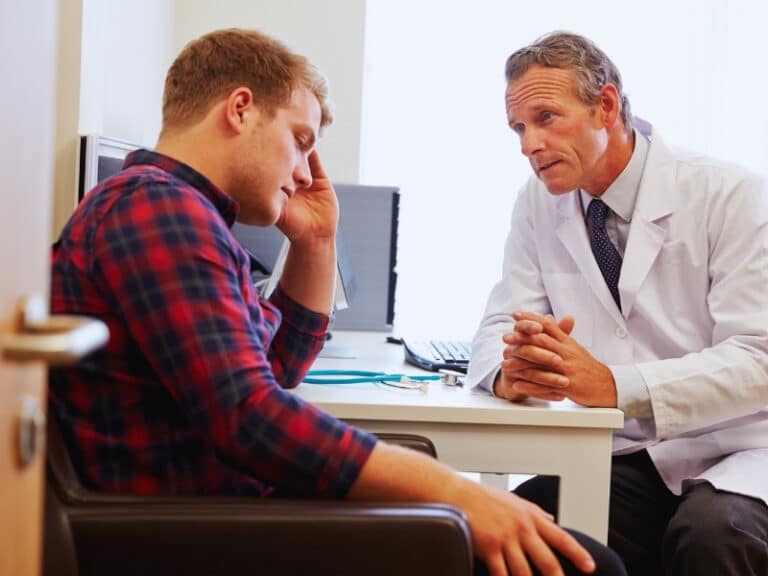
Is Dual Diagnosis Treatment Right For You?
Benefits Of Dual Diagnosis Rehab
Conditions such as depression, anxiety, post-traumatic stress, and bipolar disorder frequently occur alongside substance use disorders. At Bright Paths Recovery, our programs are designed to recognize and treat these mental conditions as part of a holistic recovery approach.
Integrated Treatment For Mental Health And Addiction
Dual diagnosis rehab treats addiction and mental health conditions at the same time rather than separately. At Bright Paths Recovery, this integrated approach helps clients understand how substance use and emotional health influence each other. Addressing both conditions together allows clinicians to stabilize symptoms, strengthen coping skills, and create a more effective foundation for lasting recovery.
Personalized Treatment Plans
No two individuals experience addiction or mental health conditions in the same way. Dual diagnosis rehab at Bright Paths Recovery begins with a thorough clinical assessment to understand each client’s history, symptoms, and goals. Treatment plans are carefully individualized so therapy, clinical support, and recovery strategies address the specific challenges each person is facing.
Evidence-Based Clinical Care
Dual diagnosis treatment relies on proven therapeutic approaches that address both addiction and mental health conditions. At Bright Paths Recovery, clinicians use evidence-based modalities such as cognitive behavioral therapy, trauma-informed care, and structured counseling to help clients develop healthier thought patterns, improve emotional regulation, and build the practical skills needed for long-term recovery.
Improved Emotional Stability
When mental health symptoms remain untreated, recovery can feel unstable and overwhelming. Dual diagnosis rehab helps clients better understand emotional triggers, mood patterns, and behavioral responses connected to substance use. Through therapy and clinical support, individuals learn to regulate emotions more effectively, improving daily stability while strengthening their ability to maintain long-term sobriety.

Whole-Person Healing
Addiction affects emotional health, relationships, physical wellbeing, and daily functioning. Dual diagnosis rehab focuses on treating the whole person rather than only addressing substance use. At Bright Paths Recovery, treatment combines therapy, wellness support, and structured care to help clients rebuild healthy routines, strengthen personal responsibility, and develop a balanced, sustainable lifestyle in recovery.
Stronger Long-Term Recovery Outcomes
Treating addiction without addressing mental health challenges can increase the risk of relapse. Dual diagnosis rehab helps clients build long-term stability by strengthening emotional health, coping skills, and support systems. By treating substance use and mental health together, individuals leave treatment with a clearer understanding of their challenges and stronger tools for maintaining recovery.
FAQ's
Frequently Asked Questions About Dual Diagnosis Treatment
What is an example when addiction and mental health disorders occur together?
A dual diagnosis occurs when a person experiences both a substance use disorder and a mental health condition simultaneously. For example, someone may struggle with opioid addiction while also living with depression or PTSD. These conditions often influence each other, which is why effective treatment focuses on addressing both mental health and substance use together.
Can someone with both addiction and a mental health disorder qualify for disability benefits?
In some cases, individuals living with both addiction and a mental health disorder may qualify for disability benefits, depending on how severely the conditions impact daily functioning. Eligibility usually depends on the underlying mental health condition and whether it significantly limits the ability to work, maintain relationships, or manage everyday responsibilities.
What are helpful ways to support a loved one dealing with both addiction and mental health challenges?
Supporting someone with co-occurring disorders often begins with encouraging professional treatment that addresses both conditions simultaneously. Offering patience, listening without judgment, and learning about mental health and addiction can also help. Family support, education, and healthy boundaries play an important role in helping individuals stay engaged in treatment and recovery.
How frequently do substance use disorders occur alongside mental health conditions?
Co-occurring mental health and substance use disorders are relatively common. Many individuals who struggle with addiction also experience conditions such as depression, anxiety, or trauma-related disorders. This overlap occurs because mental health symptoms may lead people to self-medicate, while substance use can worsen existing psychological challenges over time.
Which treatment methods tend to work best for people facing co-occurring disorders?
The most effective approach for co-occurring disorders is integrated treatment that addresses addiction and mental health conditions at the same time. Programs often include evidence-based therapies, psychiatric care, medication management when appropriate, and structured support. Treating both conditions together helps improve stability and lowers the risk of relapse during recovery.
Mental Health Treatment & Addiction Recovery - All In One Place
You do not have to face addiction and mental health challenges alone. Structured, evidence-based dual diagnosis treatment can support both substance use recovery and mental health stability through compassionate, professional care.
Our team works closely with individuals and families to develop personalized care plans that prioritize safety, stability, and long-term wellness. Whether you are ready to begin treatment or explore your options, support is available.