
Bright Paths Recovery provides opiate detox in Los Angeles across the full opioid family, prescription painkillers, heroin, and fentanyl: 24/7 medically supervised stabilization in a private 12-bed home, short-term non-maintenance support, and residential treatment waiting on the same hallway.
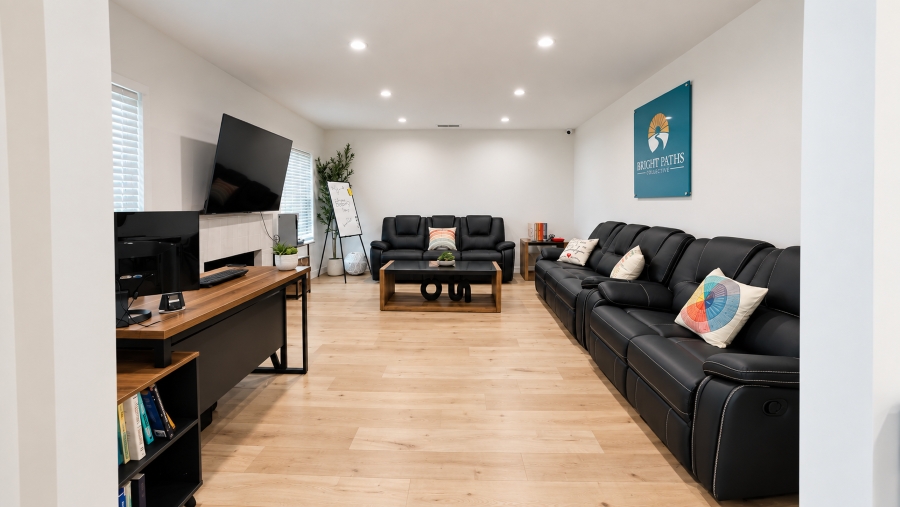
Opiate covers a family, and the family members leave the body on different clocks. Short-acting opioids, most painkillers taken as prescribed or otherwise, bring withdrawal on within roughly a day and peak fast; longer-acting compounds stretch the timeline; and fentanyl, the family’s heavyweight, often runs the longest and hardest exit of all. The symptoms rhyme across the family, aches, sweats, gastrointestinal distress, restlessness, insomnia, anxiety, and the protocol here is timed to your actual pharmacology: which compounds, how long, how much, and what intake screening confirms was really in the supplyNIDA.
Two commitments define opioid detox at Bright Paths. First, comfort is medical: short-term, physician-directed support eases the acute days under 24/7 monitoring, with fluids, food, and sleep managed as treatment rather than left to willpower. Second, non-maintenance is the philosophy: our Medical Director’s forty-year position is that the exit ends with you off substances, not enrolled in a new daily dependency, and the residential weeks exist to make that durable. For the many clients whose story started with a surgery and a legitimate prescription, that second commitment is usually the reason they chose this page over the others they read tonight.

Psychiatry, Addiction Medicine & Sleep Medicine · Reviewed 07-24-2026

The most common opiate story in Los Angeles is not a needle; it is a refill that outlived its injury, then a pharmacy problem, then whatever filled the gap when the pharmacy said no. People carrying that story tend to delay because they dread being handed a label, and no label gets handed out here: person-first language is policy, and the clinical view is simpler, a nervous system that adapted to opioids and deserves a careful exit.
That exit is a phone call away from anywhere in the county: assessment this morning, benefits verified by afternoon, and a private bedroom in our Northridge home by tonight, with the 101, 405, and 118 putting every corner of Los Angeles within reach of same-day admission.

The county’s opioid numbers are finally moving the right direction, and remain historically high. County-level figures, labeled honestly:
Accidental overdose deaths in Los Angeles County fell to 2,298 in 2025, down nearly 30 percent from the 2022 peak, with reductions concentrated in opioid-involved deaths.LA County
Fentanyl-involved deaths dropped 37 percent from 2023 to 2024 yet still accounted for 52 percent of the county’s accidental overdose deaths, keeping opioids the deadliest family in the supply.LA County DPH
Substance-related emergency visits countywide reached 153,276 in 2024, up 18 percent since 2020, with prescription-age adults heavily represented.LA County DPH
The county’s Substance Abuse Service Helpline, 1-844-804-7500, screens and refers around the clock, including to funded opioid programs.RecoverLA
Bending curves are made of individual exits, and every one of them started with a supervised week somewhere. Yours can start with a phone call that takes ten minutes.
Stabilizing your body is step one; what happens next is what decides whether it holds. At Bright Paths, detox flows directly into residential inpatient treatment in the same home with the same team: daily clinical groups, one-on-one therapy, CBT, DBT, and motivational work across a 28 to 40 day stay, about 35 days for most clients. After discharge, the alumni network takes the handoff: a private app, a weekly alumni call, and proactive weekly check-ins from a team whose stated goal is to see every client only one time. Our national medical detox page covers the clinical model in full depth.

Practically, none that should worry you: opiates are the poppy-derived members of the family and opioids the full set including synthetics, and this program detoxes the entire family under one protocol umbrella, timed to the specific compounds you used. The word you searched matters less than the honesty of your intake conversation.
Short-acting opioids typically peak within two to three days and break inside a week; longer-acting compounds and fentanyl stretch the arc, sometimes considerably. Your timeline gets set by your pharmacology at intake, and the residential weeks absorb the tail either way, which is why the honest total here is about 35 days rather than a heroic five.
No: medication support here is short-term, physician-directed comfort during stabilization, and the program’s stated goal is a life off substances rather than a daily maintenance dependency. Families comparing programs should ask this exact question everywhere; the answers divide the industry cleanly.

Painkiller dependence recruits the family into its logic: there was a real injury, a real doctor, a real pharmacy, so for years the pills looked like treatment while they quietly became the condition. If you are the one who finally sees it, start softly and practically: not an accusation, but a plan, benefits verified, a bed available, the pain condition taken seriously by a physician-led team rather than dismissed.
We coach that exact conversation every week, including with spouses of people who still insist the prescription is fine. Call first; arriving with an answer beats arriving with an argument every time it has ever been tried.
Our 12-bed detox home serves the entire Los Angeles area from a quiet residential street in the Valley. You will find us at 10014 Louise Ave in Northridge, and our admissions team coordinates travel from anywhere in the county, often the same day.
Bright Paths Recovery works with most PPO and out-of-network benefits, and our admissions team verifies your coverage for you, free and with no obligation. You will know what your plan covers before you make any decision. We do not accept Medicaid.
Intimate, never institutional.
24/7 oversight from day one.
When the window opens, we move.
Weekly check-ins long after you leave.
It is practically built for you: the prescription-to-dependence arc is the most common opioid story we treat, it carries zero judgment here, and the exit is the same careful medicine regardless of how the entrance looked. Bring the bottles and the honest history; both improve the protocol.
The family signature: muscle and bone aches, sweats and chills, gastrointestinal distress, restless legs, insomnia, anxiety, and low mood, peaking early and breaking within days for short-acting compounds. Managed with short-term comfort support, fluids, food, and monitoring, it is a hard week made survivable, and it ends.
Safer than benzodiazepines or alcohol, but the honest answer is still no for most people: dehydration, underlying conditions, fentanyl surprises in the supply, and the brutal relapse-overdose math after tolerance resets all argue for supervision. The home attempt usually fails on day two anyway; supervised, day two is just Tuesday.
It gets a real plan: our physician-led team assesses the underlying pain honestly, the residential weeks build non-opioid management around movement, sleep, and clinical modalities, and discharge planning includes the conversation your prescriber should have had years ago. Pain is treated as real here; so is the fact that opioids stopped being its answer.
Complex medical pictures get an honest medical answer at intake: some we manage with heightened monitoring, some need a hospital level of care first, and we will tell you which is which immediately rather than gamble with either. Our Medical Director’s dual training in internal medicine and psychiatry is precisely for these calls.
During the acute days, your only job is stabilizing; after them, clients keep phones and laptops through the residential weeks and many maintain a bounded work schedule. The FMLA guide on our site covers the leave conversation most employees never get told about.
Whatever you authorize: your phone stays with you, our team updates your designated contact as you direct, and naloxone education for the household is part of how we discharge every opioid client, because reset tolerance is a family safety fact, not a private one.
Most PPO plans with out-of-network benefits cover a substantial share of supervised detox and residential treatment; verification is free and returns your plan’s real number within hours. We do not accept Medicaid.
License Number: 191375AP. License Expiration: 07-05-2030.