Discreet, Private Treatment in Los Angeles
The higher your professional stakes, the worse standard treatment fits. Large facilities mean large censuses, shared hallways, and the statistical certainty that someone there will recognize your name. Rigid no-contact policies mean your practice, your company, or your caseload goes dark for a month, which for many professionals is not an inconvenience; it is the reason they never go. And institutional settings signal to a high performer exactly what they fear treatment means: the surrender of standards.
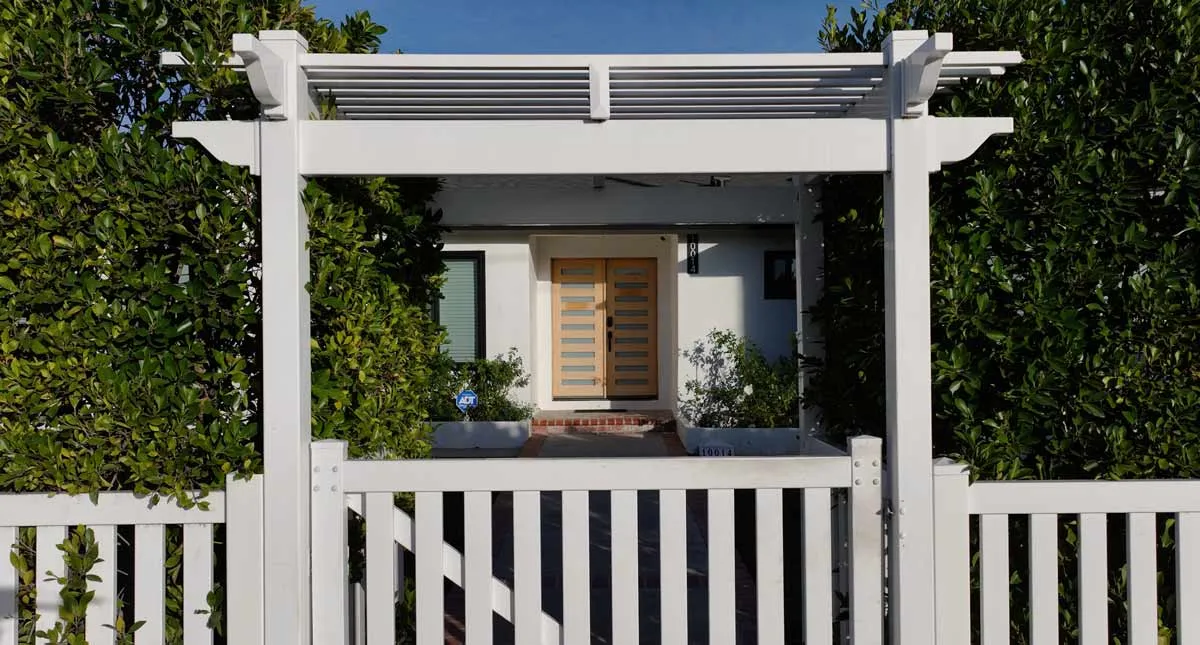
We built the opposite on purpose. Twelve clients in an unmarked, fully remodeled private home. A clinical program with real structure, physician-led detox, and psychologist-led residential care. Federal confidentiality protections under 42 CFR Part 2 that are stricter than ordinary medical privacy. And a working model of recovery: your devices stay with you, your obligations stay managed, and the person who returns to the career is stronger than the one who stepped away from it. Careers do not survive untreated addiction. They routinely survive 35 well-planned days.
There is also a clinical reason this model works for professionals specifically. High performers respond to programs that resemble how they already operate: a structured day with measurable work, a small team with clear accountability, and leadership they can respect, in our case a Medical Director with four decades in addiction medicine and a doctoral-level Clinical Director. Put a professional in a program that feels chaotic or condescending and they will outsmart it by week two. Put them in one that matches their standards and points their discipline at the actual problem, and the same traits that built the career start building the recovery.
Each page below is written for the specific pressures, confidentiality stakes, and career realities of that work. Start where you live.
Absence planning, board-level confidentiality, and the real cost of not going
Care that coordinates with physician health programs and protects the practice
A profession with double the drinking problem and half the permission to admit it
Minutes from the studios, invisible to the industry
Trauma-informed care for the people who run toward it
The company survives 35 days; it does not survive the alternative
The number one question professionals ask us, before cost, before length of stay, is whether treatment means going dark. Here it does not. Clients keep their phones and laptops at Bright Paths Recovery. The clinical day comes first and we help you set boundaries that protect it, but you stay appropriately connected to the people and responsibilities that need you. Same-day admissions mean the decision and the arrival can share a date, a stay runs about 35 days, and if you are weighing time away from work, federal job-protection rules may apply: our plain-language guide to FMLA and rehab covers what most employees never get told.
Every profession below gets the same clinical program; what changes is how we protect what you have built while you are here. Medically supervised detox with 24/7 physician oversight flows directly into residential inpatient treatment: daily clinical groups, one-on-one therapy, CBT, DBT, motivational enhancement, and structured relapse prevention, followed by an alumni network that checks in weekly long after discharge. Stays run 28 to 40 days, about 35 typically, and our stated goal is to see every client only one time.


Twelve beds in a fully remodeled private residence: a private chef cooking restaurant-grade meals daily, a gym with boxing and cardio equipment, a basketball court, a green grounding area, streaming in every room, three stocked kitchens, and a private therapy room. Weekend outings, the ocean, museums, escape rooms, put recovery into practice in the real world. It photographs like a home because it is one.
At Bright Paths, yes. Clients keep their phones and laptops for the length of their stay. The clinical day takes priority and our team helps you build communication boundaries that protect it, but you decide who hears from you and when. For professionals, this single policy usually collapses the biggest barrier between knowing you need treatment and getting it.
Not from us. Substance use treatment records carry federal confidentiality protection under 42 CFR Part 2, stricter than general medical privacy, and a 12-bed unmarked home offers no lobby, no signage, and no crowd. Many clients simply take medical leave; our team can walk you through how FMLA tends to work in practice before you tell anyone anything.
Most clients complete detox and residential care in 28 to 40 days, about 35 on average. Framed against a career, that is one quarter’s vacation allotment plus a sprint of remote availability, and research from the National Institute on Drug Abuse ties adequate time in treatment directly to whether recovery holds. The version of you that returns is the asset.

Most first calls about a professional come from the people orbiting them: a spouse who has watched the polish crack in private, a business partner doing quiet damage control, an assistant who books the flights and sees the pattern, an adult child who noticed the glass never empties because it never sits. You do not need permission, a diagnosis, or their agreement to call us.
Our admissions team will help you understand what treatment would involve, verify benefits confidentially, and coach the conversation itself, including the version where the first answer is no. Professionals rarely accept help the first time it is offered; they accept it when the plan in front of them protects everything they are afraid of losing. Your call is how that plan gets built before the window opens.

Psychiatry, Addiction Medicine & Sleep Medicine · Reviewed 07-24-2026

Bright Paths Recovery works with most PPO and out-of-network benefits, and our admissions team verifies your coverage for you, free and with no obligation. You will know what your plan covers before you make any decision. We do not accept Medicaid.
Intimate, never institutional.
24/7 oversight from day one.
When the window opens, we move.
Weekly check-ins long after you leave.
✈ BUR 20–30 min · pickup available
✈ LAX 40–60 min · pickup available
Bright Paths Recovery is a luxury, medically supervised detox and residential inpatient rehab in Northridge, in the heart of the San Fernando Valley. Our fully remodeled 12-bed home sits on a quiet residential street with no signage and no facility footprint, so your stay stays private from day one.
Our location is one of our quietest advantages. You get true privacy and separation from the environments tied to substance use, while your loved ones stay close enough to join family therapy sessions each week. We are minutes from the 405, 101, and 118 freeways, which puts us within an easy drive of nearly every Los Angeles neighborhood, and within reach of clients traveling from Ventura County, Santa Clarita, and Orange County.
Admissions can be same-day. If you are flying in, we arrange airport pickup from LAX or Hollywood Burbank Airport and plan every step of your arrival with you, so the only thing you have to do is say yes.
Bright Paths Recovery
Three structural things: a 12-bed private home instead of a facility, a keep-your-devices policy instead of a communication blackout, and one team running detox through residential care through alumni support. Most programs offer one of the three. The combination is why professionals choose us.
Anyone 18 and over, but we have built specific depth with executives, physicians, attorneys, nurses, first responders, entertainment industry professionals, business owners, athletes, and pilots. Each has its own page here because each carries different pressures and different career stakes.
Clinical first: physician-supervised medical detox, daily clinical groups, one-on-one therapy, CBT, DBT, and motivational enhancement under a doctoral-level clinical director. The luxury is the setting, a remodeled private home with a chef and a gym, because comfort keeps people in treatment long enough for the clinical work to hold.
Same-day when a bed is open: phone pre-assessment, free benefits verification usually inside a few hours, then arrival. Professionals often decide during a window that closes fast; the machine here is built for that window.
Most PPO plans with out-of-network benefits cover a substantial portion of medical detox and residential treatment. Our admissions team verifies your exact plan free and explains it in plain language before you commit to anything. We do not accept Medicaid.
Yes. Family therapy runs once or twice weekly in our on-site therapy room, and because clients keep their phones, the evening call home is a routine, not a privilege.
Aftercare planning starts while you are here, and the alumni network is genuinely active: a private app connecting you to the team and your cohort, a weekly alumni call, and proactive weekly check-ins where our team reaches out the moment someone looks at risk.
Yes. Substance use is primary here, and the anxiety, depression, or trauma running underneath it is treated alongside by our clinical team. High-performing careers manufacture co-occurring conditions; treating the substance without the driver is how relapse gets scheduled.
If you or someone you love is struggling with addiction, the hardest call is the first one, and it is answered by people who understand exactly where you are. One conversation, no pressure, and a real plan by the end of it.
License Number: 191375AP. License Expiration: 07-05-2030.
Our Location: 10014 Louise Ave, Northridge, Los Angeles, CA 91325