

Alcohol withdrawal sweating at night is common in the first days after heavy, regular drinking stops. It happens because the nervous system, used to alcohol slowing it down, becomes overactive when drinking stops or drops sharply.
Night sweats often ease as acute withdrawal settles over several days, though sleep problems can linger longer. Drenching sweats that come with fever, confusion, or hallucinations are different, because they can signal severe alcohol withdrawal. Since withdrawal can turn serious quickly, many people choose medically supervised alcohol detox instead of stopping alone.
Why Alcohol Withdrawal Causes Night Sweats

About half of people with alcohol use disorder who suddenly stop or cut back develop withdrawal symptoms, according to a 2021 review in American Family Physician [1]. The review describes the cause as overactivity of the central nervous system and the autonomic nervous system.
The autonomic system runs the things a person does not think about, such as heart rate, body temperature, and sweating.
That is why excessive sweating rarely shows up alone. Alcohol induced night sweats tend to travel with a rapid heartbeat, shaky hands, anxiety, and trouble sleeping. Clammy skin, enlarged pupils, nausea, and headache can join in too.
Physical dependence can develop with prolonged heavy alcohol consumption, but the time it takes varies. The body needs time to adjust when alcohol intake stops or drops sharply. Our post on the signs of detoxing from alcohol walks through the other withdrawal symptoms that often appear alongside the sweats.
Why the Sweats Feel Worse at Night
Insomnia and nightmares are both recognized withdrawal symptoms. Many people wake again and again through the night, already anxious, to find their sheets soaked.
Alcohol disrupts sleep on its own, and those sleep disturbances can outlast withdrawal. A person who used to drink to fall asleep may now lie awake, restless and overheated, which makes every episode of sweating more noticeable.
Withdrawal Sweats Versus Other Alcohol Sweats
Withdrawal sweats can begin after regular heavy drinking stops or is sharply reduced, often within hours, alongside other symptoms. Sweating after occasional drinking may have another cause, but the absence of shakes or cravings does not rule out withdrawal.
Sweating the morning after a single night of consuming alcohol, often called hangover sweats, tends to come with other hangover symptoms instead.
Some people feel hot or flush right after alcoholic drinks. Mayo Clinic describes alcohol intolerance as a genetic condition in which the body cannot break down alcohol efficiently, and lists facial flushing and a stuffy nose as common signs.
Mayo Clinic also lists an underlying alcohol use disorder among the conditions linked to night sweats, along with anxiety disorders, menopause, infections, sleep apnea, and certain medications such as antidepressants and methadone [2].
A healthcare provider can help sort out which cause fits. Trying to sweat it out with saunas or hard workouts only adds to fluid loss.
When Do Alcohol Withdrawal Night Sweats Start?
Alcohol withdrawal symptoms tend to begin within 8 hours after the last drink, though they can start days later, according to MedlinePlus [3]. They usually peak between 24 and 72 hours.
Sweating often arrives early, as blood alcohol levels fall, alongside tremor, nausea, and anxiety. For someone who drinks in the evening, night sweats begin for many people as the first wave lands in the middle of the night or by the next morning.
How Long Do Alcohol Night Sweats Last?
Sweating may ease as acute withdrawal settles, but there is no fixed timetable for withdrawal-related night sweats. The 2021 American Family Physician review advises doctors treating mild symptoms outside the hospital to check in daily for up to five days after the last drink [1].
The broader timeline appears in our post on how long it takes to detox from alcohol.
MedlinePlus notes that withdrawal symptoms can go on for weeks. It also says sleep changes, mood swings, and fatigue may last for months. That does not establish how long night sweats should last. Persistent sweating deserves a check-up rather than being assumed to be part of recovery.
Factors That Can Make Sweats Last Longer
The more often a person drinks, the more likely withdrawal symptoms become, and other medical problems can make them more severe. People who have been through alcohol withdrawal before also face higher risk of its most serious complications.
Fluid loss matters as well, since excessive sweating can lead to dehydration and withdrawal can bring vomiting and a poor appetite. Sipping water and electrolyte drinks, if a doctor agrees, along with small meals protects overall health while the body settles.
When Sweats Continue After Withdrawal
True night sweats are heavy enough to soak nightclothes or bedding, and they often come with an underlying condition. Mayo Clinic advises seeing a provider when night sweats occur on a regular basis, interrupt sleep, or come with fever, weight loss, or other new symptoms.
Sweats that persist weeks into sobriety should be mentioned at a medical visit rather than written off as withdrawal. Some medications started in early recovery, including antidepressants, can cause sweating too, and some blood-sugar-lowering diabetes medicines can lead to low blood sugar, which can cause sweating during sleep. A clinician can assess these possibilities rather than assuming alcohol is the only cause.
Anxiety disorders are on Mayo Clinic’s list too, which matters for anyone managing a mental health condition alongside recovery.
When Night Sweats Are a Medical Emergency
Severe night sweats with fever, severe confusion, hallucinations, seizures, or an irregular heartbeat need medical attention right away, so call 911 or go to the emergency room, MedlinePlus advises. These can be signs of delirium tremens, the most severe form of alcohol withdrawal syndrome.
Delirium tremens usually begins 48 to 96 hours after the last drink, but it can appear 7 to 10 days later [4]. Heavy sweating, fever, sudden confusion, and seeing or feeling things that are not there are among its signs. Seizures can also occur on their own, most often in the first 12 to 48 hours.
Hospitals can treat these severe symptoms around the clock, and our post on emergency room detox in Los Angeles explains what an ER can and cannot do when withdrawal turns dangerous.
How to Manage Night Sweats During Alcohol Detox
For people who experience night sweats during detox, comfort steps can make the nights easier while the body adjusts:
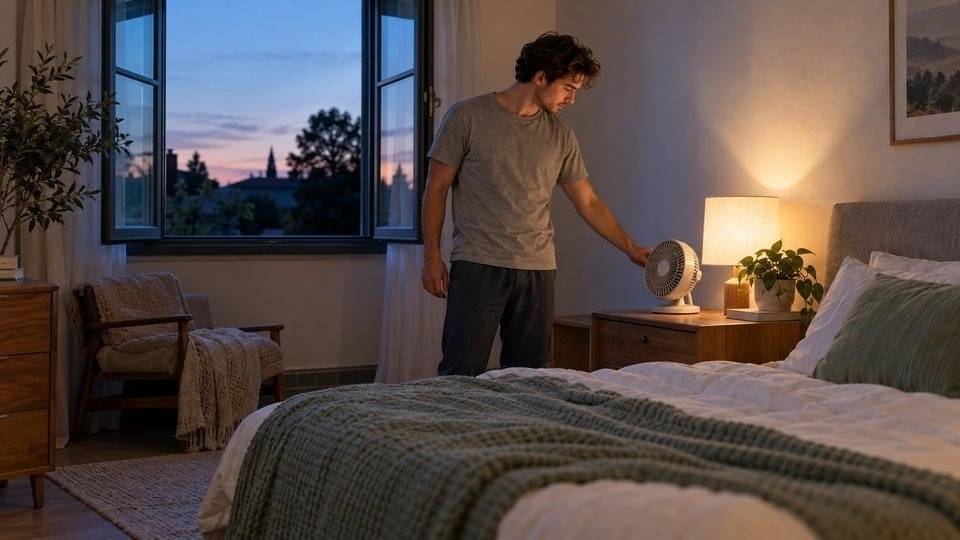
- Keep the bedroom cool and use light, breathable bedding, with a spare set within reach.
- Keep water by the bed and sip through the night to replace lost fluid.
- Wear loose cotton or moisture-wicking sleepwear and keep a towel nearby.
- Change into dry clothes after severe sweating so a chill does not keep you awake.
- Avoid saunas, hot tubs, and intense exercise until withdrawal has passed.
- Get medical advice before stopping or sharply reducing regular heavy drinking, especially if you have had seizures or severe withdrawal before.
These steps ease physical discomfort, but they do not treat the cause. Under medical supervision, staff track body temperature, heart rate, and blood pressure and can give medicines to ease symptoms of alcohol withdrawal. Clinicians often score symptoms with a tool called the CIWA-Ar, one of two scales the American Family Physician review names.
Frequently Asked Questions About Night Sweats and Alcohol
Are Night Sweats a Sign of Detox?
Night sweats can be a symptom of alcohol withdrawal after regular heavy drinking stops or is sharply reduced, but they do not confirm withdrawal on their own. During withdrawal, an overactive nervous system can cause sweating. Sweats that arrive with fever, confusion, hallucinations, or seizures are a medical emergency and need care right away rather than home remedies.
How Long Do Night Sweats Last After Quitting Drinking?
Alcohol related night sweats from withdrawal usually ease as acute withdrawal settles over several days. Disturbed sleep can last weeks or longer. If night sweats keep happening or disrupt sleep, contact a doctor to check for other causes such as infection, medication side effects, or a sleep disorder.
When Should I Be Concerned About Night Sweats?
Seek emergency care if night sweats come with fever, severe confusion, hallucinations, seizures, or an irregular heartbeat. Book a regular visit if they keep happening, disrupt sleep, or come with weight loss or other new symptoms. Anyone with a past history of severe withdrawal should seek medical advice before they stop drinking alcohol.
How Can I Stop Alcohol Sweats?
There is no instant way to stop alcohol sweats during withdrawal, because they come from a nervous system settling after heavy drinking. A cool room, light bedding, fluids, and dry clothes ease the discomfort. Medical detox treats the withdrawal itself, and other symptoms such as shakiness usually ease along with the sweating.
Getting Through Alcohol Withdrawal Safely
Night sweats can occur during alcohol withdrawal, but the symptom alone does not establish the cause. Withdrawal is still unpredictable, so the safest way through it is with medical support. MedlinePlus points people toward Alcoholics Anonymous, SMART Recovery, and the National Institute on Alcohol Abuse and Alcoholism for ongoing help.
The Substance Abuse and Mental Health Services Administration (SAMHSA) National Helpline at 1-800-662-4357 is free and confidential, and anyone in crisis can call or text 988. When you are ready to talk about next steps, Bright Paths Recovery in Northridge can walk you through alcohol addiction treatment in Los Angeles, starting with detox.
This article is for informational purposes only and is not a substitute for professional medical advice, diagnosis, or treatment. If you are in crisis, call or text 988.
Sources
- 1. Tiglao SM, Meisenheimer ES, Oh RC. Alcohol Withdrawal Syndrome: Outpatient Management. American Family Physician. 2021;104(3):253-262. https://www.aafp.org/afp/2021/0900/p253
- Mayo Clinic Staff. Night sweats: Causes and definition. Mayo Clinic. January 20, 2024. https://www.mayoclinic.org/symptoms/night-sweats/basics/causes/sym-200507683. MedlinePlus.
- Alcohol withdrawal. National Library of Medicine. Reviewed January 1, 2025. https://medlineplus.gov/ency/article/000764.htm
- MedlinePlus. Delirium tremens. National Library of Medicine. Reviewed January 1, 2025. https://medlineplus.gov/ency/article/000766.htm