
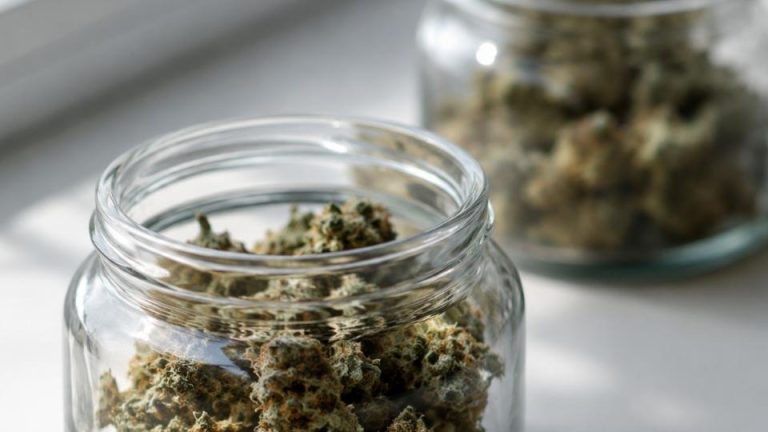
If you have ever felt unusually high, sick, or disoriented after smoking, you might wonder whether your stash was contaminated. Understanding what laced means can help you spot warning signs early and respond quickly. Lacing happens when marijuana is intentionally or accidentally mixed, sprayed, coated, or contaminated with another substance, and the practice can turn a familiar product into something far riskier. If you or a loved one has been exposed to laced weed and needs support, the team at Bright Paths Recovery offers professional substance abuse treatment to address contamination, dependency, and the mental health concerns that often follow.
This guide walks through the meaning of the term, the most commonly laced drugs found in marijuana, how to tell if weed is laced, and what steps to take when you suspect contamination.
What Does Laced Mean? Understanding the Term

The word “laced” functions as the past tense verb or past participle of “lace” or as an adjective, with meanings that vary based on context. In a literal sense, laced refers to fastening something with strings or cords or to incorporating lace fabric as a decorative element on clothing.
In speech and writing, the word can describe interspersing a specific tone, emotion, or visual element throughout another element. In culinary contexts, “laced” can refer to enhancing a dish or beverage with a specific ingredient, often a strong flavor or liquid. The term “strait-laced” describes someone who is strictly prudish or overly proper regarding morals and rules, a phrase derived from the rigid nature of tightly laced corsets.
When applied to consumption, “laced” refers to adding a small, often secret or potent substance to something else. In the drug world, “laced” means to mix, spray, coat, contaminate, or adulterate a substance with an additional, often hidden ingredient that can alter it for various reasons, including economic or safety concerns.
Hidden or surrogate substance use shows up in surprising places beyond cannabis too, and our article on whether you can get drunk from alcohol in mouthwash explores another overlooked path to intoxication that often signals a deeper problem.
What Is Laced Marijuana?
Laced marijuana refers to cannabis that has been mixed with other substances, making its effects unpredictable and potentially dangerous. The added ingredients can be other drugs, other chemicals, or dangerous additives that change how the marijuana cigarette feels when smoked. Because the dose and contents are unknown, the dangers of laced drugs include powerful, unexpected reactions that can lead to panic, memory loss, risky behaviors, or blackouts.
When individuals smoke laced weed, the experience can range from a slightly off feeling to severe symptoms that require medical attention. Unlike regulated legal marijuana sold in licensed dispensaries, illicit substances purchased on the street carry no quality controls and may contain contaminants or adulterants such as synthetic cannabinoids, PCP, chemical additives, or other drugs.
Why People Lace Weed
There are several reasons why drug dealers or unregulated sellers may add other chemicals to cannabis, and most of them put users at serious risk.
Profit Motives Behind Laced Drugs
People may lace weed with other substances for profit, to change its effects, to disguise poor quality, or through unsafe handling and cross-contamination. Adding cheap fillers can increase the weight of the product, which allows dealers to charge more for less. Claims that dealers commonly lace marijuana with fentanyl to make it more addictive are not well supported, but fentanyl contamination remains a serious concern in the wider illicit drug supply.
Boosting Perceived Quality
Some sellers add psychoactive substances to make a weak product feel stronger. Mixing in stimulant effects or hallucinogenic effects can mask poor quality and convince a buyer that the marijuana is more potent than it really is.
Malicious Intent
In rare cases, drugs may be adulterated maliciously, but more commonly, risk comes from unregulated products, unknown additives, cross-contamination, or sellers trying to change the product’s effects. While this is less common, it reflects one possible form of malicious intent that can drive drug lacing in unregulated markets.
Commonly Laced Drugs and Substances Used

Substances reported in laced or adulterated marijuana include PCP, synthetic cannabinoids, cocaine, methamphetamine, chemical solvents, and embalming-fluid mixtures. Fentanyl contamination has been reported but appears rare in cannabis compared with other illicit drugs. Each substance carries its own health risks, and many produce hallucinogenic effects or intense psychoactive effects that are extremely dangerous.
| Substance | Type | Primary Risk |
|---|---|---|
| PCP | Dissociative hallucinogen | Severe anxiety, psychosis, violent reactions |
| Fentanyl | Synthetic opioid | High overdose risk, respiratory depression |
| Embalming fluid | Chemical preservative | Lung damage, hallucinogenic effects |
| Cocaine | Stimulant | Elevated heart rate, cardiac strain |
| Heroin | Opioid | Dependence, difficulty breathing |
| Crystal meth | Stimulant | Paranoia, raised blood pressure |
| Synthetic cannabinoids | Lab-made chemicals | Unpredictable reactions, seizures |
PCP, Embalming Fluid, and Wet Weed
PCP, also known as phencyclidine, is a dissociative hallucinogenic drug that has been reported in marijuana products, including products known as wet weed or dusted weed, sometimes without the user fully understanding what they are consuming. Wet weed and dusted weed refer to marijuana soaked or coated in PCP, embalming fluid, or both. Researchers have documented cardiovascular complications tied to PCP-laced products, and these combinations carry serious neurological risks.
Cannabis concentrates carry their own set of legal and health concerns separate from contamination risks, and our guide on whether dabs are illegal and the risks of concentrate use covers what to know about high-potency THC extracts and the legal landscape around them.
Fentanyl Laced Weed and Synthetic Opioids
Fentanyl is a potent opioid that can cause overdose due to its strength, even in small amounts. Fentanyl-laced marijuana has been reported in some cannabis-related cases, but available evidence suggests it is rare and not considered a major fentanyl exposure route compared with counterfeit pills, heroin, cocaine, and methamphetamine. However, even trace amounts of fentanyl can cause difficulty breathing or fatal respiratory failure, which is why synthetic opioids are among the most dangerous additives showing up in street drugs today.
Other Common Substances
Crystal meth, cocaine, heroin, and other psychoactive drugs may sometimes be present, but the exact risk depends on the local drug supply and whether the product came from a regulated or unregulated source. These multiple drugs can trigger wildly different reactions depending on the combination, and weed laced with stimulants behaves very differently from weed laced with depressants.
How to Tell If Weed Is Laced
Recognizing the warning signs early can help you seek medical care faster. Laced weed may exhibit unusual characteristics such as a strange texture, color, or smell, which can help in identifying it as potentially contaminated. Visual and sensory clues can raise suspicion, but they cannot reliably confirm whether the weed is laced. Testing is more reliable, and severe symptoms should be treated as a medical concern.
Physical Indicators of Laced Weed
Common visual and sensory clues include:
- A chemical or solvent odor that does not match typical cannabis
- White, crystalline, or powdery residue on the buds
- An unusual taste that is bitter, metallic, or unusually harsh
- Flowers that feel oddly heavy, sticky, or damp
- Smoke that burns the throat far more than expected
Unusual Psychoactive Effects
Signs that the weed is laced also show up in how you feel. Sudden, intense psychoactive effects that are disproportionate to typical marijuana use are a major red flag. Other clues include hallucinations or visual distortions, severe anxiety, numbness or dissociation, loss of motor control, vomiting, and extreme confusion. These symptoms can occur with laced weed, synthetic cannabinoids, or very high-potency cannabis. Severe, unusual, or rapidly worsening symptoms should be treated seriously.
Short-Term Health Risks of Laced Weed
Short-term consequences of smoking laced weed can include nausea, difficulty breathing, changes in heart rate, and nervousness. Marijuana laced with stimulants can also raise blood pressure, which is a serious health concern for anyone with cardiovascular issues.
The unpredictable reactions are part of what makes laced drugs so risky. Because the user does not know the drug, dose, or combination involved, severe symptoms can appear quickly and unpredictably.
Long-Term Health Risks of Laced Marijuana
Repeated exposure to harmful substances can cause severe health consequences over time. Using laced weed can result in neurological damage, organ strain, and respiratory issues, especially when combined with potent substances like fentanyl or PCP. It can also elevate the risk of marijuana abuse and other substance use disorders, complicating any recovery path.
People who develop marijuana addiction after using contaminated products often face compound withdrawal symptoms, since the body may also be dependent on the added drug. This is why drug detox treatment is so important when contamination is suspected.
How to Avoid Laced Weed
The most effective way to avoid laced weed is to limit exposure to unregulated sources. A few practical steps can lower the risk of running into laced drugs:
- Buy only from licensed dispensaries in states with legal marijuana
- Inspect the product visually before use
- Trust your senses if something smells or tastes off
- Use drug testing kits designed to detect fentanyl or methamphetamine
- Avoid buying loose weed from sources you cannot verify
If alcohol is also part of your use pattern, the combined toll on the body grows, and our piece on whether alcohol causes kidney stones explains how heavy drinking can quietly damage another organ system.
Harm Reduction Strategies
Harm reduction is about lowering risk when avoidance is not possible. Testing kits can detect certain substances in marijuana, such as fentanyl or meth, although they may not identify every possible contaminant and may have limitations with cannabis products. Carrying naloxone, smoking with another person present, and starting with a very small amount are practical harm reduction steps that have saved lives. Learning how to administer Narcan is also valuable if synthetic opioids are involved, though naloxone will not reverse intoxication from cannabis, PCP, synthetic cannabinoids, stimulants, or other non-opioid substances.
What To Do If You Smoked Laced Weed
If you suspect your weed was laced, stop using it immediately. Stay calm, move to a safe environment, and ask someone you trust to stay with you. Drink water, avoid driving, and do not operate equipment until the potentially dangerous effects have passed.
When to Seek Medical Attention
Seek medical attention right away if you experience difficulty breathing, chest pain, seizures, severe confusion, or loss of consciousness. These can point to overdose risk, especially when synthetic opioids are involved. If symptoms are severe, worsening, or unusual, call Poison Control at 1-800-222-1222 or seek emergency care. Knowing the signs of fentanyl addiction and the effects of fentanyl on the brain and body can help you and those around you decide how quickly to act.
Drug Detox and Addiction Treatment Options
Anyone who has been using laced products regularly should consider a clinical evaluation. Professional addiction treatment addresses both the marijuana use and any dependence on the commonly added drugs. Programs typically include medical detox, therapy, and aftercare planning that supports long-term sobriety.
Medical Detox for Substance Use Disorders
Medical detox provides supervised withdrawal in a safe setting. For people exposed to fentanyl or other opioids, medically induced drug detox can ease symptoms and reduce risk. Programs that treat types of substance use disorders address mental health concerns alongside physical recovery. If alcohol is also part of the picture, alcohol detox may be added to the plan.
Frequently Asked Questions About Laced Weed
How can I tell if weed is laced without a testing kit?
You can look for visual and sensory clues such as a chemical smell, unusual color, white residue, or harsh taste. Sudden or unexpected reactions during use are another warning sign. These signs can raise suspicion, but they cannot confirm contamination. Drug testing kits remain the most reliable option, and severe symptoms should be treated as a medical concern.
Is fentanyl laced weed common?
Cases of fentanyl laced weed have been reported, but data on how widespread it is remains limited. Fentanyl-laced cannabis appears rare and is not considered a major fentanyl exposure route compared with counterfeit pills, heroin, cocaine, and methamphetamine. Even so, the overdose risk from accidental contamination is serious enough that harm reduction tools like fentanyl test strips are worth using. Understanding how long fentanyl stays in your system can also help during recovery planning.
What treatment options exist for someone who used laced drugs?
Treatment usually starts with detox and continues with therapy and aftercare. The stages of addiction recovery can guide expectations, and personalized programs address both substance use and any mental health symptoms that surface. If multiple drugs are involved, a dual diagnosis or substance abuse treatment approach is often recommended.