
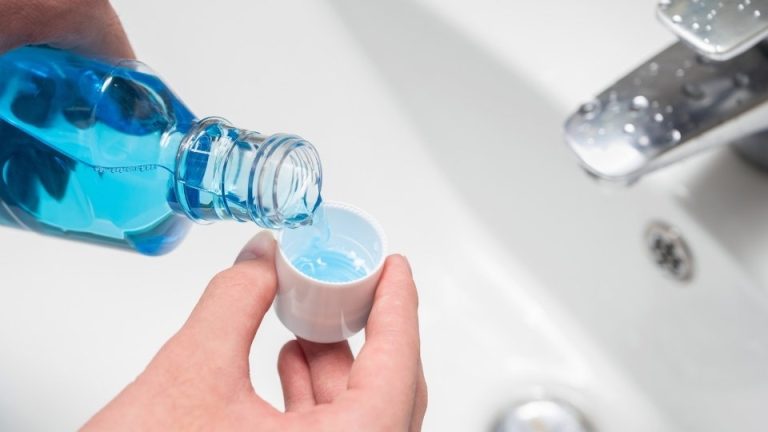
Most people swish, gargle, and spit without giving the bottle on their bathroom counter a second thought. For someone struggling with alcohol abuse, that same bottle of mouthwash can become a hidden source of intoxication. The alcohol found in mouth rinse is real, often concentrated, and capable of producing intoxication when consumed in large amounts. Spotting when a loved one crosses from oral hygiene into surrogate alcohol use can be an early signal of a serious problem, and our substance abuse treatment programs help people address these hidden forms of drinking.
This guide explains how alcohol in mouthwash works, why some people start drinking mouthwash, the risks involved, and the safer oral care options like alcohol free mouthwash that a dentist often recommends.
How Mouthwash Uses Alcohol and Why
Many alcohol containing mouthwashes range from low single-digit alcohol levels to more than 20% alcohol by volume, with some well-known antiseptic rinses around 21% to 27%. Ethanol serves as an antiseptic that helps kill harmful bacteria in the mouth and may help reduce plaque buildup and gum disease. Ethanol also acts as a solvent, helping dissolve other active ingredients such as fluoride and menthol, enhancing their effects on teeth and gums.
Alcohol works as a carrier and stabilizing solvent, keeping the following ingredients evenly mixed. It also has broad antibacterial effects and can contribute to dryness or irritation in some people, which is one reason alcohol free mouthwash is often recommended for dry mouth or sensitive gums. The burning sensation many users feel comes mostly from this alcohol.
Why Some People Drink Mouthwash for the Alcohol
Some alcohol based mouthwash products contain more than 20% alcohol by volume, which is higher than beer or wine. For someone in active alcohol abuse, that alone can make the bottle on the bathroom counter feel like a backup supply. Some people drink mouthwash specifically for this reason.
Mouthwash can be ingested as a surrogate alcohol, particularly where alcoholic beverages are restricted, such as hospitals, prisons, and sober living homes. It is cheap, legal, easy to find on store shelves at drug stores, and easy to explain as part of an oral care routine.
When Drinking Mouthwash Becomes a Sign of Alcoholism
Wanting fresh breath is normal. Hiding bottles, finishing them faster than reasonable use suggests, or buying alcohol containing mouthwashes in bulk can point to a deeper issue. Understanding the real difference between alcohol use and alcoholism is a helpful starting point.
How Much Alcohol Is in Mouthwash?
Different products contain different amounts of alcohol.
| Mouthwash Type | Alcohol Content | Common Use |
|---|---|---|
| Alcohol based mouthwash | 14% to 27% | Daily antiseptic rinse |
| High strength antiseptic mouth rinse | Up to 30% | Short term post procedure use |
| Non alcoholic mouthwash | 0% | Sensitive gums, dry mouth, children |
| Alcohol free mouthwash with fluoride | 0% | Routine oral hygiene |
| Chlorhexidine gluconate rinse | Some contain alcohol | Gum disease management |
Alcohol Based Mouthwash vs Alcohol Free Mouthwash
Alcohol based mouthwash provides rapid germ-killing power, but high concentrations can irritate sensitive gums and worsen dry mouth in some users. Alcohol free mouthwashes can still control plaque, bacteria, bad breath, or cavity risk effectively, depending on their active ingredients. For many people, the alcohol free version is gentler on teeth and gums.
Can You Actually Get Drunk From Mouthwash?

Yes. If someone drinks mouthwash in large amounts, the ethanol is absorbed through the stomach and produces intoxication similar to drinking alcohol. Ingesting it can lead to ethanol toxicity, with symptoms including nausea, vomiting, and drowsiness. In severe cases, symptoms can include coma and slow breathing. Some emergency department visits each year involve patients who arrived after consuming mouthwash. Knowing how long alcohol stays in your system helps explain how the effects build.
Anyone who intentionally drinks mouthwash or develops severe symptoms after swallowing it should contact Poison Control or seek emergency care.
The Dangers of Drinking Alcohol Containing Mouthwashes
Swallowing a small amount of mouthwash accidentally is unlikely to cause serious harm, but larger quantities can lead to toxicity from alcohol, fluoride, and other ingredients. Quantitative risk assessment work by regulators has examined the long-term adverse effects of repeatedly swallowing these products.
Methyl Salicylate and Other Toxic Ingredients
Methyl salicylate, a flavoring agent related to aspirin, can be toxic in large amounts. Some mouthwashes may also contain ingredients such as hydrogen peroxide, zinc compounds, fluoride, or chlorhexidine gluconate. These ingredients are intended for rinsing and spitting, not drinking, and may cause toxicity or irritation when swallowed in large amounts.
Risk of Oral Cancer and Other Long-Term Effects
Research has explored whether long-term use of high alcohol oral rinses may raise oral cancer concerns, though findings remain mixed. What is clearer is that chronic alcohol abuse, whether from beverages or mouth rinse, is associated with several head and neck cancers.
Who Is Most at Risk of Mouthwash Abuse?
Several groups are more vulnerable:
- People in recovery who relapse but want to hide the smell of liquor on their breath
- A recovering alcoholic in early sobriety with limited support
- Individuals in controlled environments where alcoholic beverages are banned
- Adolescents experimenting with cheap intoxicants
- Anyone with severe alcohol use disorder who has exhausted other supplies
Children younger than six are also at risk, though usually by accident. The Consumer Product Safety Commission requires child-resistant packaging for many mouthwash packages containing significant amounts of ethanol. Parents can store oral rinses away from small children and choose alcohol free formulas designed for kids.
Hidden or unexpected substance exposure isn’t limited to alcohol either, and our guide on what “laced” means and how to spot contaminated drugs covers another way users may end up consuming something they didn’t bargain for
How Mouthwash Works as a Mouth Rinse for Oral Health
Beyond alcohol, mouthwash contains antiseptic compounds, fluoride, menthol, and sometimes hydrogen peroxide that support oral health by reducing bacteria around the teeth and gum line. The American Dental Association recommends mouth rinse use as an add-on to brushing and flossing, not a substitute. Mouth rinse should never replace flossing.
Active Ingredients That Fight Bad Breath
Alcohol free mouth rinse products can reduce plaque, fight bad breath, and protect teeth against tooth decay, depending on their active ingredients. Common ingredients include cetylpyridinium chloride, fluoride, and essential oils. These ingredients can help kill germs and reduce bad bacteria in the mouth, while alcohol free formulas may be gentler for people with dry mouth or sensitive tissues. Bad breath that returns within hours of using mouthwash often points to gum disease or dry mouth rather than a need for a stronger rinse. Many products list ingredients that kill germs gently.
Co-occurring use of other substances is common, and if cannabis concentrates are also part of the picture, our guide on whether dabs are illegal and how they affect the body covers what to know about modern high-THC products.
Signs Someone Is Using Mouthwash as Surrogate Alcohol
If you suspect a loved one drinks mouthwash for the alcohol, watch for these patterns:
- Empty or rapidly depleted oral rinses around the house
- A persistent smell of menthol on the breath at unusual hours
- Buying mouthwash in bulk
- Signs of intoxication without any visible alcoholic beverages
- Defensive reactions when asked about mouthwash use
- Dry mouth, slurred speech, or sudden mood changes
- Bottles hidden in unusual places
These signs do not prove misuse on their own, but several patterns appearing together may justify a supportive conversation or professional evaluation. If several patterns appear, a conversation about staging an intervention may be the next step. Families also benefit from learning about common relapse triggers.
Health Consequences of Excessive Alcohol Consumption from Mouthwash
Repeated alcohol consumption from mouthwash can produce many of the same harms as drinking liquor, including liver damage, dependence, and withdrawal. The signs of detoxing from alcohol apply just as much here. Learning how to support liver recovery from alcohol misuse becomes important after long-term misuse.
Heavy ethanol exposure can also strain the kidneys over time, and our article on whether alcohol causes kidney stones explains another way long-term drinking can quietly damage the body.
What Happens When You Swallow Mouthwash
When you swallow mouthwash in small amounts, your body usually handles it, since most people spit out the rinse. A small accidental swallow is usually not harmful, but repeated or large intentional ingestion can cause alcohol poisoning, stomach irritation, and the same long term alcohol related harms seen with other forms of ethanol misuse. Drinking water after accidental ingestion can help, but severe symptoms need medical care.
Is Mouthwash Safe? Choosing Alcohol Free Mouthwash Options
For most users, properly applied mouthwash is safe. Many recommend choosing alcohol free mouthwash for individuals with dry mouth, sensitive gums, or for routine daily use. Higher alcohol products can worsen severe dry mouth, increasing the risk of cavities and bad breath over time.
People with xerostomia, burning mouth syndrome, or sensitive gums are often advised to use alcohol free options. Non alcoholic mouthwash may also be a better choice for children and individuals recovering from alcohol use disorder. Pregnant people or those with medical conditions should ask a dentist or clinician which rinse is appropriate.
Benefits of Alcohol Free Mouth Rinse Products
Depending on their active ingredients, alcohol free mouthwashes can help reduce plaque, gingivitis, bad breath, or cavity risk. Fluoride formulas can help protect enamel and support stronger oral health, while whitening benefits depend on whether the product contains whitening ingredients. Alcohol free rinses feel gentler on the gums and tongue, which makes consistent use easier. Looking for alcohol free options with fluoride is a reasonable starting point for protecting teeth.
What General Dentistry Recommends for Daily Oral Care
General dentistry guidance for oral health is straightforward. A dentist will advise that brushing and flossing are core pillars of dental care, and many recommend alcohol free rinses as a safer alternative. A simple oral care routine includes brushing teeth twice daily with fluoride toothpaste, flossing and brushing between teeth, and using mouthwash as a supplement. Fluoride toothpaste paired with regular flossing does more for long-term dental hygiene than any rinse alone.
Getting Help for Alcohol Use Disorder
If reading this has felt close to home, you are not alone. Using mouthwash as a stand-in for liquor is a serious red flag, but it is treatable. Comprehensive alcohol use disorder treatment addresses both physical dependence and the patterns that lead someone to reach for a bottle in the medicine cabinet. Many people start with medically supervised alcohol detox and move into residential or outpatient care.
If someone has consumed mouthwash and is confused, vomiting repeatedly, unusually drowsy, breathing slowly, or difficult to wake, seek emergency medical help.
If you are unsure where to begin, our team can talk through options, explain what to expect in rehab, walk through the stages of recovery, and clear up common myths about residential alcohol treatment.
Can You Get Drunk from Alcohol in Mouthwash? Frequently Asked Questions
Is mouthwash addictive on its own?
Mouthwash is not uniquely addictive, but alcohol containing mouthwash contains ethanol, which can reinforce alcohol dependence in someone already struggling with alcohol abuse. The pull lies in the alcohol and the easy access at most drug stores.
Can children get drunk from mouthwash?
Yes, and the risk is higher because of a smaller body size. Children younger than six who swallow mouthwash can develop ethanol toxicity quickly. Keep these products out of reach, use child-resistant closures, and consider switching to alcohol free options at home.
Should a recovering alcoholic avoid mouthwash entirely?
Many addiction clinicians and dentists recommend alcohol free mouthwash for people in recovery, especially if alcohol containing products have been triggering or have been misused before. Talking with a dentist and an addiction provider can help you choose products that support oral health without threatening recovery.