

Heroin usually looks like a white or brownish powder, or a dark, sticky substance known as black tar heroin. The color and texture vary depending on where it was made and what it was mixed with, so two samples can look nothing alike. It may turn up in small plastic bags, folded paper, or balloons, and much of it is now mixed with fentanyl, which looks like many other powders. If something you found matches what is described below, a heroin addiction treatment program in Los Angeles can help you work out what to do next.
The Different Forms of Heroin

Heroin is made from morphine, which comes from the seedpod of opium poppy plants grown in Southeast Asia, Southwest Asia, Mexico, and Colombia in South America. What reaches the United States now comes mostly from one source. The Drug Enforcement Administration’s 2025 National Drug Threat Assessment states that Mexican cartels produce most of the heroin destined for the United States, in brown powder, white powder, and black tar forms [1]. The National Institute on Drug Abuse describes the same three: a white powder, a brown powder, and a black sticky substance.
Appearance is only part of the picture. Smell often gives a second clue, and our chapter on what does heroin smell like covers how the odor changes from one form to the next.
What White, Brown and Black Tar Heroin Look Like
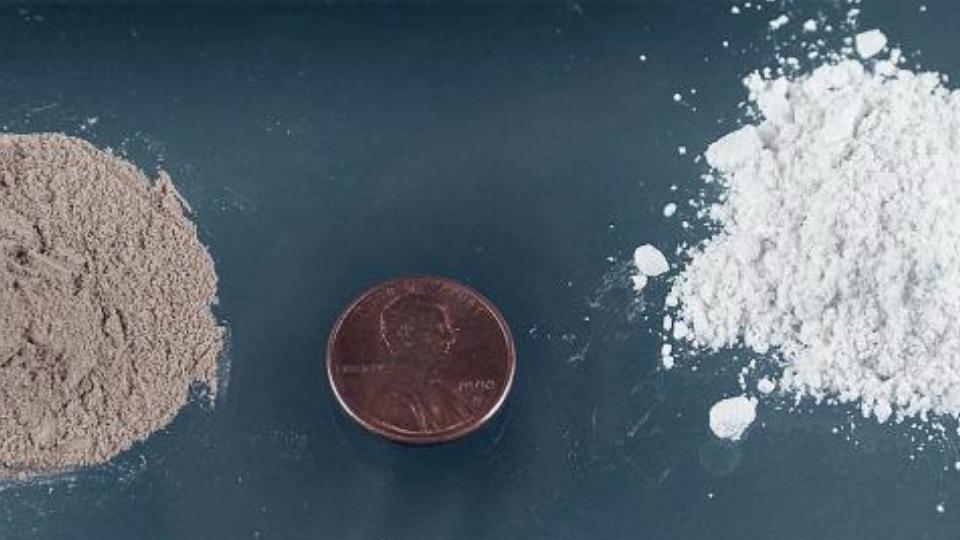
Each form has its own look, though the lines between them blur once other substances are added.
White Powder Heroin
White powder heroin is a fine white or off-white powder. In a 2016 study in the Journal of Psychoactive Drugs, powder heroin was described as a relatively refined substance ranging from white to light tannish brown, and it dominated the market east of the Mississippi River [2].
The Center for Addiction and Mental Health (CAMH) describes pure heroin as a fine, white, bitter-tasting powder, and notes that purity levels vary from batch to batch [3]. Street heroin is rarely in pure form, and color says nothing reliable about strength or safety.
Brown Powder Heroin
Brown heroin ranges from light brown to darker shades, and brown powdered heroin can look grainy or slightly clumped rather than fine. CAMH describes it as brown and sometimes grainy. The DEA describes heroin as typically sold as a white or brownish powder, so brown powder is one of the common forms.
Brown powder heroin can be mistaken for other powders, including some that are not drugs at all. Look for other signs in the same place and in the person before drawing conclusions, such as the heavy drowsiness that follows a dose. How long does a heroin high last? Our chapter walks through that drowsy period and what follows it.
Black Tar Heroin
Black tar heroin is a black sticky substance, or a dark brown lump that can be hard and almost rock-like. People interviewed for the same 2016 study called it “a little dirt ball,” “almost rocky,” “sticky,” and “shiny.” That study found black tar was the main heroin available west of the Mississippi River, which covers California and the western United States, including the West Coast.
Injecting heroin, including black tar, can cause vein damage, abscesses, and infections, and MedlinePlus notes that people who inject also risk HIV and hepatitis. The CDC reports that in 2023, 43 percent of hepatitis C cases with risk information were associated with injection drug use [4]. Our chapter on what heroin does to the body over time covers those effects in more detail.
What Heroin Is Cut With
Street heroin is frequently mixed with other things. The Drug Enforcement Administration’s heroin fact sheet lists fentanyl, sugar, starch, powdered milk, and quinine among the drugs and substances it is mixed with [5]. Those additives change the color and texture, and street heroin varies depending on the batch.
Heroin is highly addictive, and not knowing what else is in it is part of what makes it dangerous.
Pills, Powders and Fentanyl
Fentanyl has changed what heroin looks like. The Centers for Disease Control and Prevention notes that powdered fentanyl looks just like many other drugs and can be mixed with heroin, and that illegally made fentanyl is increasingly pressed into counterfeit pills that resemble oxycodone or alprazolam [6]. A pill that looks like a prescription medication is not proof that it is one.
Heroin availability in illicit drug markets has shifted as fentanyl took over. The DEA reports a persistent decline in heroin seized by the agency since 2020, which it attributes to the steady displacement of heroin by fentanyl [1]. Heroin is typically sold as a powder or as black tar, so pills are not a common form of it, and a pressed pill that turns out to contain an opioid may well be fentanyl. The full picture of signs of heroin use, from physical changes to missing money, sits in our main guide.
Physical Signs That Go With What You Found
What you found matters less than what you are seeing in the person. The DEA lists drowsiness, constricted pupils, nausea, a warm flushing of the skin, dry mouth, and heavy arms and legs as physical symptoms of heroin use. Heavy drowsiness that lasts several hours, with a person drifting in and out of sleep, is one of the clearest of them.
Repeated use leads to physical dependence. Withdrawal can start within a few hours of the last use, and MedlinePlus notes that withdrawal symptoms include restlessness, muscle and bone pain, vomiting, diarrhea, and cold flashes with goose bumps. The heroin withdrawal timeline breaks those days down hour by hour.
What to Do if You Find Something That Looks Like Heroin
Finding a substance is frightening, and the first steps are simple.
Keep Everyone Safe First
Do not touch loose powder with bare hands, and never taste anything to identify it. Keep naloxone in the house, and learn the signs of an overdose. The DEA lists slow and shallow breathing, blue lips and fingernails, clammy skin, convulsions, and coma. If you see these, call 911 and give naloxone.
Other items often turn up near the drug itself: small squares of foil with burn marks, where heroin has been smoked, burnt spoons, cut straws, or syringes. Our post on track marks and other skin signs explains the signs of injection drug use on the body.
Talk, Then Get Help
Take a photo, note the date and place, and wait for a calm moment when your loved one is not high or in withdrawal to talk. Speak about what you found and what you have seen, without accusing. Early intervention matters more than having proof, and healthcare professionals can assess someone’s substance use without it. Family members can call the Substance Abuse and Mental Health Services Administration National Helpline (1-800-662-4357) for free, confidential guidance, and anyone in crisis can call or text 988.
Frequently Asked Questions About What Heroin Looks Like
Short answers to three questions families ask after finding something.
Is Black Tar Heroin Always Black?
No. Black tar heroin can be black, dark brown, or a dull brownish color, and it can be sticky and soft or hard and almost rock-like. The color and texture vary depending on how it was made and what it was mixed with, so a brown lump that is not jet black can still be black tar heroin.
Can Heroin Look Like Other Drugs?
Yes. White and brown powders can look like cocaine, crushed pills, fentanyl, or substances that are not drugs at all. That is why appearance alone cannot tell you what a substance contains. Laboratory testing of the substance can provide a clearer answer about the material itself, while a urine or blood drug test looks for evidence of drug exposure in a person. Our chapter on how long heroin stays in your system explains the timing of those tests.
Should I Throw Away What I Found?
Not before you have a plan, and never in front of the person while they are high. Take a photo, note where you found it, and keep it out of reach of children and pets until you know how to dispose of it safely. The photo can help a clinician or treatment team understand what you are dealing with.
Getting Help for Heroin Addiction
Knowing what heroin looks like can confirm a fear, and for some families it is the first step toward overcoming addiction. If what you found matches this guide, the admissions team at Bright Paths Recovery can talk through treatment for heroin addiction near Northridge, from medically supervised detox to residential care, and help your loved one toward a healthier future.
This article is for informational purposes only and is not a substitute for professional medical advice, diagnosis, or treatment. If someone is not breathing or cannot be woken, call 911 immediately.
Sources
- Drug Enforcement Administration. 2025 National Drug Threat Assessment. https://www.dea.gov/sites/default/files/2025-07/2025NationalDrugThreatAssessment.pdf
- Mars SG, Bourgois P, Karandinos G, Montero F, Ciccarone D. The Textures of Heroin: User Perspectives on “Black Tar” and Powder Heroin in Two U.S. Cities. Journal of Psychoactive Drugs. 2016;48(4):270-278. https://pmc.ncbi.nlm.nih.gov/articles/PMC5027195/
- Center for Addiction and Mental Health. Heroin. https://www.camh.ca/en/health-info/mental-illness-and-addiction-index/heroin
- Centers for Disease Control and Prevention. Hepatitis C Basics. https://www.cdc.gov/hepatitis-c/about/index.html
- Drug Enforcement Administration. Drug Fact Sheet: Heroin. https://www.dea.gov/sites/default/files/2025-01/Heroin-Drug-Fact-Sheet.pdf
- Centers for Disease Control and Prevention. Fentanyl. https://www.cdc.gov/overdose-prevention/about/fentanyl.html