Confidential Luxury Treatment in Los Angeles
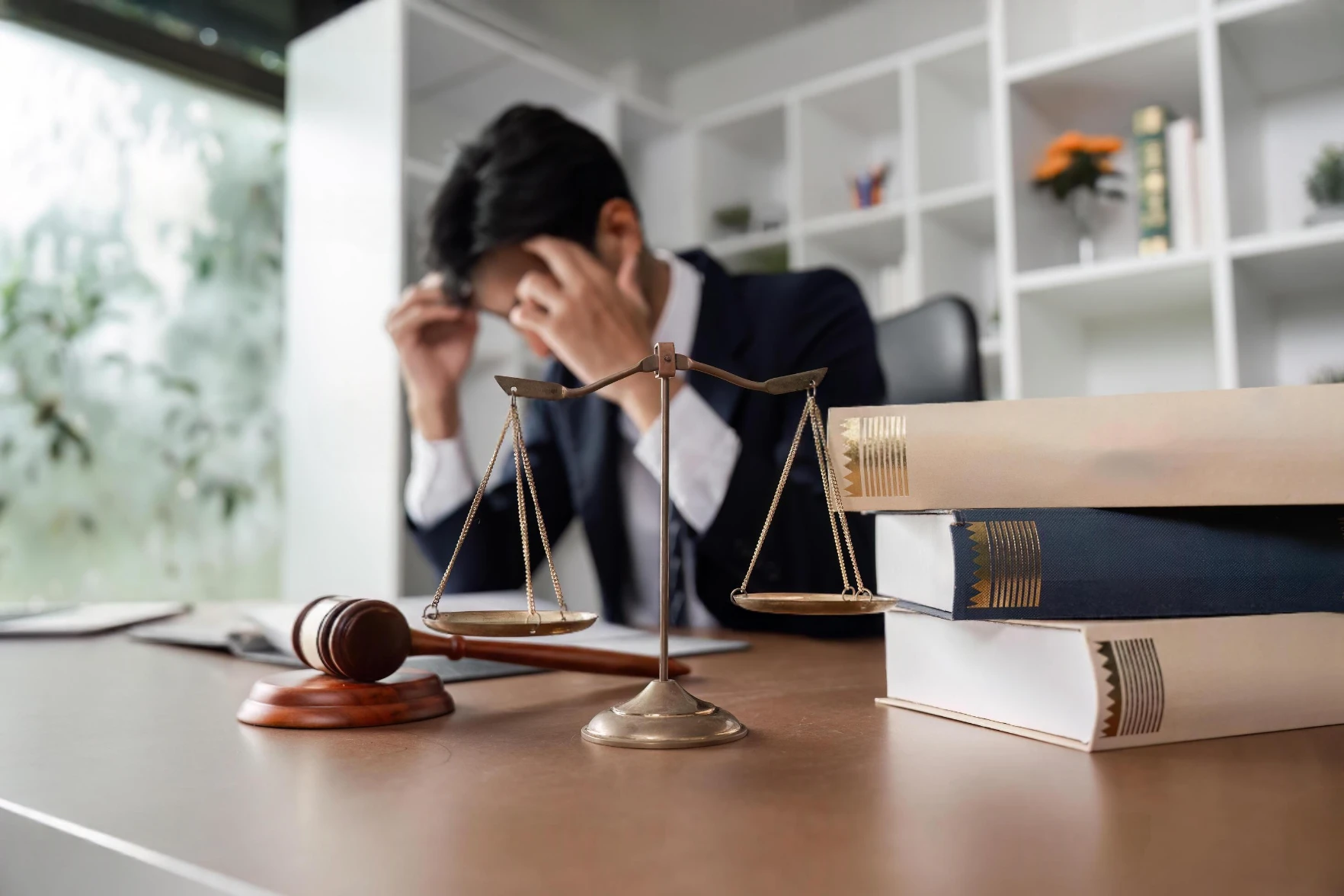
The landmark ABA and Hazelden study of nearly 13,000 practicing attorneys found 20.6 percent screening positive for hazardous or potentially dependent drinking, roughly double the general professional population, alongside 28 percent reporting depression symptomsABA / Hazelden. The findings were worst among attorneys in their first decade of practice, the exact years when careers are least secure and hours are most brutal.
The profession’s culture explains the gap between the numbers and the silence. Law rewards the appearance of control, treats disclosure as weakness, and runs on an after-work economy where alcohol is infrastructure. An attorney can cross-examine every fact of their own drinking and win the argument for years. The billable hour hides it; the adversarial instinct defends it; and the same mind that spots risk for clients discounts it at home.
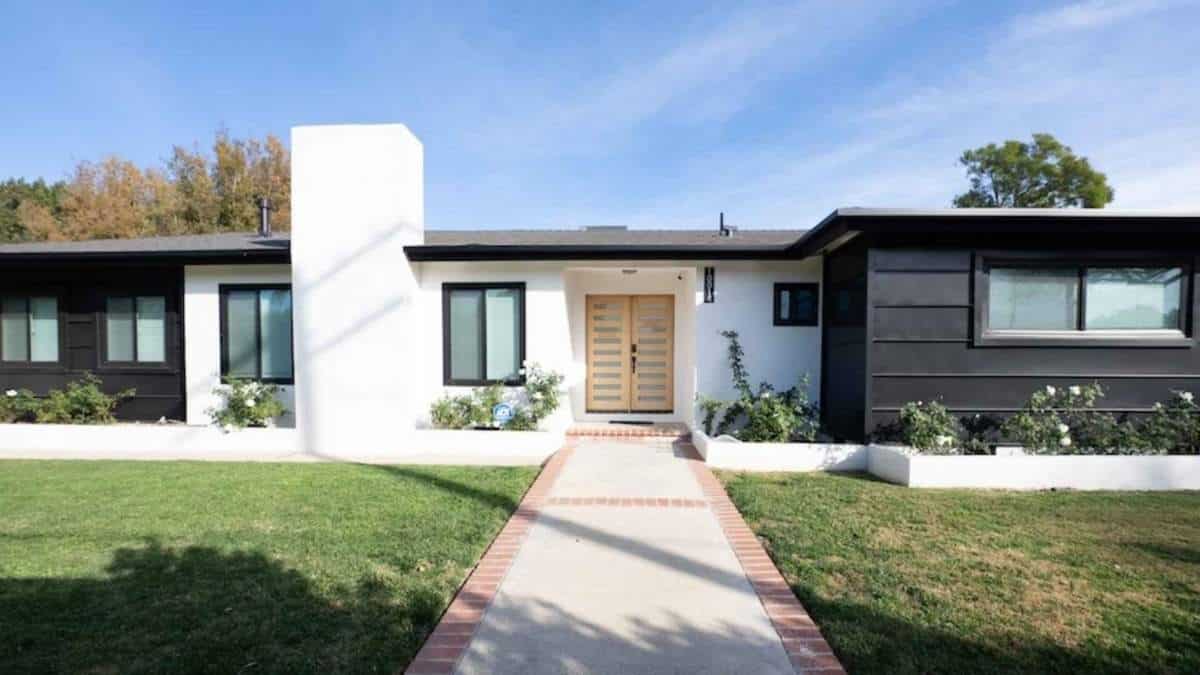
Opposing counsel, clients, partners, and the legal press form a small world with a long memory, which is why our confidentiality is built rather than promised. An unmarked 12-bed residence with no lobby and no letterhead.
Federal protection under 42 CFR Part 2 a standard you can read yourself and will find stricter than the privacy rules governing the rest of medicine. Disclosure moves only on your written consent. To the world, you are on medical leave; the profession processes that sentence without a follow-up question far more often than the fear predicts.
Nearly every state bar operates or funds a lawyer assistance program offering confidential support for attorneys with substance use and mental health concerns, and participation is typically confidential and separate from discipline. Whether to engage one, and how treatment intersects with any bar question you may face, is a strategic decision for you, ideally taken with ethics counsel; we do not give legal advice and we hold no reporting relationship with any bar.
What Bright Paths does, at your direction only, is treat and coordinate: clinical records fit for a fitness-to-practice review, verification of treatment for your LAP if you engage one, and a discharge plan a monitoring agreement can live with. Attorneys tend to arrive here having already built the case against going. Our clinical team has heard every brief, and the rebuttal is the published one: treated lawyers keep practicing; untreated drinking eventually files its own motion.


The number one question professionals ask us, before cost, before length of stay, is whether treatment means going dark. Here it does not. Clients keep their phones and laptops at Bright Paths Recovery. The clinical day comes first and we help you set boundaries that protect it, but you stay appropriately connected to the people and responsibilities that need you. Same-day admissions mean the decision and the arrival can share a date, a stay runs about 35 days, and if you are weighing time away from work, federal job-protection rules may apply: our plain-language guide to FMLA and rehab covers what most employees never get told.
Attorneys are professional skeptics, and the program answers in kind: evidence-based modalities, measurable structure, and a clinical team that does not flinch at cross-examination. The clinical spine is one continuum in one home: medically supervised detox with 24/7 physician oversight and short-term, non-maintenance medication support, then residential inpatient treatment structured around daily clinical groups, one-on-one therapy, CBT, DBT, motivational enhancement, and relapse prevention, and after discharge, an alumni network with weekly proactive check-ins. Most stays run 28 to 40 days, about 35 typically. Our stated goal is to see every client only one time.


Not from us; federal confidentiality law requires your consent for disclosure, and we have no reporting line to any bar. Questions about what you must disclose and when are legal questions for ethics counsel, and we will say exactly that every time you ask. What we control is treatment and documentation, both built to hold up if you ever choose to use them.
Within a bounded daily window, yes: you keep your phone and laptop, and our team helps structure coverage for court dates and filings before you admit. Clients have kept practices alive from this house. The clinical day comes first, though, and learning that some matters survive without you is usually where the recovery starts.
This one comes close by design: a 12-bed private home with a chef, a gym, and quiet rooms to think, holding a program of physician-led detox and doctoral-level clinical care. The population skews professional, the confidentiality is federal, and nobody in the building bills your hours against you.

People around a struggling attorney tend to do exactly what the profession trained them to do: gather evidence and wait for the right moment. The missed filings, the lunch drinks that became standing appointments, the personality that sharpens at 6 p.m.; you likely have the record already. What the moment needs is not a stronger case but a softer landing: a confidential program identified, coverage for active matters thought through, benefits verified without anyone at the firm knowing.
Our admissions team helps spouses and colleagues stage exactly that, and when the attorney finally stops arguing, and they do, the plan is already sitting there, complete, like a settlement they can accept without losing face.
Bright Paths Recovery works with most PPO and out-of-network benefits, and our admissions team verifies your coverage for you, free and with no obligation. You will know what your plan covers before you make any decision. We do not accept Medicaid.
Intimate, never institutional.
24/7 oversight from day one.
When the window opens, we move.
Weekly check-ins long after you leave.
The 2016 ABA and Hazelden Betty Ford study found 20.6 percent of practicing attorneys screening positive for hazardous or potentially dependent drinking, with rates highest in the first ten years of practice. If the number describes you, you are not an outlier in your profession; you are its documented pattern.
Privilege belongs to your practice, and treatment does not suspend your obligations around it. Because you keep your own devices here, client communications stay in your hands, not routed through any front desk. How to manage active matters ethically during a leave is a question for your bar’s ethics resources; we help with the logistics, not the legal call.
Medical leave is a complete sentence, and it is true. Our team helps you script coverage and messaging before you arrive so the firm hears exactly what you decide it hears, and nothing else, from anyone.
Yes, at your direction: verification of treatment, clinical summaries, and discharge planning aligned to an LAP agreement if you have one. We are a treatment program, not an LAP and not a monitor, and information moves only on your written consent.
Both. The residential work digs into the machinery underneath: perfectionism, adversarial identity, the billable-hour relationship with your own body, and the depression the Krill study found riding alongside the alcohol in this profession. Treating the culture’s imprint is what keeps the sobriety from being a technicality.
Same-day when a bed is open, and our admissions team is used to working around a docket: pre-assessment by phone, benefits verified in hours, arrival timed to your coverage plan. The calendar is an engineering problem, not a verdict.
The clinical program is the same; the confidentiality stakes and messaging differ, and the plan adjusts accordingly. A twelve-person unmarked home has hosted quieter arrivals than most courthouses would believe.
Yes. The profession’s stack, alcohol at night, benzodiazepines for the wire-taut sleep, stimulants for the sprint, is one our physician-directed detox handles as a combination, not as three surprises.
✈ BUR 20–30 min · pickup available
✈ LAX 40–60 min · pickup available
Bright Paths Recovery is a luxury, medically supervised detox and residential inpatient rehab in Northridge, in the heart of the San Fernando Valley. Our fully remodeled 12-bed home sits on a quiet residential street with no signage and no facility footprint, so your stay stays private from day one.
Our location is one of our quietest advantages. You get true privacy and separation from the environments tied to substance use, while your loved ones stay close enough to join family therapy sessions each week. We are minutes from the 405, 101, and 118 freeways, which puts us within an easy drive of nearly every Los Angeles neighborhood, and within reach of clients traveling from Ventura County, Santa Clarita, and Orange County.
Admissions can be same-day. If you are flying in, we arrange airport pickup from LAX or Hollywood Burbank Airport and plan every step of your arrival with you, so the only thing you have to do is say yes.
Bright Paths Recovery
License Number: 191375AP. License Expiration: 07-05-2030.
Our Location: 10014 Louise Ave, Northridge, Los Angeles, CA 91325