The San Fernando Valley is our home. While most treatment in Los Angeles happens on institutional campuses or in converted office parks, Bright Paths Recovery operates from a single, fully remodeled private home on a quiet Valley street. Twelve beds. A staff-to-client ratio of roughly 3 to 1.5. A private chef cooking restaurant-grade meals every day. And a clinical program with real structure, because comfort without structure is just an expensive vacation.
We treat adults 18 and over, co-ed, for substance use disorders first and co-occurring mental health conditions alongside them. We offer exactly two levels of care, medically supervised detox and residential inpatient treatment, which means every ounce of our attention goes to the people living in our home. Couples can heal together here. Veterans are welcome. Pets are welcome. And professionals keep their phones and laptops, because we know stepping away from the Valley’s working world entirely is the reason many people never step into treatment at all.
If you are reading this for someone you love, a spouse, a parent, an adult child, you are exactly who this page is for too. Most first calls to our admissions team come from family, not from the person struggling. You do not need them to be ready before you call. You need a plan for the moment they are, and we will build it with you.
Anyone who lives here knows the Valley runs on the 101, the 405, the 118, the 170, and the 134. That geography matters for recovery more than people expect. Choose treatment across the country and your family sees you at a graduation ceremony, maybe. Choose treatment in your own neighborhood and the places you used are outside the window. Our home threads that needle: close enough that your spouse can sit in family therapy every week without taking a day off, far enough inside a quiet residential pocket that your daily world, and your daily patterns, stay outside the door.
There is no sign on our lawn, no lobby, no waiting room where you might run into a coworker. From Burbank and Studio City, where much of the entertainment industry works, to the medical corridors around Northridge and Van Nuys, the Valley is full of people whose careers depend on discretion. A 12-bed private home means the people who know you are here are the people helping you heal.
Our clients keep their phones and laptops. We help you set boundaries that protect your treatment, and the structure of the day keeps recovery first, but you can stay appropriately connected to work and family. For working professionals weighing treatment against a career, this policy, along with same-day admissions and free benefits verification, removes the three biggest reasons to wait.
Because we are local, our alumni are local. The people you get well with are people you can actually see afterward: at the weekly alumni call, through our private app connecting clients and the team, and in the same neighborhoods where you live and work. Recovery in your own city means your support system is never more than a short drive away.
Bright Paths Recovery offers medically supervised detox and residential inpatient treatment, both inside the same home with the same team. There is no transfer to a second facility, no new faces halfway through, and no gap between stabilizing your body and rebuilding your life.
Detox at Bright Paths is medically supervised with 24/7 oversight, in a comfortable private bedroom rather than a clinical ward. Medication support during detox is short-term and non-maintenance: our medical philosophy is to get you off substances, not to trade one dependence for another. Learn more about our medical detox program.
A 28 to 40 day stay, about 35 days for most clients, built on a real daily structure: morning check-in group, daily clinical groups, one-on-one therapy, activity-based groups, and evening wrap-up. CBT, DBT, motivational enhancement, and motivational interviewing anchor the clinical work. Explore residential inpatient treatment.
When you leave, we do not. A private app connects you to your community and the team, a weekly alumni call is open to everyone including the clinical leadership, and we check in proactively every week so that a hard moment gets a phone call before it becomes a relapse.
Structure is what makes those weeks work. Every day in our home follows a deliberate rhythm: breakfast from the chef, a morning check-in group at the 12-foot table, a clinical group, an activity-based group, lunch, a second and longer clinical group, dinner, and an evening wrap-up. Clients choose the recovery framework that fits them, whether 12-step, SMART Recovery, faith-based, or clinical-only; nobody is forced into a fellowship here.
Our goal, said plainly because few centers will say it: we want to see every client only one time. Not because you are not welcome back, but because we intend to set you up so thoroughly that you come back only as an alumni speaker with a story worth telling.
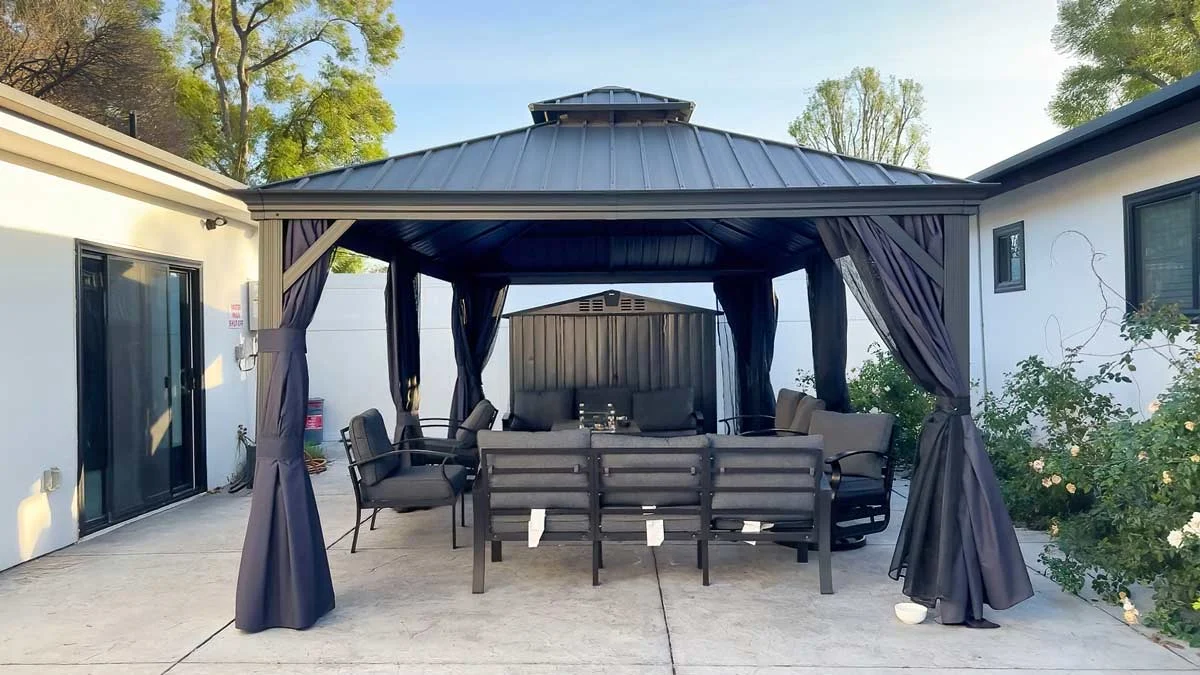
The clearest proof of what we mean by comfort is the home itself: fully remodeled, spacious, spotless, and built for both comfort and community.
The heart of the house, where the group checks in every morning and shares meals prepared daily by our private chef, who accommodates any dietary need.
Boxing equipment, treadmills and bikes, weights, and yoga equipment, plus a basketball court, ping pong, PS5, and outdoor games for the competitive streak.
A green grounding area outdoors, flat-screen TVs with streaming in every room, three kitchens with fully stocked fridges, and plenty of quiet corners to simply sit.
A private, spacious therapy room for one-on-one and family sessions, a medical office on site, clean bathrooms, and two sets of laundry machines.
Every weekend, the home extends into the community: outings chosen with the current group, like the ocean, museums, escape rooms, bowling, and parks. Recovery here is practiced in the real world, not just talked about in a room.
The Valley is home to nearly two million people across communities that Los Angeles County groups into Service Planning Area 2, which includes Burbank, Glendale, San Fernando, Sherman Oaks, Encino, Van Nuys, Studio City, and Canoga Park. The county data covering our region tells a story of genuine progress that is still far from finished. These figures are county-level; we cite them honestly rather than dressing them up as Valley-only numbers.
Accidental drug overdose and poisoning deaths in Los Angeles County fell to 2,298 in 2025, down from 2,438 in 2024 and a peak of 3,220 in 2022, the steepest decline in county history.
Fentanyl was involved in 52 percent of the county’s accidental overdose deaths in 2024, down from 64 percent in 2023, as fentanyl-involved deaths dropped 37 percent in a single year.
Alcohol and drug related emergency department visits in the county reached 153,276 in 2024, an 18 percent increase since 2020, with adults 45 to 64 accounting for the largest share.
Admissions to the county’s publicly funded treatment programs listing alcohol as the primary substance rose 121 percent between fiscal year 2016-17 and 2023-24.
What do falling overdose numbers and rising emergency room visits mean, side by side? That fewer people are dying, and just as many are struggling. If someone in your family is one of them, the window when they are willing to accept help can be short. Same-day admissions exist for exactly that window.

Psychiatry, Addiction Medicine & Sleep Medicine · Reviewed 07-24-2026

From studio crews on the Burbank lots to nurses coming off shifts near Northridge, from CSUN students’ parents to couples who both know it is time, the Valley’s people are who this home was designed for.
One of the few programs anywhere with dedicated couples rehab programming: partners heal together with their own clinical support instead of choosing who goes first.
Keep your phone and laptop, stay connected on your terms, and let our team coordinate the details so 35 days away builds your life back instead of burning it down.
Veterans are welcome here, with trauma-informed programming in development and a community that takes service seriously.
Our home is genuinely pet friendly. If leaving your animal behind is the reason you have waited, bring them.
It depends on your level of care, your length of stay, and above all your insurance. Most Bright Paths clients use PPO plans with out-of-network benefits, which often cover a significant portion of luxury residential treatment. Rather than quoting a number that means nothing without your policy in front of us, we verify your benefits for free, explain your coverage in plain language, and tell you exactly what, if anything, you would owe. No obligation, and no surprises later. Verify your benefits to get your real answer within hours.
In most cases, yes. Substance use disorder treatment is an essential health benefit under federal law, and most PPO plans include out-of-network coverage that applies to a program like ours. We work with most PPO and out-of-network benefits and our admissions team handles the entire verification process for you. We do not accept Medicaid. If your plan will not cover us, we will tell you directly and help you find a path that works.
At Bright Paths, most clients stay 28 to 40 days, with about 35 days typical. Research from the National Institute on Drug Abuse consistently finds that adequate time in treatment is one of the strongest predictors of lasting recovery, and that cutting treatment short is one of the most common reasons it fails (NIDA, Treatment Approaches for Drug Addiction). We would rather be honest: five weeks feels long from the outside. Measured against the years addiction takes, it is the best trade you will ever make.
From the west Valley to the Verdugos, our private home is minutes from wherever you are reading this. You will find us at 10014 Louise Ave in Northridge, on a quiet residential street in the heart of the Valley.
Wherever you are starting from, our admissions team can have you here quickly, often the same day.
Our service area extends to every corner of the San Fernando Valley and beyond into greater Los Angeles.
Bright Paths Recovery works with most PPO and out-of-network benefits, and our admissions team verifies your coverage for you, free and with no obligation. You will know what your plan covers before you make any decision. We do not accept Medicaid.
Intimate, never institutional.
24/7 oversight from day one.
When the window opens, we move.
Weekly check-ins long after you leave.
Our home is at 10014 Louise Ave, Northridge, CA 91325, on a quiet residential street within easy reach of the 101, 405, 118, 170, and 134 freeways. Most Valley families reach us in under 30 minutes, and when you call, our admissions team walks you through directions, arrival, and what to bring.
Cost depends on your level of care, your length of stay, and your insurance benefits. Most of our clients use PPO plans with out-of-network benefits that cover a significant portion of luxury residential treatment. Our admissions team verifies your coverage for you, free and with no obligation, and explains exactly what your plan covers before you commit to anything.
We work with most PPO and out-of-network benefits, and many plans cover a substantial portion of medical detox and residential treatment. We do not accept Medicaid. The fastest way to know what your plan covers is to let our admissions team run a free, confidential verification of benefits.
Most clients stay 28 to 40 days, with about 35 days typical. Your exact length of stay depends on your clinical needs, which we assess with you during detox and throughout residential treatment. Aftercare and our alumni network continue long after you go home.
Yes. Clients keep their phones and laptops at Bright Paths Recovery. We help you set boundaries that protect your treatment, and many of our clients are working professionals who stay appropriately connected to work and family while they focus on getting well.
Yes. When a bed is available and your pre-assessment is complete, you can often admit the same day you call. For families in the San Fernando Valley, that can mean deciding in the morning and settling in by evening. Our admissions team walks you through every step, including travel to our home.
Yes. Family involvement is part of the program. We host therapy with spouses and family members in our on-site therapy room, roughly once or twice a week depending on what you need. Because most Valley families live a short drive away, meaningful weekly involvement is realistic here in a way it rarely is with treatment far from home.
Yes to both. We offer dedicated couples programming so partners can heal together with their own clinical support, and our home is pet friendly. Both are unusual in the Valley, and both exist because removing the reasons people delay treatment is part of how we help them start.
We provide medically supervised detox and residential treatment for alcohol, opioids including fentanyl, methamphetamine, cocaine, benzodiazepines, and other substances, along with dual diagnosis care when a mental health condition such as anxiety or depression co-occurs with substance use.
No. We offer two levels of care, medically supervised detox and residential inpatient treatment, both in our 12-bed home. We do not offer IOP, PHP, or outpatient services. If your assessment suggests outpatient care is the right fit, we will tell you so on the phone and point you in the right direction.
License Number: 191375AP. License Expiration: 07-05-2030.